‘Turned Lord Rama into Salman Khan, Rajinikanth’: Mukesh Khanna on Ranbir Kapoor’s Ramayana
Source Entity
The Indian Express
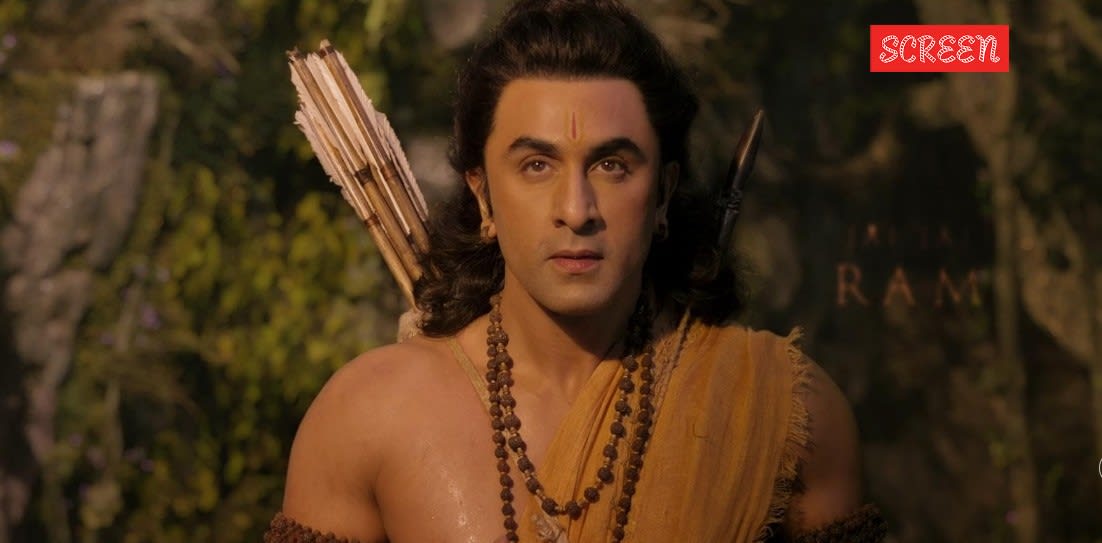
Veteran actor Mukesh Khanna has criticized Nitesh Tiwari’s upcoming Ramayana film, arguing that Ranbir Kapoor’s portrayal of Lord Rama lacks the divine essence of 'Maryada Purushottam.' He specifically took issue with the film's action-heavy depiction and reliance on visual effects, comparing the characterization to modern action stars.
The Debate Over Divine Representation in Cinema
Veteran actor Mukesh Khanna, known for his deep ties to mythological storytelling in Indian television, has ignited a fresh discourse regarding the upcoming cinematic adaptation of the Ramayana directed by Nitesh Tiwari. Khanna’s critique centers on the delicate balance between modern visual spectacle and the traditional, reverent portrayal of Lord Rama. By questioning the film’s stylistic choices, he has highlighted a growing tension in Indian cinema: how to adapt ancient epics for a contemporary, effects-driven audience without diluting the theological and moral weight of the source material.
The 'Action Hero' vs. 'Maryada Purushottam' Conflict
At the heart of Khanna’s critique is the characterization of Ranbir Kapoor as Lord Rama. Khanna argues that the film portrays the deity more as a conventional action hero rather than the Maryada Purushottam (the ideal man who adheres to righteousness). By pointing to specific sequences—such as climbing trees and stylized archery—Khanna suggests that the production has prioritized the tropes of mass-market action films over the dignified, serene, and divine persona traditionally associated with Rama in Indian cultural memory, including historical Ramleela performances.
The Role of Visual Effects in Mythological Narratives
Beyond characterization, Khanna expressed skepticism regarding the film’s reliance on extensive visual effects (VFX). In the modern era of filmmaking, high-budget CGI is often used to create grand, immersive worlds, but Khanna’s concerns suggest that such technology can sometimes alienate viewers if it feels disconnected from the spiritual gravitas of the story. The critique implies that excessive artifice might overshadow the emotional and philosophical depth that audiences expect from a retelling of the Ramayana.
Cultural Expectations and Historical Context
For decades, Indian audiences have consumed various iterations of the Ramayana, ranging from traditional stage plays to iconic television series. These versions have established a baseline for how the character of Lord Rama is perceived by the public. Khanna’s comments reflect a broader anxiety among traditionalists that high-budget Bollywood adaptations may prioritize the 'Salman Khan' or 'Rajinikanth' style of hero-worship over the nuanced, meditative depiction required for a divine figure. This tension highlights the difficulty of satisfying multi-generational audiences who hold deep-seated emotional connections to these narratives.
Future Trends in Indian Mythological Cinema
As the Indian film industry continues to invest heavily in mythological epics, the debate initiated by Khanna serves as a bellwether for future productions. Filmmakers are currently caught in a transition phase where they must prove they can deliver high-quality, globally competitive VFX while simultaneously respecting the cultural and religious sentiments of their domestic audience. The success or failure of the Ramayana will likely depend on whether the creators can bridge the gap between 'action-packed entertainment' and 'spiritual storytelling,' setting a precedent for how future epics are treated in the age of blockbuster cinema.