Adani’s Mumbai airport shift hits turbulence – Air France, Emirates refuse to give in
Source Entity
Ishika Gupta
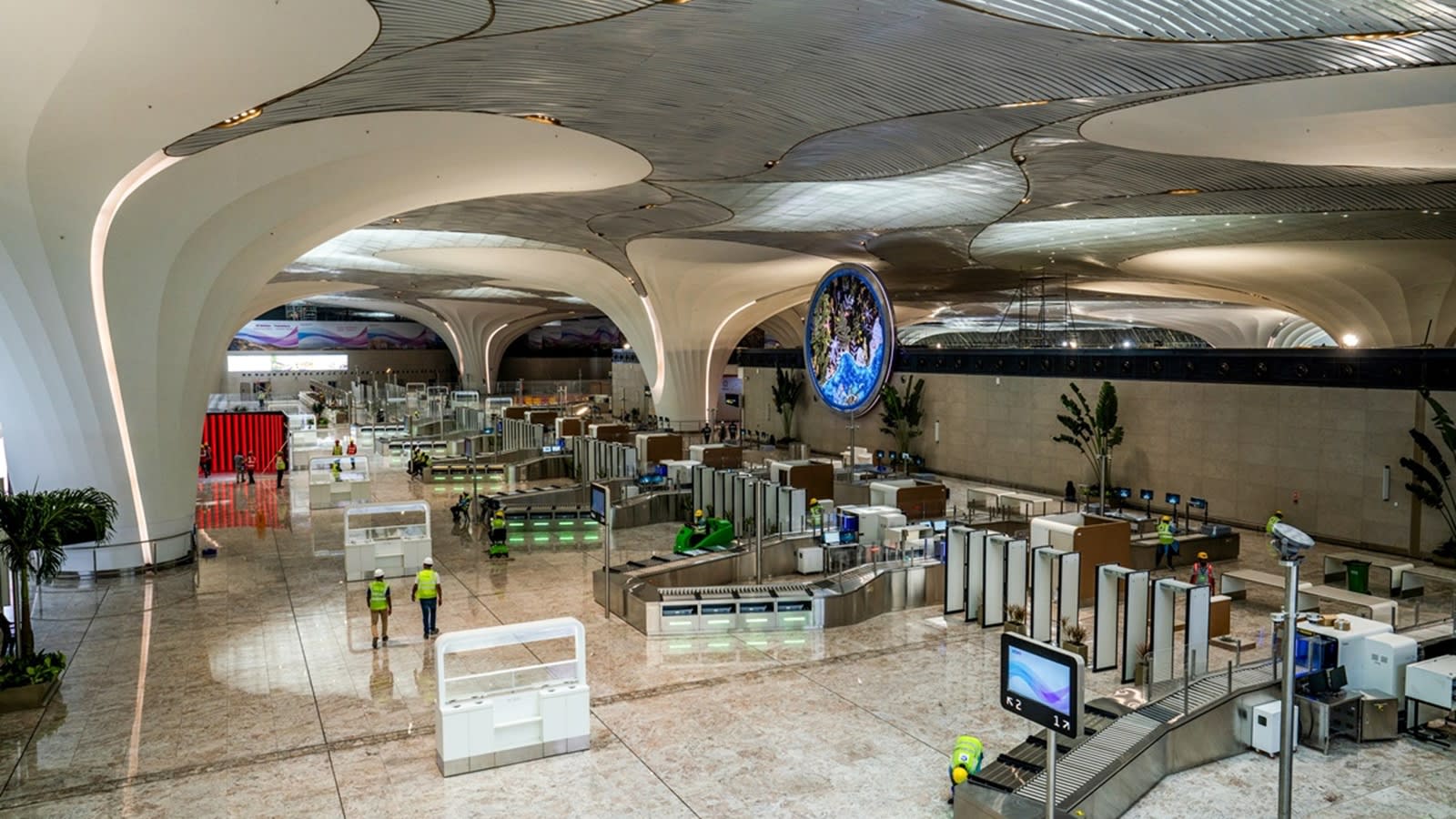
Mumbai International Airport (MIAL) is working to shift international traffic to the upcoming Navi Mumbai International Airport to facilitate Terminal 1 redevelopment. While domestic carriers have agreed to move three million passengers annually, MIAL faces resistance from foreign airlines and ongoing scheduling concerns.
Strategic Shift: The Transition to Navi Mumbai International Airport
The aviation landscape in India's financial capital is undergoing a significant transformation as Mumbai International Airport Limited (MIAL) initiates plans to redistribute traffic. The core objective is to divert international operations—representing five million passengers per annum (MPPA)—to the upcoming Navi Mumbai International Airport (NMIA). This strategic move is necessitated by the urgent requirement to redevelop Terminal 1 (T1) at the existing Chhatrapati Shivaji Maharaj International Airport (CSMIA), which currently manages a substantial load of 55 million passengers annually.
The Operational Balancing Act
MIAL's redevelopment roadmap aims to boost the capacity of CSMIA to 65 MPPA upon completion of T1 and T2 expansions. To achieve this, the operator has requested that airlines finalize plans for a temporary transition of international routes. While Indian carriers—specifically IndiGo, Air India, and Akasa Air—have committed to shifting operations accounting for three million passengers annually starting December 2026, the transition remains a complex logistical puzzle that requires precise coordination between airport authorities and airline operators.
Challenges from Foreign Carriers
Despite the progress with domestic giants, MIAL is encountering significant friction from foreign carriers. Airlines such as Air France and Emirates have reportedly been hesitant to agree to the relocation of their operations from T2 to NMIA. This resistance poses a potential risk to MIAL’s goal of clearing two million additional passengers to meet their target. The reluctance among international players highlights the complexities of airport slot management, connectivity requirements, and the operational preferences of global carriers operating out of high-traffic hubs.
Scheduling and Industry Pushback
The transition process has not been without its procedural hurdles. During recent meetings with the Airline Operators Committee (AOC), airlines explicitly requested more time to submit their transition plans, pushing back against the November 3 deadline set by MIAL. Industry stakeholders have expressed concerns regarding the timeline, with some indicating that a move should not be executed before the winter 2027 schedule. These entities cite the critical need for long-term advance planning to avoid disruption to passenger experience and operational continuity.
Future Implications and Outlook
The successful integration of NMIA into the Mumbai metropolitan aviation network is vital for the long-term growth of India's civil aviation sector. By offloading a portion of the international traffic to the new airport, MIAL hopes to alleviate the heavy congestion at CSMIA, effectively creating a dual-airport system similar to global hubs in London or Tokyo. However, the path forward depends on the successful negotiation between MIAL and the international carriers, ensuring that the shift does not result in a net loss of efficiency or connectivity for passengers traveling through the region.