Mumbai CNG to cost Rs 90 per kg from November 1 after Re 1 hike
Source Entity
Ishika Gupta
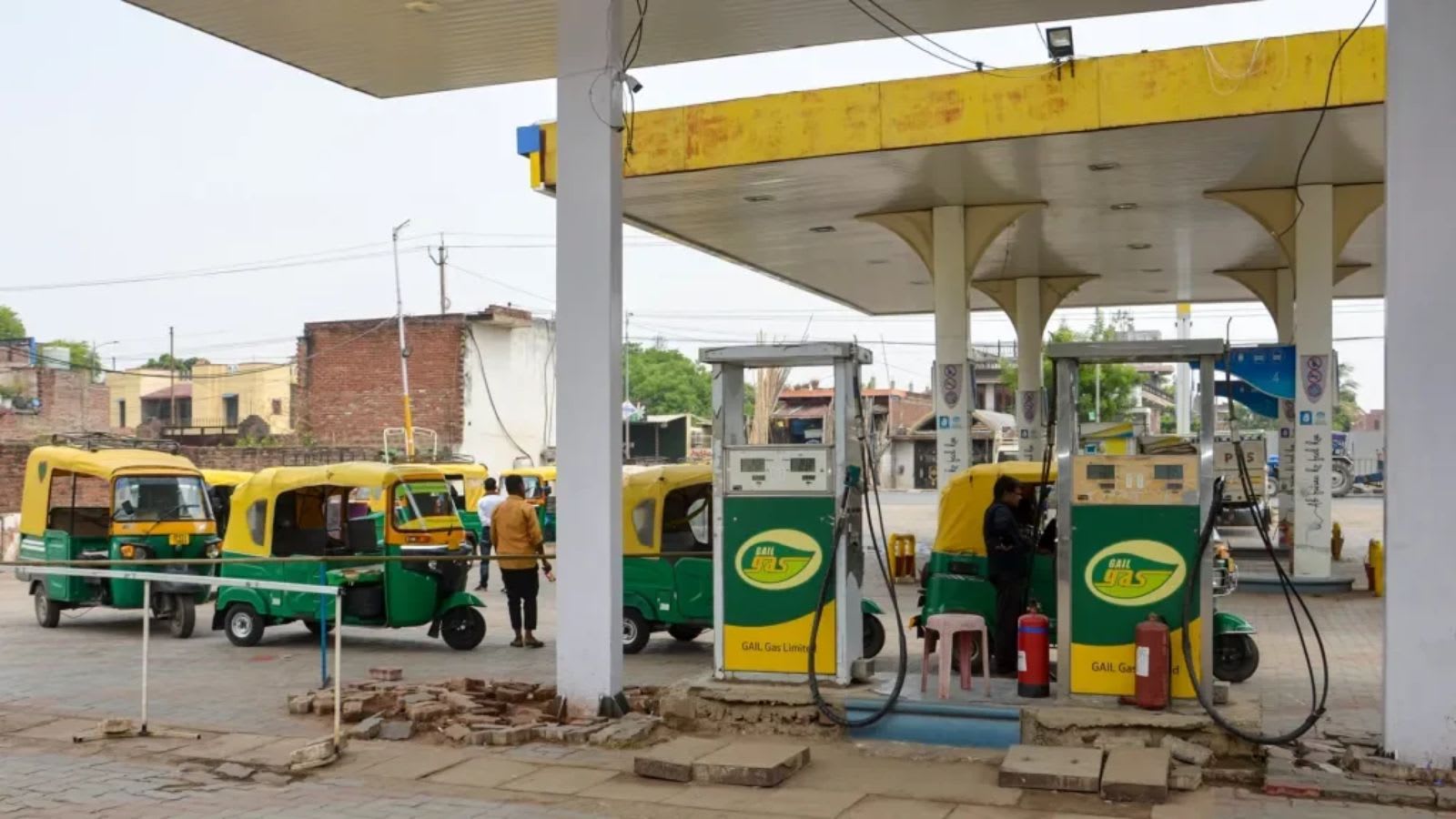
Mahanagar Gas Limited has increased Mumbai's CNG price to Rs 90 per kg starting November 1. This Re 1 hike is driven by rising procurement costs linked to the ongoing conflict in West Asia.
Impact of Geopolitical Instability on Mumbai's CNG Pricing
Starting November 1, commuters and commercial vehicle operators in Mumbai will face a price hike as Mahanagar Gas Limited (MGL) has increased the cost of Compressed Natural Gas (CNG) by Re 1 per kg, bringing the retail price to Rs 90 per kg. This adjustment marks the second such increase within a two-month timeframe, signaling a period of sustained volatility for urban transportation costs in India's financial capital.
The Geopolitical Trigger
The primary driver behind this price escalation is the escalating conflict involving the United States, Israel, and Iran. As a major energy-importing nation, India remains highly susceptible to global supply chain disruptions. The instability in West Asia has directly impacted global oil and gas markets, leading to a tightening of supply routes and a subsequent surge in the cost of energy commodities that are vital to India’s domestic energy basket.
Supply Chain Constraints and Benchmarking
According to the official statement from MGL, the company is grappling with a steep rise in input costs. The pricing structure for CNG in India is inextricably linked to international benchmarks for domestically produced gas and imported Regasified Liquefied Natural Gas (RLNG). When these global benchmarks rise due to regional conflicts, local entities like MGL are compelled to pass the increased procurement costs down to the end consumer to maintain operational viability.
Broader Implications for Urban Mobility
For the city of Mumbai, where a significant portion of public transport, including the iconic 'Kaali-Peeli' taxis and auto-rickshaws, relies on CNG, these consecutive price hikes pose a significant economic challenge. Increased fuel costs often lead to a ripple effect, potentially forcing a reevaluation of fare structures and placing an additional financial burden on the daily commuter who relies on affordable public and semi-public transport.
Future Trends and Energy Security
This event highlights the precarious nature of India’s energy transition. While CNG is promoted as a cleaner alternative to petrol and diesel, its price sensitivity to global geopolitical events underscores the need for a more diversified and localized energy strategy. As long as India remains dependent on global gas markets that are vulnerable to Middle Eastern conflicts, consumers should anticipate continued volatility in fuel pricing.
Conclusion
The Re 1 hike to Rs 90 per kg is a direct consequence of global instability manifesting at the local pump. As MGL continues to navigate the complexities of international gas procurement, the situation serves as a stark reminder of how interconnected local living costs are to global geopolitical developments. Moving forward, stakeholders will be watching closely to see if international tensions stabilize or if further price adjustments become necessary to offset the rising cost of energy imports.