Mumbai only Indian city in global Work From Anywhere Index, ahead of London, Miami
Source Entity
SHIVANGHI PAYAL
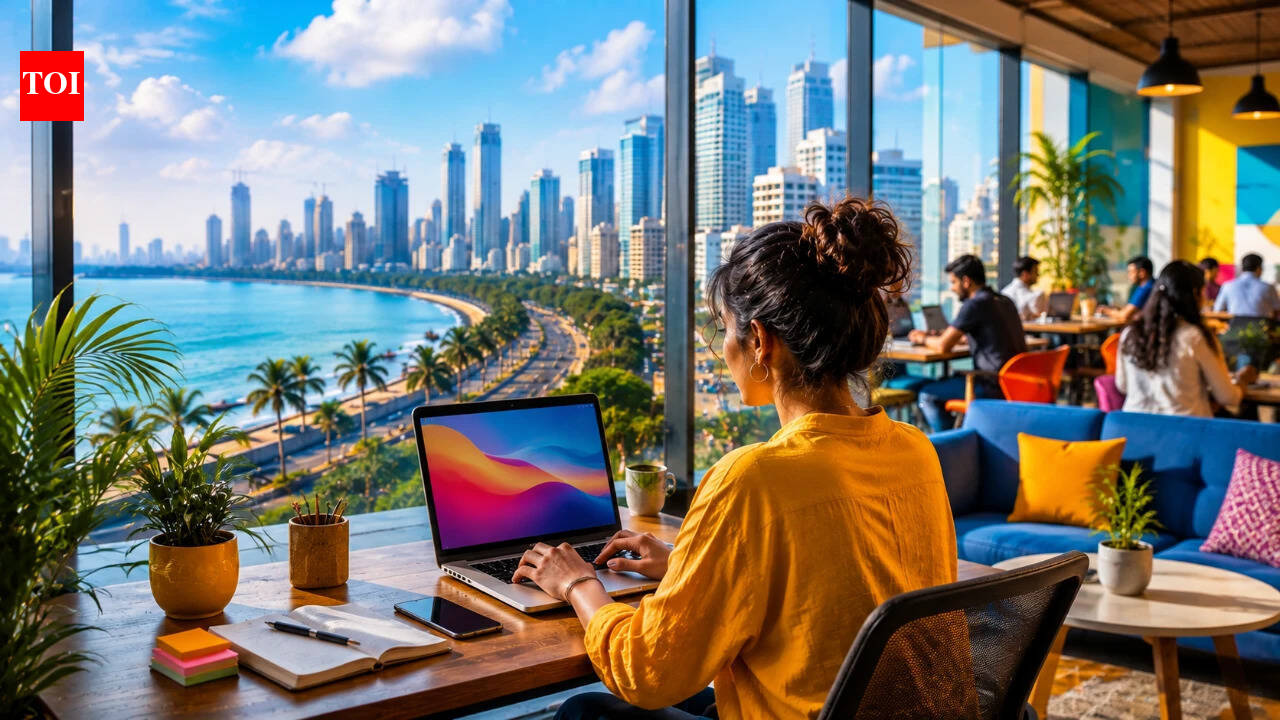
Mumbai has secured a spot in the 2026 Work From Anywhere Index, outperforming major global hubs like London and Miami. The city's rise is driven by affordable transport and a thriving flexible workspace ecosystem.
Mumbai's Ascent as a Premier Remote Work Hub
Mumbai, the financial heartbeat of India, has officially secured its position on the global map for remote professionals. According to the 2026 Work From Anywhere Index by IWG, Mumbai is the only Indian city to feature in the rankings, boasting an impressive score of 77. This placement sees the city outperforming established international hubs such as London and Miami, signaling a paradigm shift in how global talent perceives India’s commercial capital.
The Metrics Behind the Ranking
The IWG index does not merely measure tourist appeal; it conducts a rigorous assessment of a city's suitability as a temporary professional base. Factors such as broadband reliability, climate, availability of high-quality flexible workspaces, and the cost of transport are critical to the evaluation. Mumbai’s high score is a testament to its rapidly evolving infrastructure, which now seamlessly blends the demands of a high-paced corporate environment with the necessary digital connectivity required for remote operations.
Economic Drivers and Flexible Workspaces
A primary catalyst for Mumbai's high standing is its expansive and competitive flexible workspace market. As India experiences a surge in demand for hybrid work models, the city has responded by densifying its network of co-working spaces. This infrastructure allows professionals to maintain productivity without the constraints of a traditional office, while simultaneously benefiting from the city's robust transport network, which remains one of the most cost-effective in the world.
The Integration of Travel and Labor
The phenomenon of 'workcations'—where professionals integrate travel with their job responsibilities—has fundamentally altered the tourism landscape. Mumbai’s emergence as a remote work destination reflects this trend, as workers are increasingly choosing locations that offer a blend of cultural depth and professional utility. By providing an environment where one can engage in 'dream-city' leisure activities while fulfilling professional obligations, Mumbai has successfully captured the attention of the global 'digital nomad' demographic.
Broader Implications and Future Trends
Mumbai’s inclusion in this index marks a significant milestone for Indian urban centers. It suggests that the city is successfully pivoting from a traditional industrial and financial hub to a versatile destination capable of sustaining the modern, mobile workforce. As 'Work From Anywhere' (WFA) policies become more institutionalized globally, we can expect to see increased investment in local amenities and digital infrastructure to maintain this competitive edge.
Conclusion
Ultimately, Mumbai’s debut in the 2026 Index highlights its maturity as a global city. By balancing its rich cultural heritage with the logistical requirements of the modern workforce, it has carved out a unique niche. This trend points toward a future where the quality of a city’s 'remote-readiness' will be just as important as its traditional economic indicators in attracting global talent and investment.