The Treasury’s recent moves in the bond and currency markets add up to ‘soft-form financial repression’ to lower debt costs, economist warns
Source Entity
Yahoo Finance
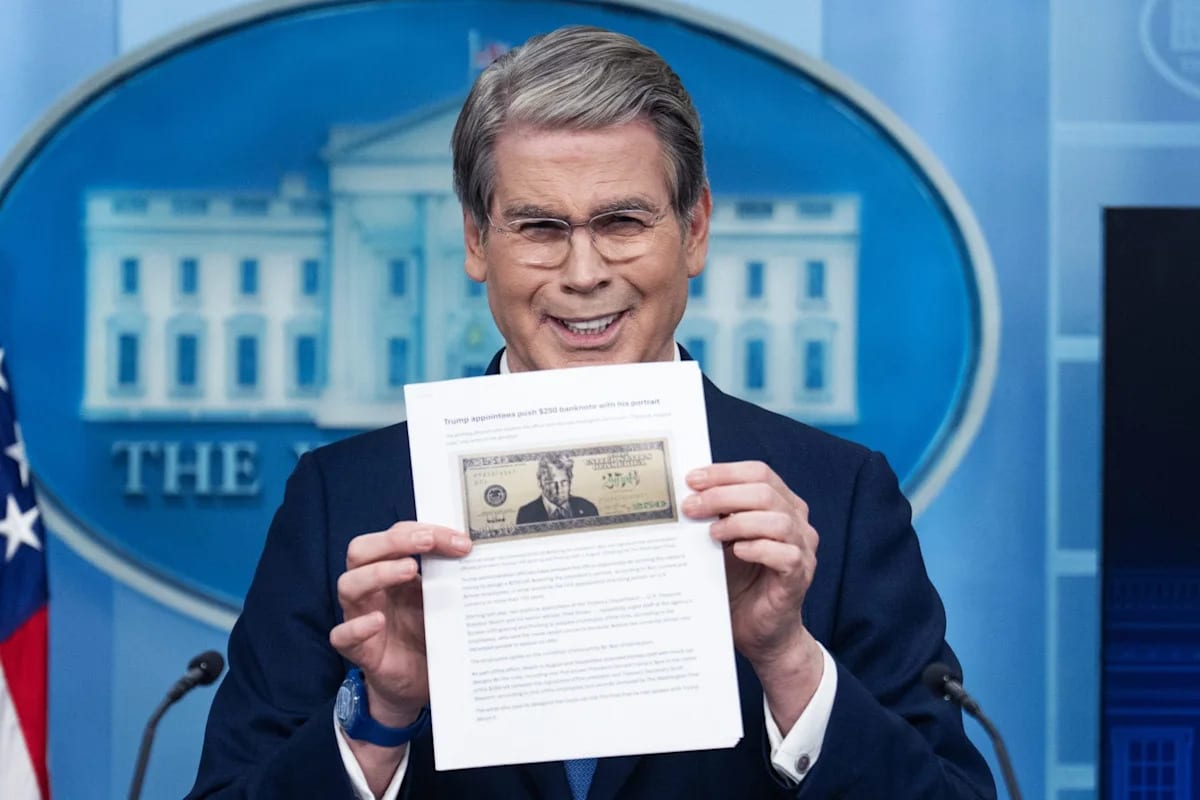
The U.S. Treasury is utilizing buybacks and TGA funds to manage rising bond yields as national debt reaches $40 trillion. Market observers warn these interventions signal 'soft-form financial repression,' prompting investors to pivot toward gold and crypto as hedges.
The Strategic Shift in U.S. Treasury Policy
As the U.S. national debt burden crosses the significant $40 trillion threshold, the Treasury Department has moved to implement aggressive measures to stabilize the bond market. Recent interventions, spearheaded by Treasury Secretary Scott Bessent, have seen a pivot toward increased buybacks of long-term government bonds. This strategy, aimed at curbing 30-year yields that recently touched 20-year highs, is increasingly being characterized by economists as a form of 'soft-form financial repression'—a policy environment where the government seeks to artificially lower debt servicing costs.
The Mechanics of Market Intervention
The Treasury has announced plans to double the size of its off-the-run securities buybacks from $2 billion to at least $4 billion, with the potential for further expansion. Crucially, internal sources suggest that the Treasury may leverage its near $1 trillion Treasury General Account (TGA) to fund these operations. By utilizing existing cash reserves rather than relying solely on the issuance of new short-term bills, the Treasury aims to exert significant influence over long-term yields without exacerbating the supply-side pressure that typically drives interest rates higher.
Global Coordination and Currency Manipulation
The scope of these interventions extends beyond domestic bond markets. Recent joint actions between the U.S. and Japan to bolster the yen represent a rare shift in international monetary cooperation. Notably, the U.S. managed this intervention by selling euros rather than Treasury securities. This tactical choice was designed to avoid liquidating dollar-denominated assets, which would have inadvertently pushed Treasury yields upward. This highlights a delicate balancing act: attempting to manage currency fluctuations while simultaneously trying to cap long-term borrowing costs.
The Return of the 'Debasement Trade'
Market participants have reacted to these maneuvers by reviving the 'debasement trade.' As concerns mount regarding the sustainability of the ballooning budget deficit, investors are increasingly skeptical of traditional fiat-linked assets. This sentiment has fueled a resurgence in demand for 'hard assets' such as gold and cryptocurrencies. The logic is clear: if the Treasury is perceived to be managing the debt through mechanisms that dilute the underlying value of the currency, investors seek hedges that exist outside the traditional sovereign debt ecosystem.
Broader Implications and Future Trends
The current trajectory suggests a move away from addressing the fundamental causes of the deficit—namely, the structural imbalance between government spending and revenue—and toward managing the symptoms through market manipulation. If the Treasury continues to use the TGA as a primary tool for yield curve control, it may create a temporary sense of stability. However, the long-term risk remains that such interventions could distort market signals, potentially leading to increased volatility if investors lose confidence in the Treasury’s ability to maintain the value of the dollar while servicing a $40 trillion debt load.
Conclusion
The actions taken by Secretary Bessent and the Treasury represent a pivotal moment in U.S. fiscal management. While these buybacks provide a necessary buffer against rising yields, they also signal a preference for interventionist policies over fiscal austerity. As the market continues to parse these developments, the interplay between government debt management and the 'debasement trade' will likely remain a defining feature of the financial landscape for the foreseeable future.