Two months, 3% of shops inspected: Why Mumbai’s Marathi signboard drive has stalled
Source Entity
Pratip Acharya
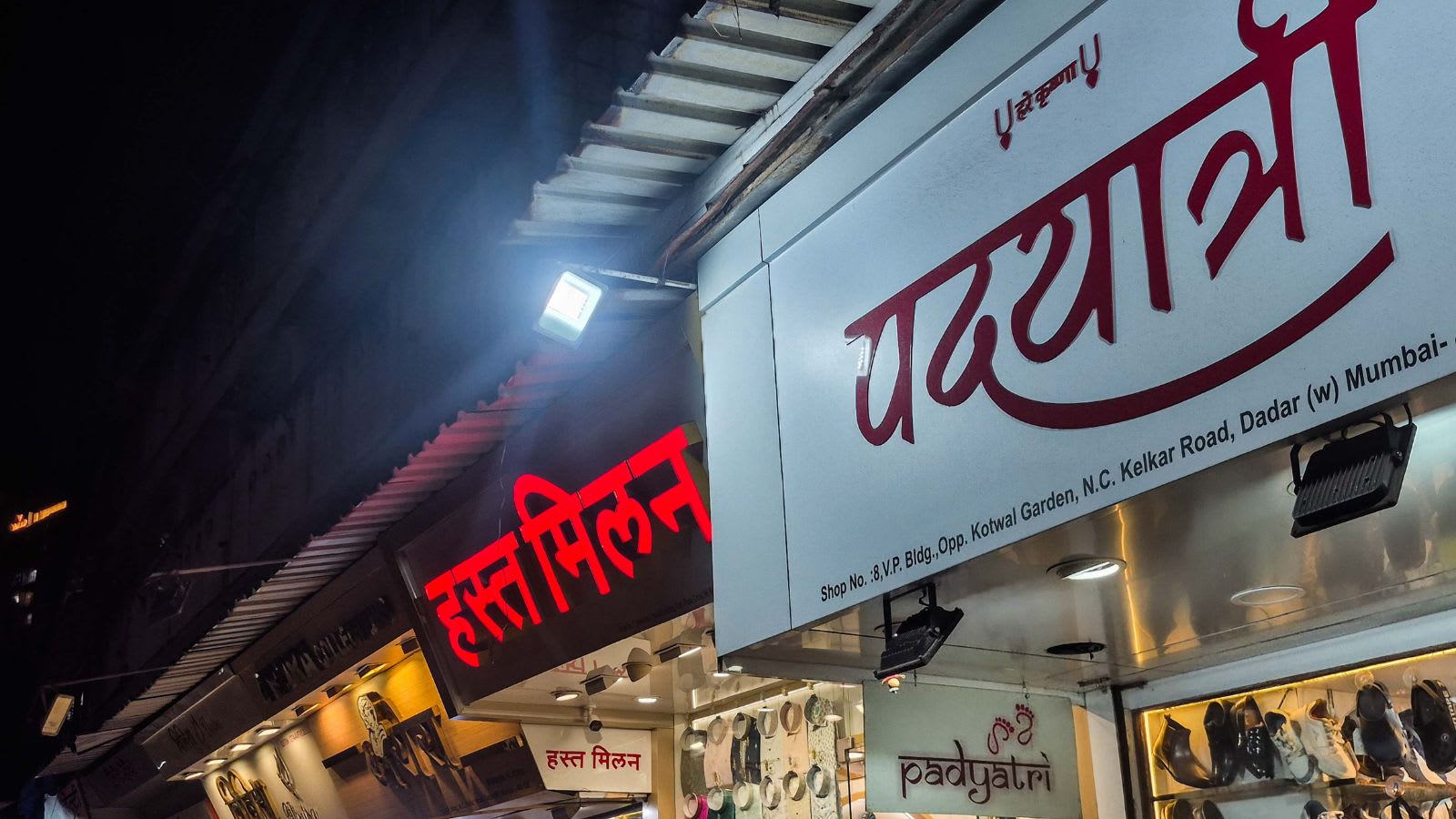
The BMC's campaign to enforce Marathi signage in Mumbai shops has stalled, with only 3% of establishments inspected in two months. Staff shortages and administrative duties like Census and electoral roll revisions have significantly hindered the drive.
The Stalled Mandate: Analyzing Mumbai's Marathi Signboard Drive
The Current Landscape of Enforcement
Two months have passed since the Brihanmumbai Municipal Corporation (BMC) initiated a rigorous enforcement drive aimed at ensuring all commercial establishments in Mumbai display their business names in the Marathi script. Despite the clear mandate, civic records paint a picture of limited progress, revealing that only 3% of the city’s vast network of shops and establishments have undergone formal inspection. This sluggish pace of implementation highlights a significant gap between legislative intent and administrative execution, raising questions about the logistical capacity of the local municipal body to enforce such city-wide cultural and legal directives.
Statistical Breakdown of Compliance
According to the data submitted to the BMC’s Law Committee, the scale of the task is substantial. Within the two-month timeframe, officials covered 36,773 establishments. Among these, 1,124 were flagged for non-compliance, resulting in an identified violation rate of approximately 3%. While this percentage might appear relatively low at first glance, the sheer volume of shops in Mumbai suggests that the total number of non-compliant entities across the city could be staggering once the remaining 97% of establishments are eventually surveyed.
Administrative Bottlenecks and Resource Allocation
The primary drivers behind this stagnation are not necessarily rooted in merchant defiance, but rather in the internal limitations of the BMC. The report explicitly identifies acute staff shortages as a major impediment. Furthermore, the diversion of civic personnel toward critical national and local administrative tasks—specifically the Census and the Special Intensive Revision (SIR) of electoral rolls—has effectively sidelined the enforcement drive. This competition for human resources underscores how municipal priorities are often forced to shift when faced with the demands of large-scale electoral and demographic exercises.
Historical Context and Cultural Significance
The push for Marathi signage in Mumbai is deeply rooted in the city's long-standing socio-political discourse regarding language and regional identity. For decades, the demand for businesses to adopt the Marathi script has been a recurring theme in Mumbai’s political landscape, intended to preserve the linguistic heritage of the state of Maharashtra. By mandating these signboards, the BMC seeks to formalize this cultural alignment within the commercial sector, viewing it as a necessary step in maintaining the city's unique socio-cultural character.
Future Trends and Implications
Looking ahead, the BMC faces a clear challenge: how to reconcile its ambitious enforcement goals with its constrained workforce. If the current rate of inspection continues, the drive will likely take several years to reach completion. The city must now decide whether to scale up its enforcement teams, extend deadlines, or adopt a more technology-driven approach to monitoring compliance. The resolution of this issue will not only impact local business owners but will also serve as a test case for the BMC’s ability to successfully execute localized mandates while balancing heavy administrative burdens.