Amid UDF differences, Muneer says he does not run after positions
Source Entity
India Latest News: Top National Headlines Today & Breaking News | The Hindu
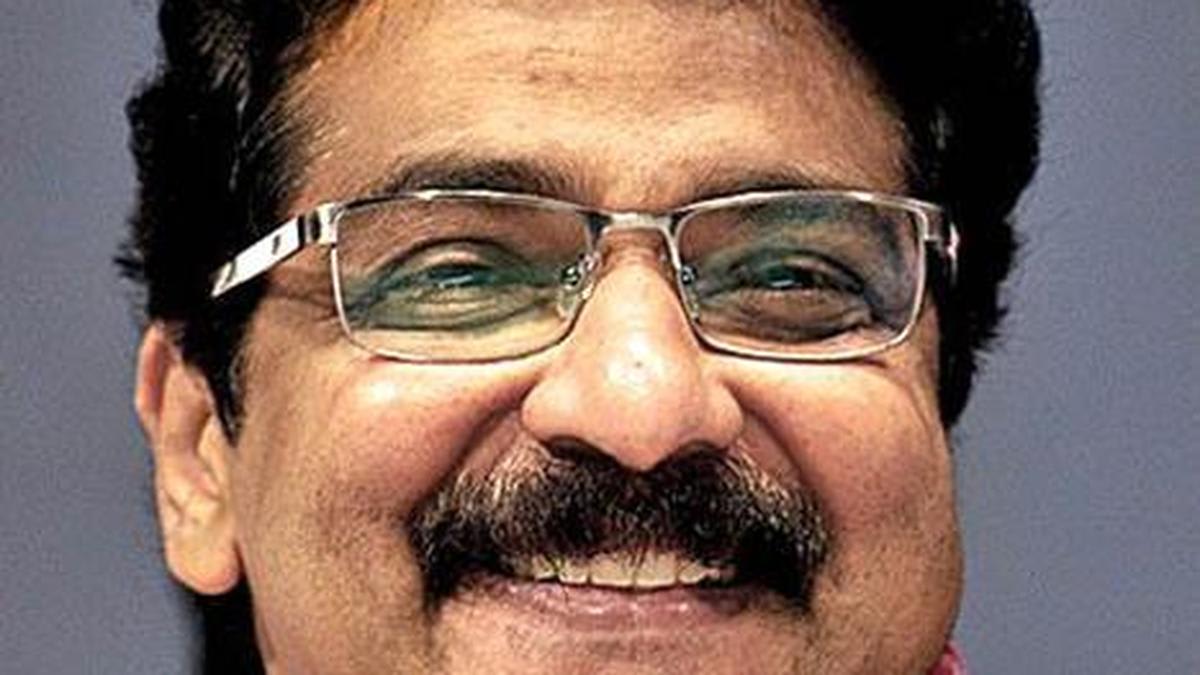
IUML leader M.K. Muneer has distanced himself from his recent appointment as chairperson of the State Administrative Reforms Commission. The decision has sparked internal friction within the UDF coalition.
Internal Dissent Within the UDF
The recent decision by the Kerala State Cabinet to appoint Indian Union Muslim League (IUML) leader M.K. Muneer as the chairperson of the State Administrative Reforms Commission has triggered a wave of political discourse. This development follows a Cabinet meeting that also designated Forward Bloc leader G. Devarajan as the state government’s representative in New Delhi. These appointments have inadvertently highlighted the delicate nature of coalition management within the Congress-led United Democratic Front (UDF).
Muneer’s Stance on the Appointment
In response to the growing speculation, M.K. Muneer addressed the media in Kozhikode, clarifying that he was not personally involved in seeking these roles. He explicitly stated that he was unaware of the official appointment and had not received formal notification from the government. By asserting that he is not an individual who "runs after positions," Muneer appears to be attempting to insulate himself from the political backlash and internal friction caused by these high-level administrative designations.
The Impact of Cabinet Decisions
Administrative reforms commissions often serve as critical bodies for streamlining state governance. However, when appointments to such commissions are perceived as political maneuvering rather than merit-based selections, they frequently become lightning rods for controversy. The public nature of the disagreement suggests that the UDF leadership may not have adequately coordinated these appointments with all stakeholders, leading to the current public airing of grievances.
Implications for Coalition Stability
The UDF, as a coalition, relies heavily on the consensus-building process between diverse political entities. When leaders like Muneer publicly express detachment from government decisions, it signals a potential breakdown in communication or a deliberate attempt to distance oneself from contentious policies. This dynamic creates uncertainty regarding the unity of the front and raises questions about how the government intends to bridge these internal divides moving forward.
Future Trajectory of the Controversy
As the situation unfolds, the focus will likely remain on whether the government proceeds with the formal appointment process or chooses to re-evaluate the selection in light of the stated opposition. The tension surrounding the roles of both Muneer and Devarajan suggests that the UDF will need to engage in significant internal diplomacy to resolve these differences. Failure to address these underlying concerns could lead to further instability within the coalition’s administrative agenda.
Verification Required?