Trump may pardon administration officials before leaving office: What did he say?
Source Entity
Latest News: Todays Latest News Headlines from India & World | Hindustan Times | Hindustan Times
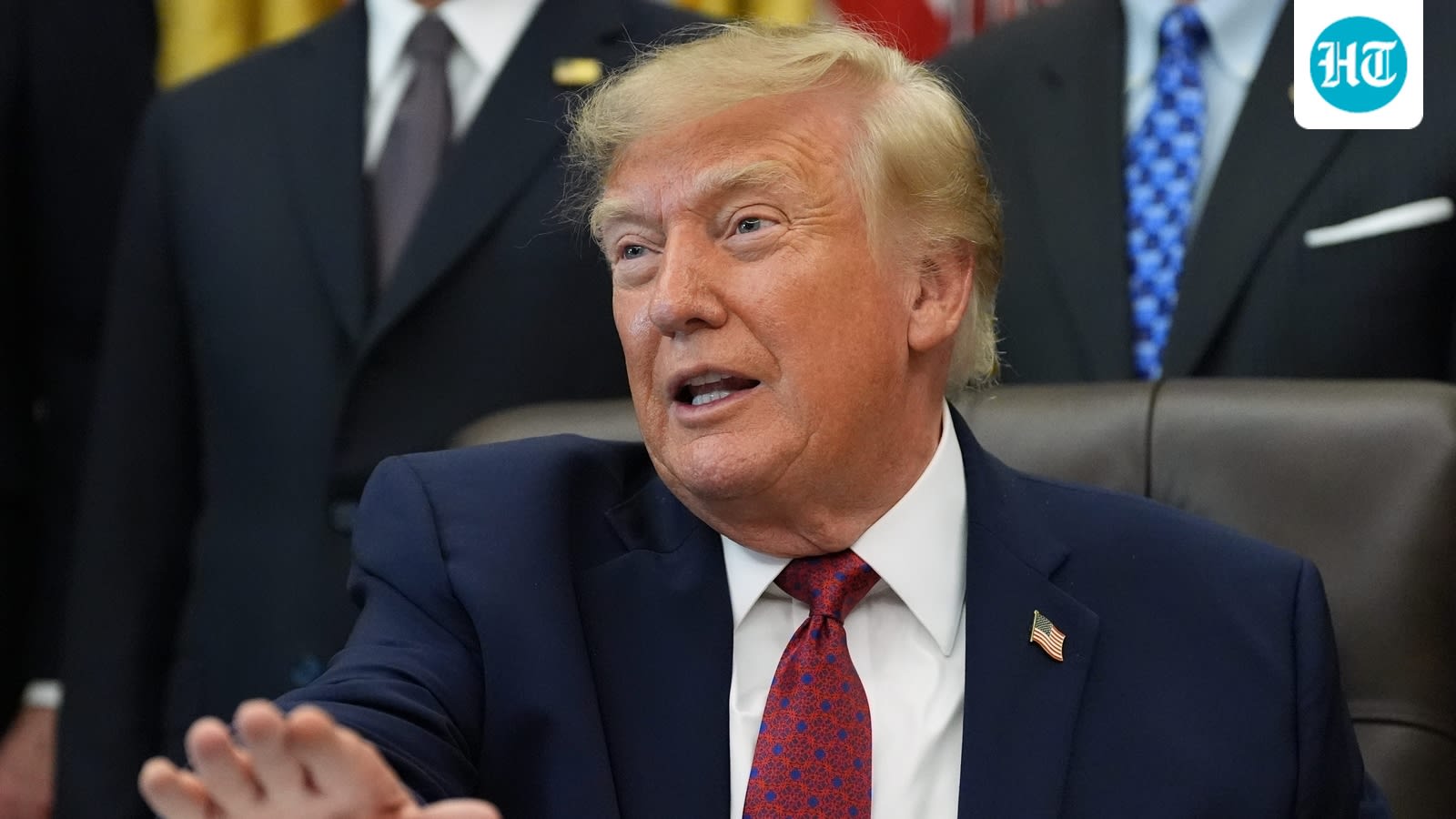
President Donald Trump has indicated he may grant pardons to administration officials before his term ends. He justifies this potential move by comparing it to President Joe Biden's own pardons issued in January 2025.
Presidential Pardons: Navigating the End of the Trump Administration
As the final days of the current administration approach, President Donald Trump has publicly signaled a willingness to issue preemptive pardons to members of his staff and administration officials. This development, discussed during a recent interview with TIME magazine, highlights a strategic pivot in how the executive branch manages legal exposure for its appointees as the political landscape shifts toward potential future transitions.
The Justification: Precedent and Protection
Central to Trump's rationale is the comparison to the actions taken by his predecessor, Joe Biden. By pointing specifically to the pardons issued by Joe Biden in January 2025, the President is framing his potential actions not as an outlier, but as a continuation of established executive practice. This comparative rhetoric serves as a political shield, suggesting that if such measures were acceptable for the previous administration, they are equally legitimate for his own.
Fear of Political Retribution
The impetus behind these potential pardons appears to be a defensive posture against future legal scrutiny. When questioned about the prospect of Democrats regaining power and launching investigations into his administration, Trump’s openness to pardons suggests a proactive attempt to insulate his staff from what he perceives as politically motivated legal challenges. This reflects a broader trend in American politics where the use of the pardon power is increasingly viewed through the lens of partisan protection.
Constitutional Power and Executive Discretion
Under Article II of the U.S. Constitution, the President possesses broad authority to grant reprieves and pardons for offenses against the United States. While this power is virtually absolute, its use in the final days of an administration often invites intense scrutiny from legal scholars and the public alike. The debate centers on whether such actions serve the interest of justice or merely function as a safeguard for political allies.
Historical Context and Future Implications
The use of the pardon power during transition periods is a recurring theme in U.S. history, though the scale and intent vary by administration. By signaling his intentions early, Trump is setting a precedent that prioritizes the protection of his inner circle from potential post-term investigations. This move underscores the high-stakes environment of modern Washington, where legal investigations have become a standard feature of the transition between opposing parties.
Concluding Perspectives
Ultimately, whether these pardons are executed remains to be seen, but the public discourse surrounding them underscores the deep polarization defining the current political era. As the administration prepares for its conclusion, the focus on executive immunity and the shielding of officials illustrates the ongoing tension between political survival and the standard application of federal oversight.
Verification Required?