With help from data, art museums are reframing the visitor experience
Source Entity
Mureji Fatunde-Iloeje
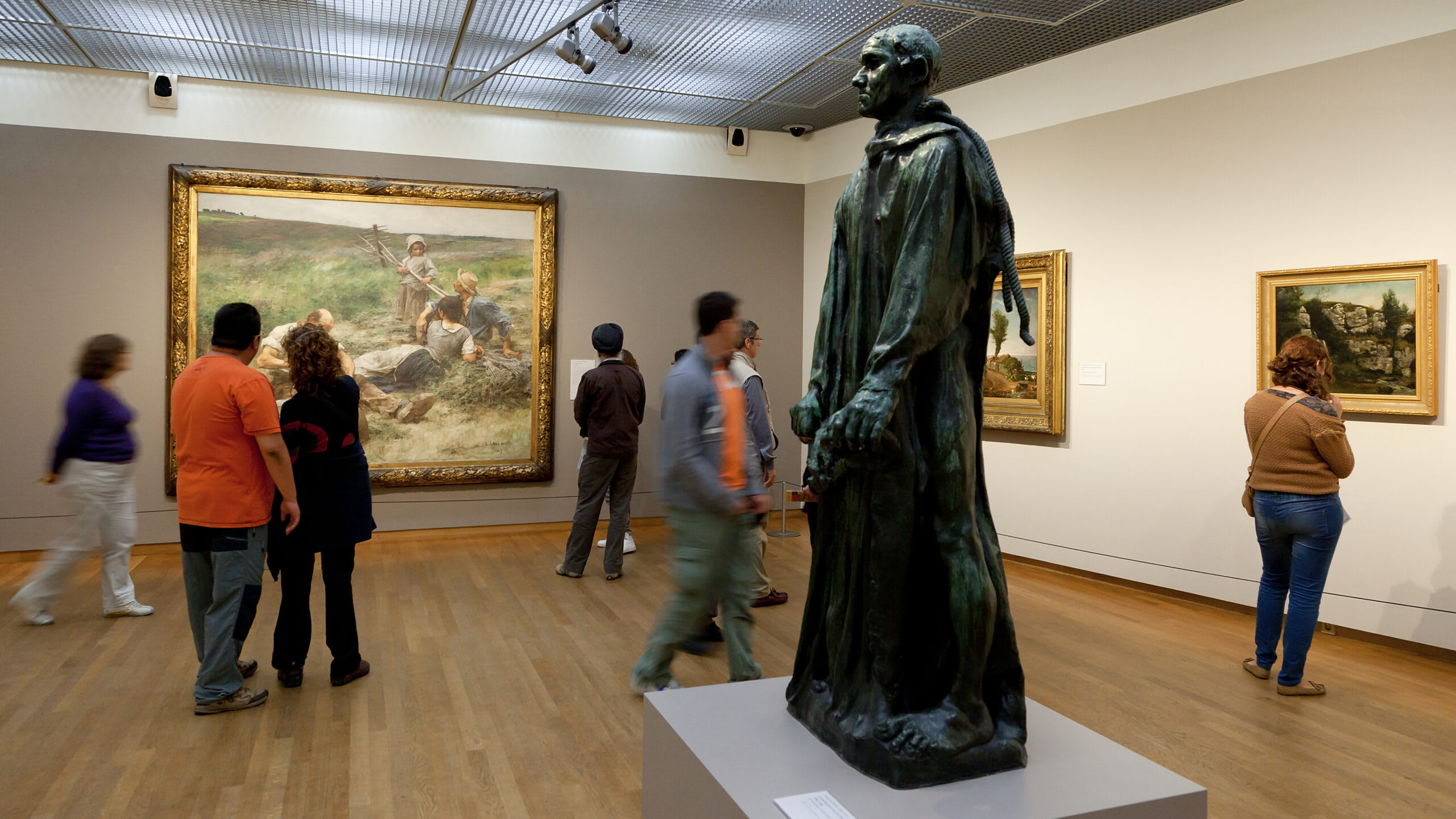
Art museums are increasingly adopting data-driven curation strategies to modernize the visitor experience. By leveraging digital insights, institutions aim to bridge the gap between traditional art consumption and the preferences of younger, tech-savvy audiences.
The Digital Transformation of Art Curation
Art museums are undergoing a fundamental shift in how they curate and present collections, moving from traditional, static displays toward a more dynamic, data-informed model. As institutions face a changing technological landscape, they are increasingly utilizing digital tools to understand visitor behavior and preferences. This evolution represents a departure from the historical model of the museum as a passive repository, repositioning it as an interactive space that responds to the specific interests of its audience.
The Role of Social Media in Artistic Discovery
Modern visitors, such as Giovanni Kanter, are increasingly relying on social media algorithms to navigate the art world. By curating their feeds to highlight specific genres—like Kanter’s current interest in surrealism—individuals are essentially performing their own micro-curation. Museums that effectively tap into these digital behaviors can better align their exhibition schedules and promotional efforts with the aesthetic preferences of their target demographics, effectively meeting the visitor where they already exist digitally.
Generational Shifts and Exposure-Oriented Education
While individuals raised in art-centric environments, like Kanter, benefit from an 'exposure-oriented education,' many potential visitors lack this early immersion. The reliance on word-of-mouth discovery creates a barrier for those without familial ties to the arts. By integrating data analytics into their outreach strategies, museums can identify these gaps and create targeted programs that lower the barrier to entry, making art accessible to a broader, more diverse audience beyond the traditional gallery-going crowd.
Bridging the Gap Between Tradition and Tech
The integration of technology into the museum experience does not necessarily diminish the value of physical art; rather, it enhances the discoverability of these works. Data-driven curation allows museums to analyze which pieces resonate with visitors and why, enabling them to create more compelling narratives around their collections. This synthesis of historical preservation and modern analytical technology is essential for the longevity of the museum sector in a fast-paced digital economy.
Future Trends in Museum Curation
Looking ahead, the successful museum of the future will likely be one that masters the balance between expert curatorial vision and data-informed audience insights. By predicting trends based on social media engagement and digital consumption patterns, museums can adapt their programming in real-time. This proactive approach will be vital for sustaining institutional relevance, ensuring that museums remain vibrant centers of culture rather than becoming static relics of the past.