Musk ordered Starlink slowdown, kept Ukraine and Trump administration in dark
Source Entity
RAJEEV SINGH
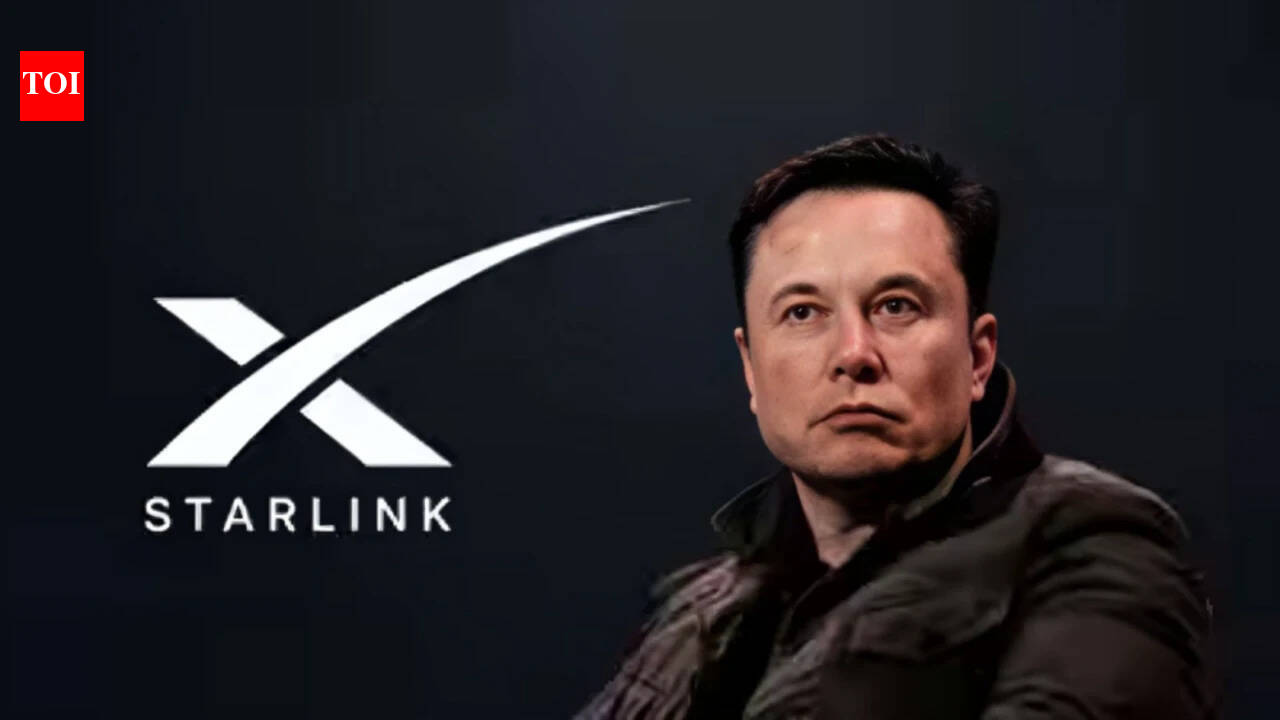
Reports suggest Elon Musk's SpaceX restricted Starlink/Starshield services in Ukraine, impacting military drone operations. While US officials deny ordering these limitations, the involvement of private sector control over battlefield communications raises significant geopolitical concerns.
The Geopolitical Intersection of Private Space and Conflict
The recent reports concerning SpaceX’s Starshield—a defense-oriented iteration of the Starlink satellite internet constellation—highlight a precarious new reality in modern warfare. As Ukrainian forces continue their defensive operations, the reported throttling of satellite connectivity has led to significant operational setbacks, including the loss of an estimated $1 million in drone assets. This situation underscores the immense power held by private entities in determining the success or failure of sovereign military efforts.
The Mechanics of Starshield and Battlefield Connectivity
Starshield represents a specialized adaptation of Starlink, designed to provide enhanced security and data capabilities for governmental and military use. In the context of the ongoing conflict, this technology has become the backbone of Ukrainian communication, reconnaissance, and strike coordination. When connectivity is restricted—whether through technical throttling or service geofencing—the impact is immediate. Ukrainian troops, heavily reliant on real-time data feeds for drone deployment, have struggled to adapt, turning high-tech assets into ineffective hardware when the network signal fails.
Accountability in the Private Sector
A significant point of contention lies in the lack of transparency regarding these service disruptions. While reports allege that Elon Musk ordered a slowdown of Starlink services in Ukraine—potentially following discussions with Donald Trump—official US channels remain dismissive of these claims. Defense Secretary Pete Hegseth and Secretary of State Marco Rubio have explicitly denied that the US government instructed SpaceX to limit service. This creates a volatile scenario where the private sector appears to be operating with a degree of autonomy that can bypass the strategic directives of state-level foreign policy.
The Shadow of International Diplomacy
The reported proximity between Elon Musk and Donald Trump adds a layer of political complexity to these technical disruptions. If decisions regarding the availability of critical military infrastructure are being influenced by private political dialogues rather than established defense protocols, it risks undermining the stability of international alliances. The potential for such influence to alter the trajectory of the war in Ukraine suggests that the lines between corporate interests, private political agendas, and state-sanctioned military support have become dangerously blurred.
Future Implications for Warfare
The reliance on a single private provider for essential battlefield infrastructure creates a 'single point of failure' that adversaries can exploit. Moving forward, nations are likely to reconsider their dependency on commercial satellite constellations for national security. The precedent set by this situation may force a paradigm shift, where sovereign militaries prioritize the development of redundant, state-owned, or multi-vendor satellite networks to ensure that their defensive capabilities remain immune to the shifting whims of private corporate leadership.
Conclusion: A New Era of Satellite Sovereignty
In summary, the controversy surrounding Starshield serves as a stark reminder of the risks associated with privatizing critical military infrastructure. While SpaceX has provided an invaluable service to Ukraine, the ability to unilaterally restrict that service introduces a level of uncertainty that no military can afford. As the conflict continues, the international community will likely scrutinize the governance of satellite networks, seeking to ensure that access to vital communication tools is dictated by strategic necessity rather than private discretion.