Musk and Zuckerberg echo Trump's push to rebrand AI as 'super intelligence' on earnings calls. Others did not
Source Entity
US Top News and Analysis
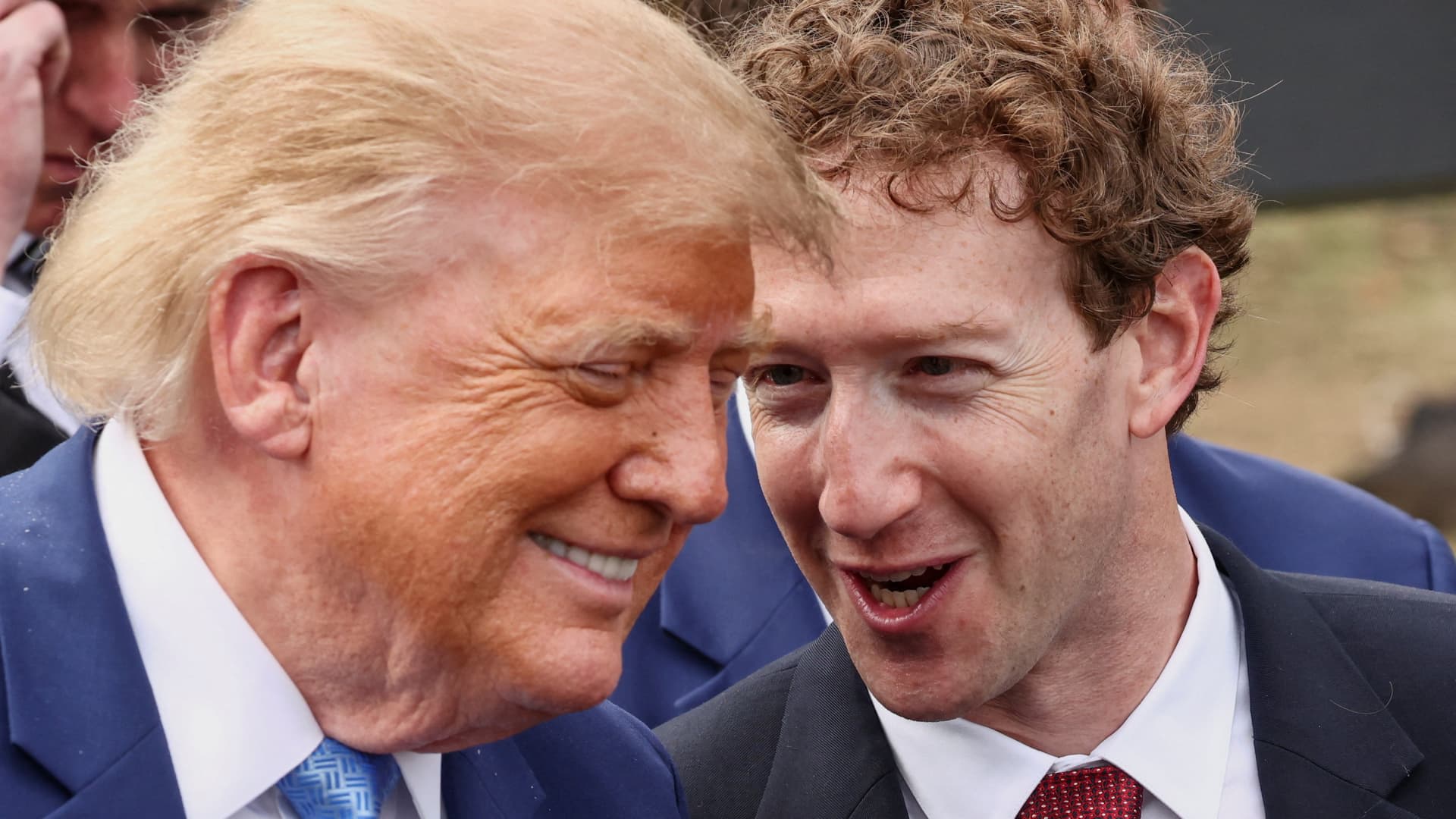
Elon Musk and Mark Zuckerberg have adopted President Trump's preferred 'super intelligence' terminology during recent earnings calls. This shift follows a formal executive directive aimed at rebranding artificial intelligence while pursuing a deregulation-heavy growth strategy.
The Semantic Shift: Rebranding AI as 'Super Intelligence'
In a significant development for the intersection of technology and governance, Meta CEO Mark Zuckerberg and Tesla/SpaceX CEO Elon Musk have officially adopted the term "super intelligence" during their respective third-quarter earnings calls. This linguistic pivot aligns directly with President Donald Trump's recent administrative directive, issued on September 29, 2026, which mandates that all executive branch departments and agencies replace the standard industry term "artificial intelligence" with "super intelligence."
The Political Catalyst
The mandate originated during a high-profile AI luncheon hosted by President Trump at the White House. By pushing for this rebranding, the administration is signaling a departure from legacy terminology, framing the rapid advancement of machine learning not merely as a technical evolution, but as a superior class of cognitive infrastructure. This strategic choice serves to differentiate the current administration's approach to the sector, which emphasizes rapid, unregulated growth over the cautious oversight models previously favored by regulatory bodies.
Corporate Alignment vs. Industry Hesitation
While Musk and Zuckerberg—two of the most influential figures in the global tech landscape—have mirrored the President's terminology, the broader industry has shown marked hesitation. During subsequent earnings calls, many other tech CEOs notably refrained from adopting the new branding. This divergence highlights a potential rift within Silicon Valley, where some leaders may be cautious about aligning corporate identity too closely with specific political mandates, fearing potential backlash or the perception of compromised neutrality.
Implications for Regulatory Strategy
The administration’s push is not merely cosmetic; it is deeply intertwined with a broader agenda to ensure the growth of AI in the United States with limited federal interference. By rebranding the technology, the White House is crafting a narrative of American exceptionalism and dominance in the field. This suggests that the administration intends to cultivate a landscape where the primary goal is the acceleration of "super intelligence" to maintain a competitive edge, specifically against international rivals, while downplaying risks that necessitate heavy-handed regulation.
Future Trends and Social Media Influence
President Trump’s use of Truth Social to communicate his policy preferences, including his recent announcement regarding the restriction of AI and artificial content, demonstrates a direct line of communication between the executive office and the public. As Musk and Zuckerberg align their corporate rhetoric with this platform, we are likely to see a trend where tech giants become increasingly integrated into the administration's nationalist technological framework. This could lead to a bifurcated industry landscape where companies are categorized by their willingness to adopt the state-sanctioned lexicon.
Conclusion
The adoption of "super intelligence" by Musk and Zuckerberg marks a pivotal moment in the relationship between the tech elite and the Trump administration. As this terminology takes root in official government documents and corporate reporting, it will likely reshape the public discourse surrounding automation and machine learning. Whether this rebranding successfully fosters a new era of growth or creates long-term friction within the broader tech community remains to be seen as the administration continues to prioritize deregulation.