TVK has forgotten its promises: Edappadi Palaniswami
Source Entity
India Latest News: Top National Headlines Today & Breaking News | The Hindu
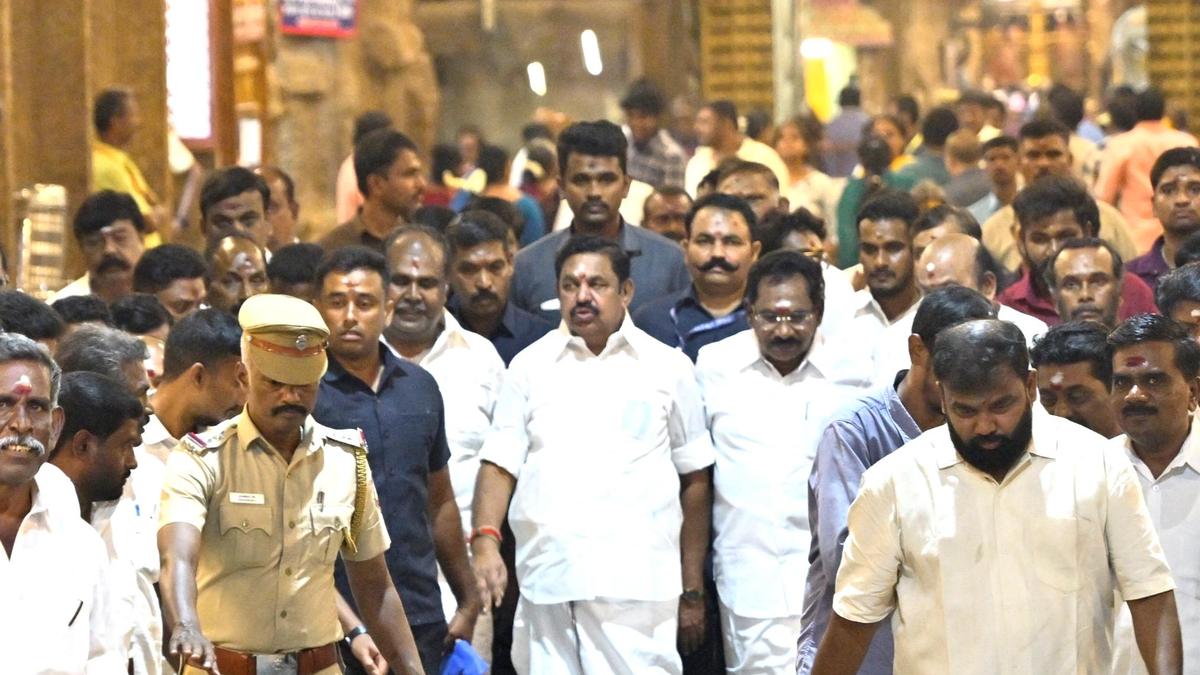
AIADMK leader Edappadi Palaniswami has criticized the TVK party, alleging administrative chaos and a lack of governance. He claims that poor coordination among departments has left officials unable to effectively implement key public programs.
Political Friction in Tamil Nadu: The Critique of TVK
Recent statements by AIADMK leader Edappadi Palaniswami have ignited a fresh wave of political discourse in Tamil Nadu. By openly accusing the Tamizhaga Vettri Kazhagam (TVK) of failing to uphold its initial promises, Palaniswami has positioned his party as a stringent opposition force. His critique focuses on the perceived inability of the current administration to manage the state's bureaucratic machinery effectively.
The Allegation of Administrative Chaos
The core of Palaniswami’s argument rests on the claim that "chaos prevails in every department." According to the former Chief Minister, the lack of strategic direction has created a vacuum of leadership that trickles down to the grassroots level. This assertion suggests that the systemic issues are not merely localized but are pervasive across the state's administrative framework, hindering the delivery of essential services to the public.
Coordination and Implementation Deficits
A critical component of Palaniswami’s grievance is the alleged lack of coordination among government officials. In administrative governance, the seamless functioning of departments is vital for the execution of welfare schemes and development projects. Palaniswami argues that because there is no clarity from the top, officials are effectively paralyzed, unable to implement government programs as intended. This indicates a potential breakdown in the vertical chain of command.
Historical Context and Political Positioning
As a veteran political leader, Palaniswami’s critique is consistent with his role as the leader of the opposition. His strategy involves highlighting the administrative lapses of the current political setup to garner public support for the AIADMK. By pointing out these inefficiencies, he is attempting to contrast his past tenure—which he portrays as a period of stability—against what he labels as the current climate of confusion and lack of direction.
Broader Implications for Governance
The implications of these accusations are significant for the political landscape of Tamil Nadu. If public perception shifts toward the belief that the state government is uncoordinated, it could lead to increased pressure on the administration to overhaul its bureaucratic processes. For the voter, these claims raise questions about the viability of the current party's long-term governance model and its ability to fulfill campaign mandates.
Conclusion: Assessing the Future Outlook
Moving forward, the effectiveness of the current administration will likely be measured by how it addresses these claims of administrative paralysis. Whether or not these allegations lead to tangible policy shifts, the narrative set by Palaniswami ensures that the issue of implementation and coordination remains at the forefront of the political debate. The focus will now shift to whether the TVK can prove these critiques unfounded or if the administrative challenges will persist in the coming months.
Verification Required?