Footpath encroachments cleared in parts of Mysuru
Source Entity
India Latest News: Top National Headlines Today & Breaking News | The Hindu
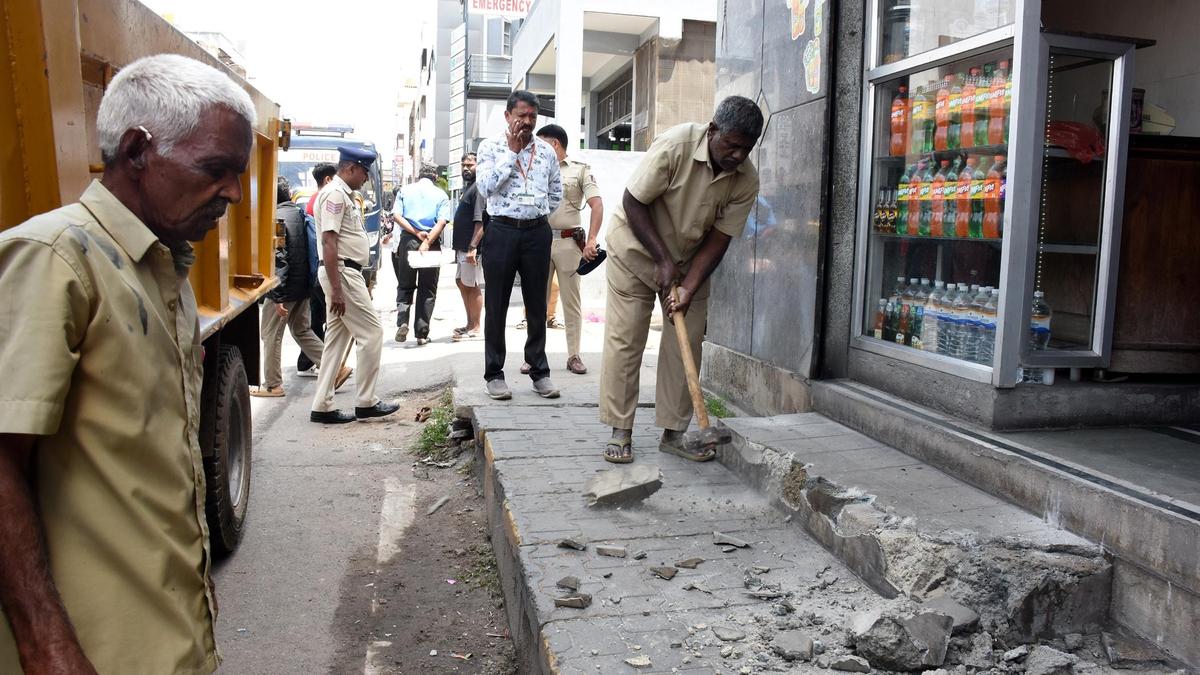
The Mysuru City Corporation (MCC) conducted a special enforcement drive on Tuesday to clear illegal encroachments from footpaths across various parts of Mysuru City, aiming to restore unobstructed movement for pedestrians.
Restoration of Pedestrian Rights: Analyzing the MCC's Anti-Encroachment Drive
In a decisive move to reclaim public spaces, the Mysuru City Corporation (MCC) launched a targeted operation on Tuesday to clear footpath encroachments across several sectors of Mysuru City. The primary objective of this drive was to remove physical obstructions that have long hindered the movement of pedestrians, forcing many to walk on the main roads and increasing the risk of traffic accidents. This initiative reflects a broader administrative effort to prioritize urban walkability and ensure that the city's infrastructure serves its intended purpose.
The Urban Challenge of Footpath Encroachments
Footpath encroachment is a systemic issue in many rapidly growing Indian cities, where the boundary between commercial activity and public utility often blurs. In Mysuru, as in other urban centers, footpaths are frequently occupied by street vendors, temporary kiosks, and illegally parked vehicles. While these activities support the local informal economy, they create significant bottlenecks. When pedestrians are pushed off the sidewalk, it leads to a dangerous overlap between foot traffic and vehicular flow, compromising the safety of the most vulnerable road users, including the elderly and children.
Balancing Commerce and Public Utility
One of the most complex aspects of the MCC's drive is the inherent tension between the livelihood of small-scale vendors and the city's need for clear thoroughfares. Many of the encroachments cleared are likely operated by marginalized traders who rely on high-footfall areas to sustain their businesses. However, the legal mandate of the municipal corporation is to ensure that public rights-of-way are maintained. For such drives to be sustainable, the city must look beyond mere removal and consider the implementation of designated 'vending zones' that allow commerce to thrive without obstructing the public's right to safe passage.
Implications for Mysuru's Tourism and Image
Mysuru is globally recognized as a cultural and tourist hub, famous for its heritage architecture and planned city layouts. The proliferation of haphazard encroachments can detract from the city's aesthetic appeal and hinder the movement of tourists who often explore the city on foot. By cleaning up the footpaths, the MCC is not only improving local commutes but also enhancing the overall visitor experience. A walkable city is often perceived as a more developed and organized urban environment, which can indirectly boost local tourism and the perceived quality of life for residents.
The Cycle of Enforcement and the Need for Permanence
Historically, 'special drives' of this nature often yield immediate results but struggle with long-term sustainability. There is a recurring pattern where encroachments return shortly after the authorities vacate the area. To break this cycle, the MCC will need to transition from sporadic drives to a regime of consistent monitoring and strict penalty enforcement. The success of Tuesday's operation will be measured not by how many obstructions were removed, but by whether those footpaths remain clear in the coming months.
Future Trends: Toward a Pedestrian-Centric City
Looking ahead, this drive may signal a shift toward more pedestrian-centric urban planning in Mysuru. As the city integrates more 'Smart City' initiatives, there is a growing trend toward creating 'walkable neighborhoods' and integrated transit systems. Future strategies may include the installation of physical barriers, better street lighting, and the digitalization of vendor permits to ensure that the city grows in an organized manner. The focus is likely to shift from reactive clearing to proactive urban design.
Summary
The MCC's recent action to clear footpath encroachments is a necessary step toward ensuring pedestrian safety and urban order in Mysuru. While the drive addresses an immediate crisis of accessibility, its long-term efficacy depends on the corporation's ability to balance economic needs with civic discipline. By reclaiming these spaces, Mysuru moves closer to becoming a safer, more accessible, and more tourist-friendly city.
Verification Required?