NanoGPT Speedrun Frontier
Source Entity
Hacker News
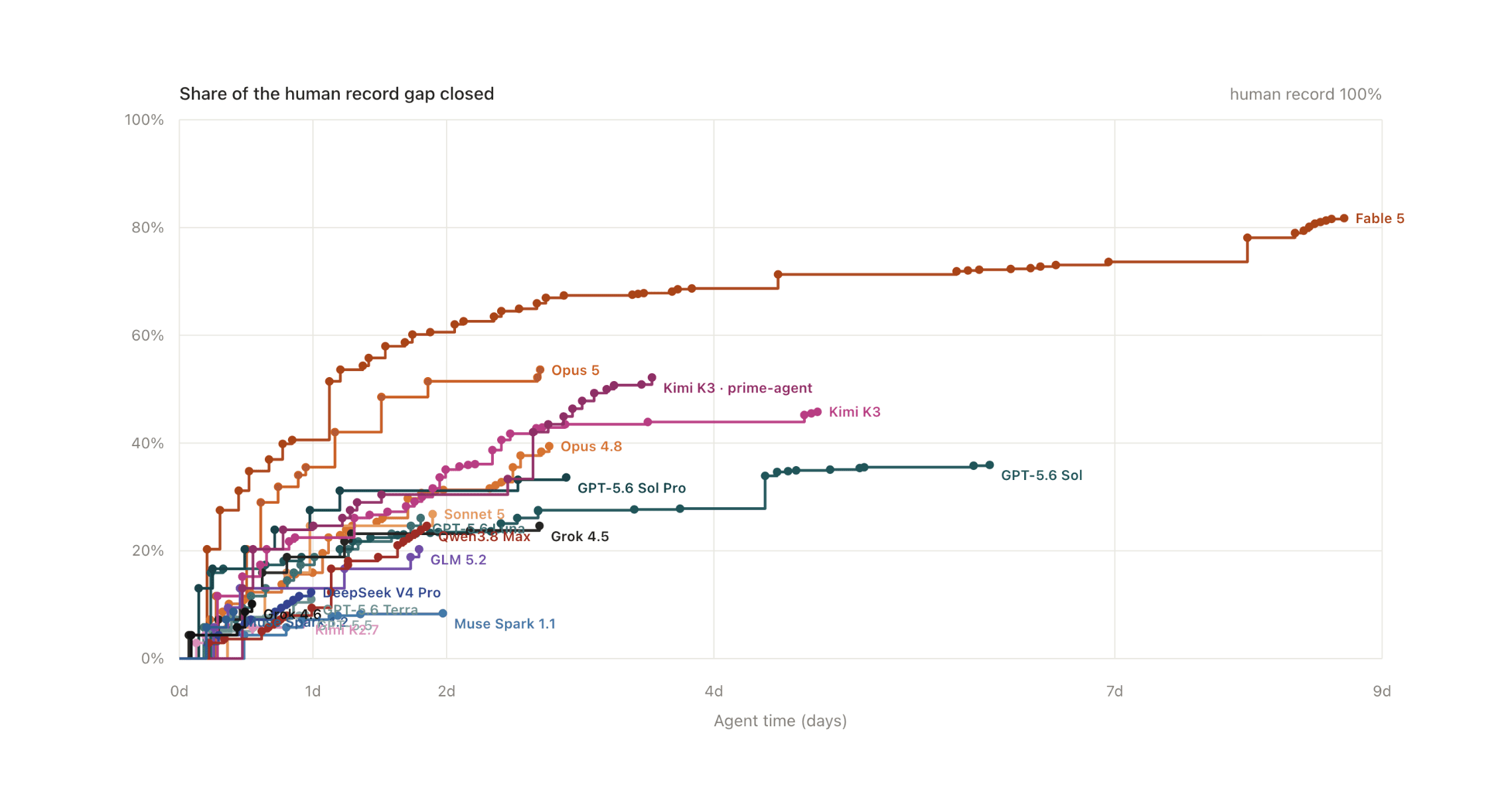
The NanoGPT Speedrun initiative establishes a standardized benchmarking framework for AI models using an equal-budget comparison methodology. By normalizing agent-hours and output tokens, the project aims to provide a transparent evaluation of model performance and efficiency.
Evaluating AI Efficiency: The NanoGPT Speedrun Frontier
Establishing a Standardized Benchmark
The emergence of the NanoGPT Speedrun initiative represents a significant shift in how the machine learning community approaches model performance evaluation. By moving away from subjective or heterogeneous testing environments, this framework mandates an equal-budget comparison for all participating models. This methodology ensures that performance metrics are not skewed by disparate computational resources, providing a clearer picture of which architectures truly excel when constrained by real-world limitations.
The Role of Resource Budgeting
At the heart of this initiative is the strict enforcement of a 'resource budget.' By equating the total investment for each model—measured in agent-hours and total output tokens—researchers can isolate the efficiency of the underlying algorithms. This is a crucial evolution in the field, as it moves the focus from 'raw power' to 'computational intelligence,' identifying which models can achieve the highest validated records with the fewest resources.
Analyzing Agent-Hours and Output Tokens
The use of 'agent-hours' as a primary metric provides a granular look at the temporal cost of model training and inference. When paired with 'output tokens,' this metric allows for a precise analysis of throughput efficiency. This dual-layered approach helps in identifying bottlenecks in token generation and model responsiveness that are often masked by more generalized performance benchmarks.
Implications for Future Model Development
This benchmarking standard carries profound implications for the future of AI development. As models grow increasingly complex, the ability to optimize for budget-constrained environments becomes a competitive necessity. By highlighting models that perform well under these specific constraints, the NanoGPT Speedrun provides a roadmap for developers aiming to build sustainable, high-performance systems that do not rely on unlimited compute.
Trends in Computational Efficiency
Looking forward, we can predict that this focus on efficiency will drive innovation in architectural design. We expect to see a surge in research targeting smaller, more nimble models that can outperform larger counterparts when normalized for cost. The NanoGPT Speedrun acts as a catalyst for this trend, setting a precedent that transparency in resource consumption is just as important as the final accuracy of the model.
Conclusion
The NanoGPT Speedrun Frontier serves as a vital tool for objective AI assessment. By centering the conversation on verifiable, budget-aware metrics, the project fosters a culture of rigorous scientific inquiry. As the industry continues to scale, such standardized comparisons will be essential for distinguishing genuine architectural breakthroughs from mere brute-force computational scaling.