NASA hopes the commercial space industry can help save Hubble
Source Entity
Terrence O’Brien
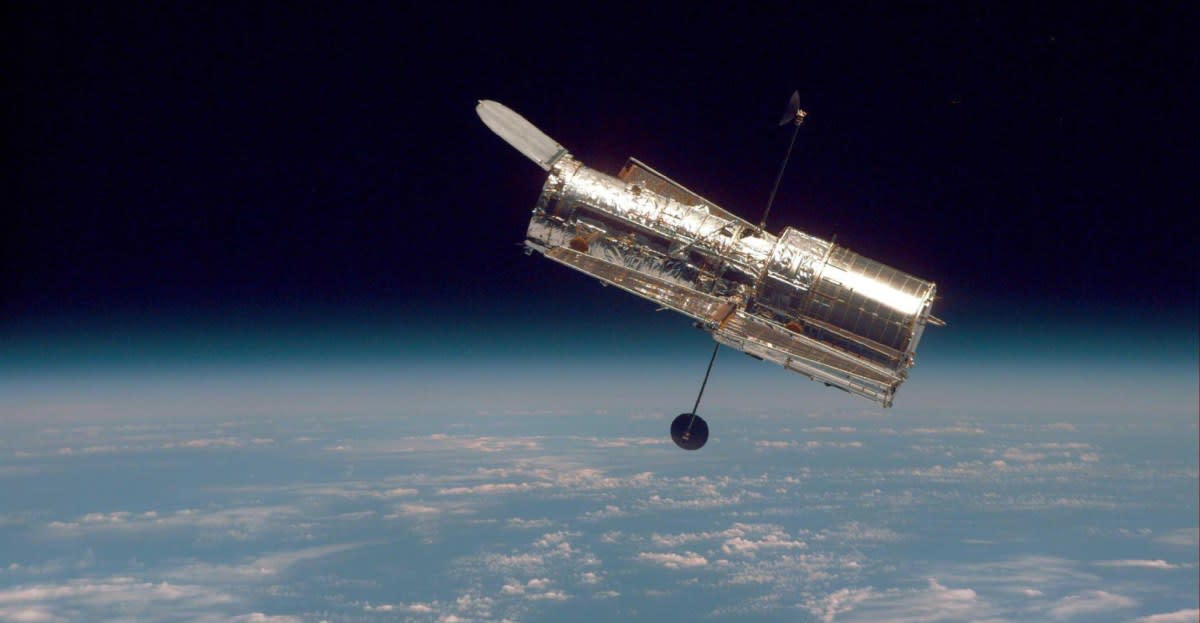
NASA is soliciting commercial proposals to reboost the Hubble Space Telescope's orbit to prevent its atmospheric reentry in the mid-2030s. This initiative seeks cost-effective private sector solutions to extend the mission's scientific output.
The Future of Hubble: A New Commercial Frontier
The Hubble Space Telescope has served as humanity’s primary eye on the cosmos for over three decades, fundamentally altering our understanding of the universe's expansion, dark energy, and the formation of galaxies. However, the telescope is currently battling the inevitable forces of orbital decay. As it orbits the Earth, atmospheric drag slowly pulls the observatory downward, creating a ticking clock that dictates its eventual demise in the atmosphere. Current projections suggest that without intervention, Hubble will become unusable in the early to mid-2030s.
Pivoting to Commercial Partnerships
Recognizing the immense value of this aging asset, NASA has initiated a strategic shift by soliciting proposals from the commercial space industry. This approach marks a departure from traditional, government-led maintenance missions, such as the iconic Space Shuttle servicing flights of the past. By leveraging the agility and innovation of the private sector, NASA aims to secure a cost-effective method to reboost Hubble’s orbit, effectively resetting its timeline and ensuring it remains a viable scientific platform for years to come.
The Economic and Scientific Rationale
NASA’s decision to explore these options is rooted in fiscal responsibility and scientific stewardship. As stated by agency officials, the American taxpayer has invested heavily in Hubble, and maximizing the return on that investment is a priority. Extending Hubble’s life is not merely about maintaining hardware; it is about continuing the steady stream of high-resolution data that complements newer observatories like the James Webb Space Telescope. A multi-telescope approach allows for a broader spectrum of analysis, from ultraviolet to infrared, which is essential for modern astrophysics.
Technical Challenges and Innovations
Reboosting an object not designed for modern automated docking presents significant engineering hurdles. Because Hubble was built in an era of human-crewed servicing, any commercial mission must adapt to its specific docking mechanisms or utilize novel robotic capture technology. The success of this initiative could set a precedent for how we manage aging space assets, potentially establishing a market for orbital maintenance and life-extension services that could benefit future low-Earth orbit projects.
Broader Implications for Space Exploration
This initiative signals a broader trend in space policy where NASA acts as a customer rather than the sole operator of every mission. By inviting commercial entities to solve the Hubble problem, NASA is fostering a robust industrial base capable of performing complex orbital maneuvers. This transition is vital for the long-term sustainability of space exploration, as it offloads routine maintenance to the private sector, allowing NASA to focus its resources on deeper space exploration and groundbreaking research.
Conclusion: A Legacy Secured
Ultimately, the effort to save Hubble is a testament to its enduring scientific relevance. While the telescope will eventually reach the end of its operational life, the current attempt to extend its mission reflects a commitment to discovery. By engaging the commercial space sector, NASA is not only attempting to save a legendary observatory but is also pioneering the logistical framework required to maintain the next generation of space-based infrastructure.