NCP accuses BJP of ‘misusing power’ over development funds
Source Entity
Latest News: Todays Latest News Headlines from India & World | Hindustan Times | Hindustan Times
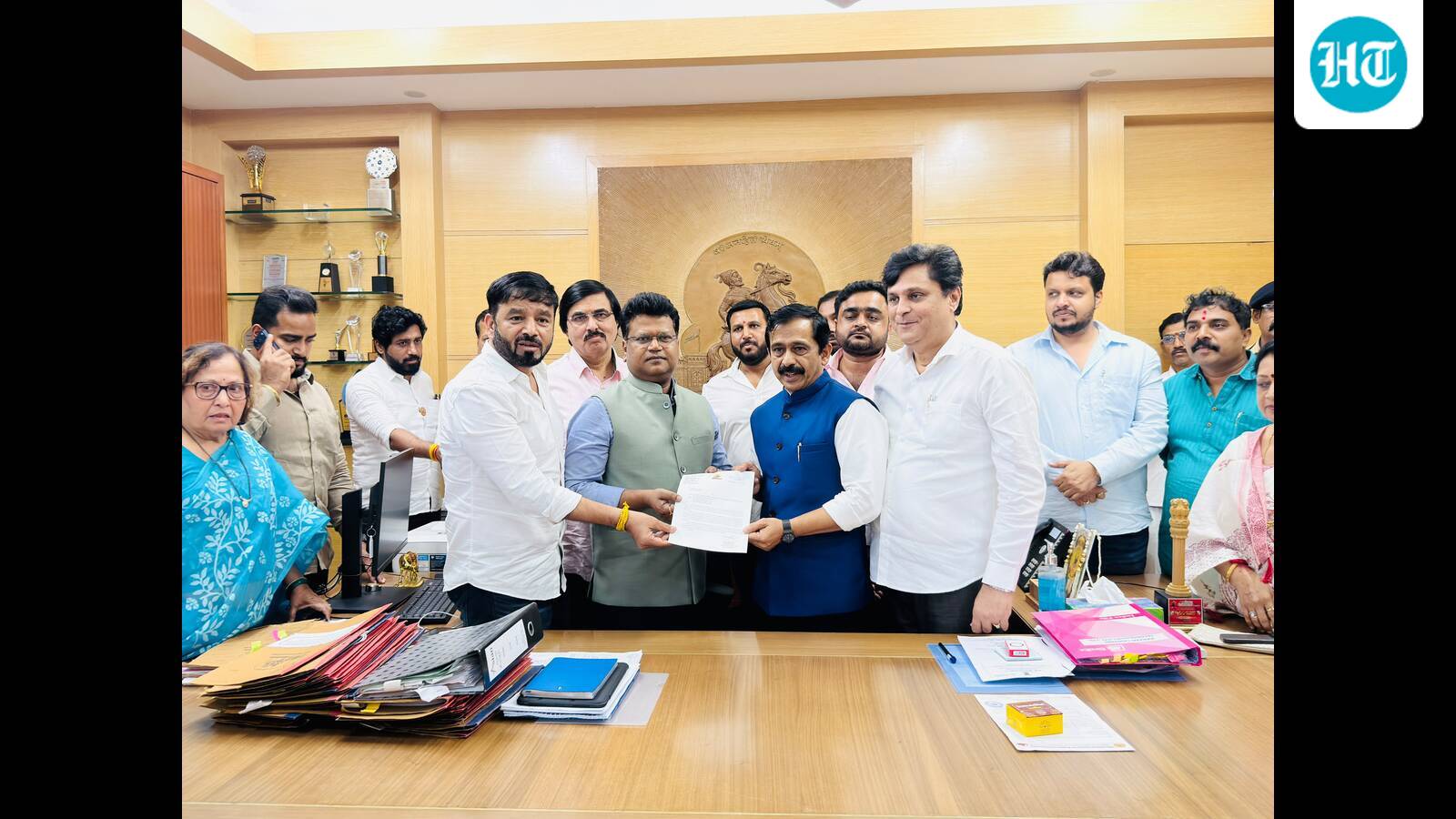
The political rivalry in Pune has escalated as the NCP accuses the BJP of misusing its majority in the Municipal Corporation to divert development funds. This dispute centers on allegations of retaliation against NCP corporators who questioned spending practices.
Political Tensions Escalate in Pune Municipal Corporation
The political landscape in Pune has become increasingly volatile as the Nationalist Congress Party (NCP) and the Bharatiya Janata Party (BJP) engage in a public standoff over the allocation of civic development funds. The conflict, centered within the Pune Municipal Corporation (PMC), reached a boiling point following allegations that the BJP, which holds a majority in the civic body, is systematically stripping funds from wards represented by NCP corporators. This move is widely perceived as a retaliatory measure following internal scrutiny of development projects.
The Catalyst for Conflict
The friction intensified after NCP corporators Amol Balwadkar and Suhas Tingre openly questioned the quality and transparency of development works associated with BJP leadership, including state minister Chandrakant Patil. In response, the BJP-led standing committee, chaired by Srinath Bhimale, passed resolutions to divert significant financial resources—reportedly Rs 11.5 crore for Tingrenagar alone—away from these opposition-held wards. The NCP characterizes this action as a blatant misuse of power, intended to stifle dissent and punish corporators who demand accountability regarding civic expenditures.
Institutional Challenges and Demands
In a formal pushback, the NCP has petitioned the PMC commissioner to exercise a suo moto authority to intervene in these budgetary reallocations. By requesting that the commissioner forward a proposal to the state government to cancel the standing committee's decisions, the NCP is attempting to leverage higher-level administrative oversight to bypass the BJP’s local majority. This strategy highlights the limitations of municipal governance when political polarization overrides the objective distribution of public infrastructure funds.
Broader Implications for Urban Governance
The diversion of development funds from specific wards poses a significant threat to local service delivery and infrastructure maintenance. When budgetary allocations are treated as political leverage rather than a reflection of ward-level needs, the residents of the affected areas—such as Baner and Tingrenagar—are the ultimate victims. This trend suggests a deteriorating climate of cooperation within the PMC, potentially leading to administrative gridlock and further erosion of public trust in local governance mechanisms.
Future Outlook and Political Fallout
As the NCP and BJP continue to trade accusations, the role of the PMC commissioner and the state government becomes critical in resolving the impasse. If the state government intervenes, it could set a precedent for how municipal fund diversions are handled in the future. However, if the current trend of using fiscal policy as a tool for political retribution continues, it may further polarize the Pune electorate and heighten the intensity of upcoming local body debates, turning routine civic administration into a high-stakes partisan battleground.
Verification Required?