Sharad Pawar’s next move? NCP factions in late-night meet with Devendra Fadnavis
Source Entity
Alok Deshpande
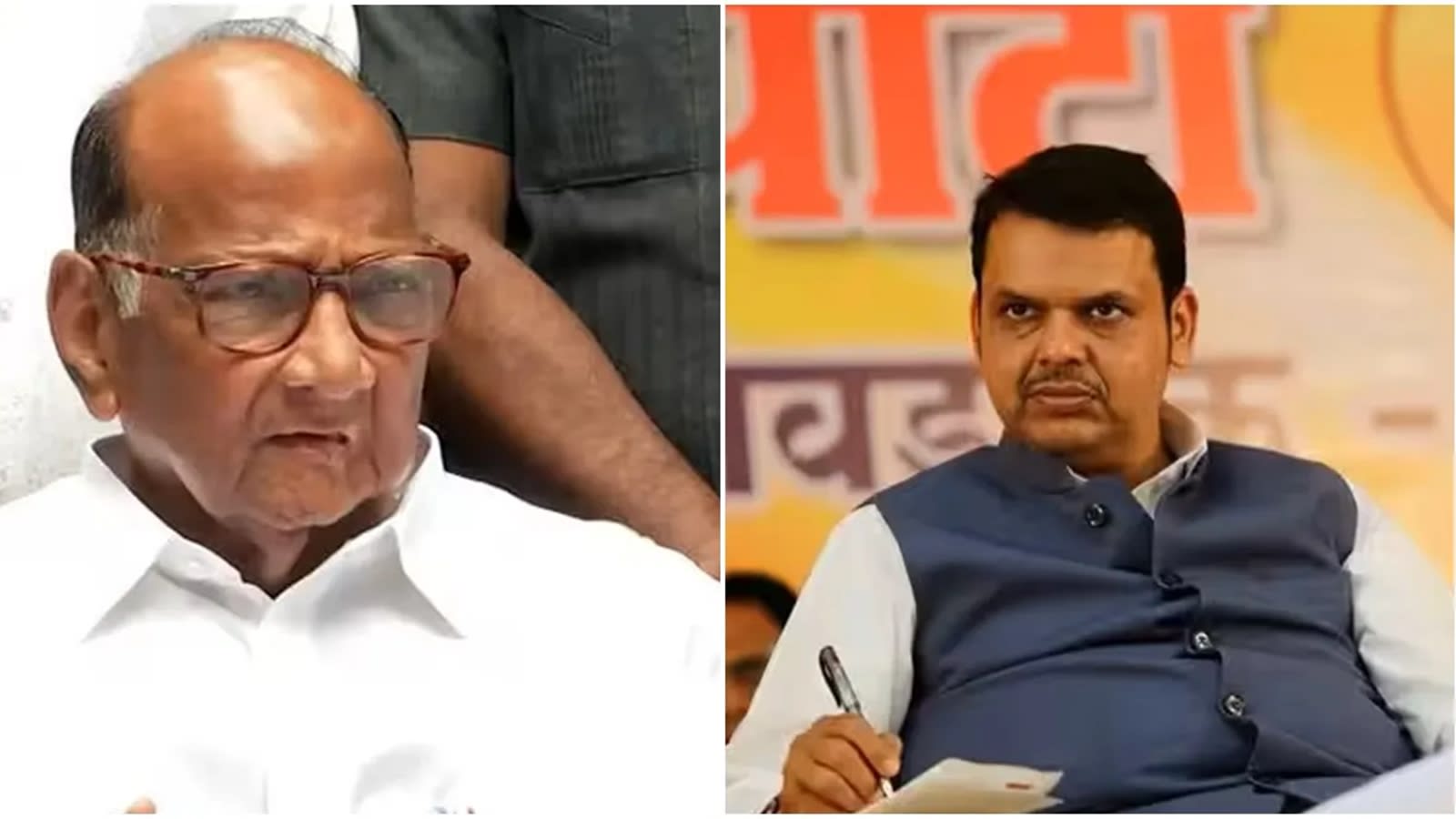
Late-night meetings between leaders from both factions of the Nationalist Congress Party (NCP) and Devendra Fadnavis have sparked intense speculation regarding Sharad Pawar's future political strategy and the potential for realignment within Maharashtra's government.
Political Volatility in Maharashtra: Analyzing the NCP-Fadnavis Late-Night Summit
The recent reports of late-night meetings between senior leaders from both factions of the Nationalist Congress Party (NCP) and Devendra Fadnavis have sent shockwaves through the political corridors of Maharashtra. In the high-stakes environment of Indian regional politics, late-night summits are rarely coincidental; they typically signal urgent negotiations, potential defections, or the forging of new strategic alliances. The involvement of both the Sharad Pawar-led faction and the Ajit Pawar-led faction suggests a complex dialogue aimed at resolving internal contradictions or establishing a new power-sharing equilibrium.
The Context of the NCP Schism
To understand the gravity of this meeting, one must look at the deep-seated divide within the NCP. The party, long the stronghold of Sharad Pawar, suffered a catastrophic split when Ajit Pawar broke away to join the Mahayuti alliance. This fracture was not merely a clash of personalities but a fundamental struggle for the party's legacy and its future direction. The fact that leaders from both sides are now engaging with Devendra Fadnavis indicates that despite the public animosity, there are back-channel communications aimed at navigating the current political impasse.
Devendra Fadnavis: The Strategic Architect
Devendra Fadnavis's role in these meetings is pivotal. Known as the strategic mastermind of the BJP in Maharashtra, Fadnavis often acts as the bridge between disparate political interests to ensure the stability of the ruling coalition. By hosting both factions, Fadnavis is likely attempting to gauge the appetite for a broader reconciliation or, conversely, to further isolate specific elements of the opposition. His involvement suggests that the BJP is actively managing the NCP's internal volatility to ensure that no sudden shift in loyalty threatens the current government's majority.
Speculating on 'Sharad Pawar's Next Move'
The phrase "Sharad Pawar's next move" has become a recurring theme in Maharashtra politics. As a veteran strategist, Pawar is known for his ability to pivot during crises. The meeting suggests several possibilities: a tactical truce to manage legislative hurdles, a negotiation for a more favorable position for his faction, or a calculated move to test the waters for a potential return to a coalition framework. Given Pawar's history of political maneuvering, this engagement with Fadnavis could be a precursor to a larger realignment that could redefine the state's opposition structure.
Broader Implications for State Governance
Beyond the immediate power struggle, these developments highlight the inherent instability of the current political landscape in Maharashtra. The frequent shifting of loyalties and the creation of splinter groups have led to a state of perpetual campaign mode, often at the expense of policy implementation. When the primary focus of senior leadership remains on survival and realignment—as evidenced by these late-night meetings—the administrative machinery can suffer from a lack of consistent direction and long-term planning.
Future Trends and Political Predictions
Looking ahead, it is probable that we will see a period of intense negotiation before any formal announcement. If a rapprochement between the NCP factions is brokered through Fadnavis, it could lead to a more consolidated ruling bloc, potentially marginalizing the MVA (Maha Vikas Aghadi). However, if these talks fail, the friction between the two NCP camps will likely intensify, leading to a more polarized electoral battle in the coming cycles. The outcome of these secret meetings will likely dictate the stability of the state government for the foreseeable future.
Summary
In conclusion, the late-night interaction between the NCP factions and Devendra Fadnavis is a clear indicator that the political chessboard in Maharashtra is being rearranged. Whether this leads to a unification of the NCP or a strategic consolidation of the Mahayuti, it underscores the central role that individual power brokers continue to play in the state's democratic process.