NCR’s AQI woes continues as RWAs try to fight back!
Source Entity
Latest News: Todays Latest News Headlines from India & World | Hindustan Times
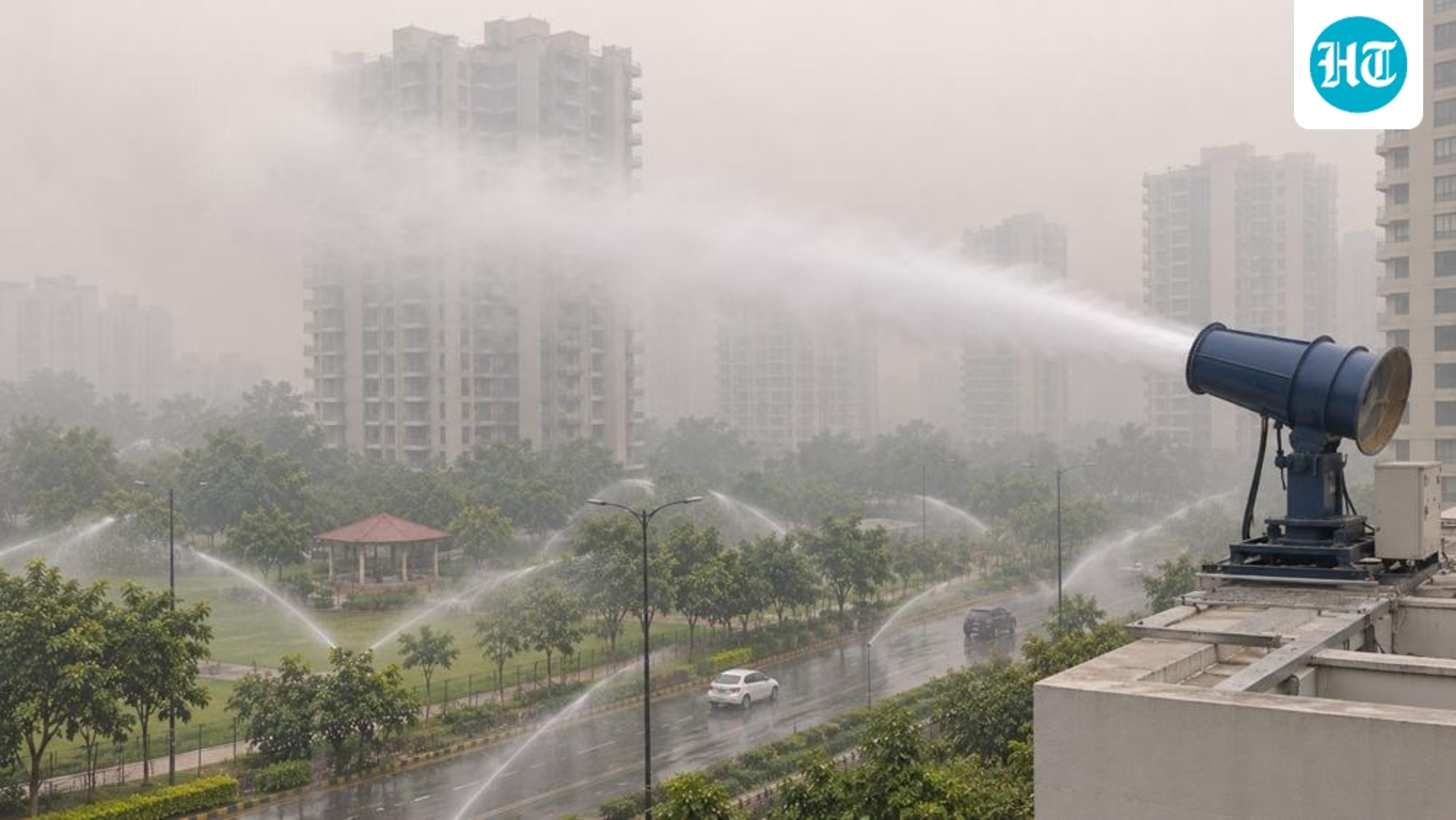
Resident Welfare Associations across the NCR are increasingly deploying DIY air-filtration technologies like rooftop anti-smog guns and automated sprinklers to combat severe winter pollution. These grassroots initiatives reflect a shift toward localized, tenant-funded environmental engineering in response to persistent air quality crises.
The Privatization of Clean Air: NCR’s Grassroots Response to Pollution
As the National Capital Region (NCR) grapples with its annual winter air quality crisis, a striking trend has emerged: the rise of DIY environmental engineering within high-rise residential societies. From Gurugram to Greater Noida and Faridabad, Resident Welfare Associations (RWAs) are moving beyond passive mitigation, such as indoor air purifiers, to active, large-scale outdoor air-scrubbing measures. This shift marks a significant evolution in how urban communities interact with environmental hazards, turning routine maintenance into a tactical defense against toxic smog.
The Mechanics of Residential Air Defense
The current landscape of pollution control in these areas has become increasingly sophisticated. Rooftop anti-smog guns, once reserved for large construction sites or municipal intervention, are now being installed atop residential skyscrapers to mist away particulate matter. Simultaneously, automated boundary sprinklers have become standard amenities, programmed to dampen dust and settle pollutants before daily routines, such as school bus pick-ups, commence. These measures represent a direct, localized attempt to manufacture 'micro-climates' of cleaner air within the confines of private housing complexes.
Socio-Economic Implications of 'DIY' Clean Air
This trend highlights a growing divide in how citizens cope with systemic environmental failure. By investing in expensive, society-wide anti-smog infrastructure, affluent high-rise communities are effectively privatizing the right to breathe cleaner air. While these measures may offer temporary relief to residents, they raise critical questions about urban equity. The reliance on individual RWA budgets to manage environmental health suggests a lack of confidence in broader municipal air-quality management systems, pushing the burden of protection onto the shoulders of the residents themselves.
Historical Context and the Shift in Expectations
Historically, pollution management in the NCR was viewed as a state-level regulatory challenge involving policy shifts in agriculture, transportation, and industrial oversight. However, as the 'smog season' has become a predictable and increasingly severe annual event, the threshold for community tolerance has plummeted. The evolution from indoor air purifiers—which protect the private household—to outdoor anti-smog guns—which attempt to protect the community perimeter—indicates that residents no longer view the pollution crisis as a transient problem to be waited out, but as a permanent feature of winter life that requires active, year-round mitigation.
Future Trends and Sustainability
The long-term viability of these grassroots engineering efforts remains to be seen. While these devices provide immediate relief, they are energy-intensive and require significant water consumption, both of which are precious resources in the NCR. Furthermore, the efficacy of localized spraying in mitigating regional, atmospheric-level air pollution is debated among environmental scientists. Moving forward, we can expect to see increased regulation or standardization of these private mitigation tools as local authorities attempt to balance community safety with resource management. Ultimately, these RWA-led initiatives serve as a poignant, if imperfect, testament to the resilience and desperation of residents living in one of the world's most polluted regions.
Verification Required?