300 detained, Aaditya Thackeray says Mumbai stir will intensify
Source Entity
The Indian Express
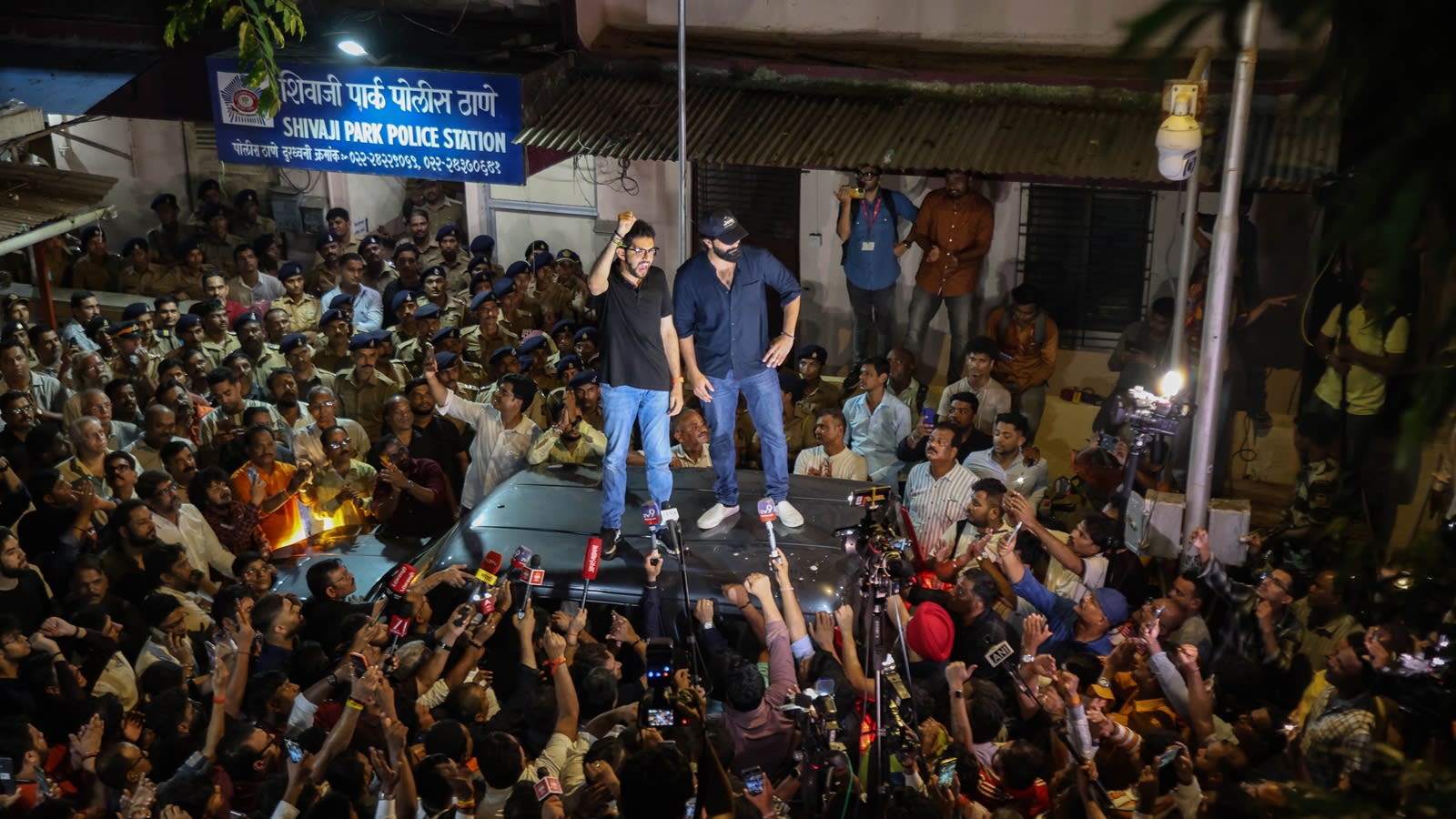
Authorities in Gautam Budh Nagar and Delhi have implemented strict security measures, including Section 163 of the BNSS, ahead of a planned Cockroach Janta Party (CJP) protest. Over 35,000 security personnel have been deployed, and at least 100 individuals with criminal records were detained to prevent potential unrest.
Heightened Security Measures in the National Capital Region
In anticipation of a planned protest by the Cockroach Janta Party (CJP) at Jantar Mantar, authorities in the National Capital Region have initiated a massive security operation. The Gautam Budh Nagar police have invoked Section 163 of the Bharatiya Nagarik Suraksha Sanhita (BNSS), 2023, to impose 18 specific restrictions across the district. These measures, effective from October 10 through October 20, serve as a preemptive strike against potential civil unrest, reflecting the administration's concern over the possibility of anti-social elements exploiting public gatherings to compromise order.
Strategic Deployment and Preventive Tactics
The security blueprint for the national capital is unprecedented in scale, with approximately 35,000 security personnel mobilized to maintain stability. This deployment is part of a broader strategy that includes extensive road blockades, movement restrictions, and potential disruptions to public services like the metro and local markets. By controlling the flow of traffic and people, the Delhi Police aim to create a sterile zone around critical areas, effectively neutralizing the logistical capacity of protesters to gather in large numbers.
Preemptive Detentions and Intelligence Operations
Beyond physical barriers, the Delhi Police have engaged in proactive intelligence-led operations. Over the course of a single night, officers across 15 districts detained at least 100 individuals with existing criminal records. Sources indicate these individuals were suspected of intending to join the CJP-led demonstration. This tactic of preventive detention is a cornerstone of the current strategy, designed to remove potential agitators from the streets before the protest can gain momentum, thereby mitigating the risk of violence or vandalism.
Regulatory Frameworks and Prohibitions
The regulatory orders issued by the Gautam Budh Nagar police explicitly target the instruments often used in violent protests. The prohibition on the storage of bricks, stones, and inflammable materials in open spaces is a direct response to past instances where such items were repurposed as projectiles. Furthermore, the requirement for prior written permission for any gathering of five or more people on public roads or intersections ensures that law enforcement maintains total visibility and control over public movement throughout the restricted period.
The Context of the Election Commission Row
The current tension is rooted in an ongoing dispute involving the Election Commission, specifically centered on criticisms directed at SIR and Election Commissioner Gyanesh Kumar. The CJP’s call for a 'Jantar Mantar 2.0' protest serves as the focal point for this friction. Because the Delhi Police denied formal permission for the event—citing a failure to adhere to conditions set during previous demonstrations—the protest is now classified as unauthorized, justifying the aggressive enforcement of security protocols.
Future Implications for Public Order
The reliance on Section 163 of the BNSS and the mass mobilization of security forces highlights a hardening stance by the state against unauthorized demonstrations. As authorities prioritize the maintenance of public order over the facilitation of large-scale protests, the trend points toward a more restricted environment for political expression in the NCR. Future political movements will likely face increased scrutiny and administrative hurdles, as the current model of 'preventive security' becomes the standard template for managing high-stakes political dissent in the capital.
Multiple Citing Sources