NDMC chairman apologises for delay in clearing Delhi waterlogging: ‘Can’t be an excuse'
Source Entity
Latest News: Todays Latest News Headlines from India & World | Hindustan Times | Hindustan Times
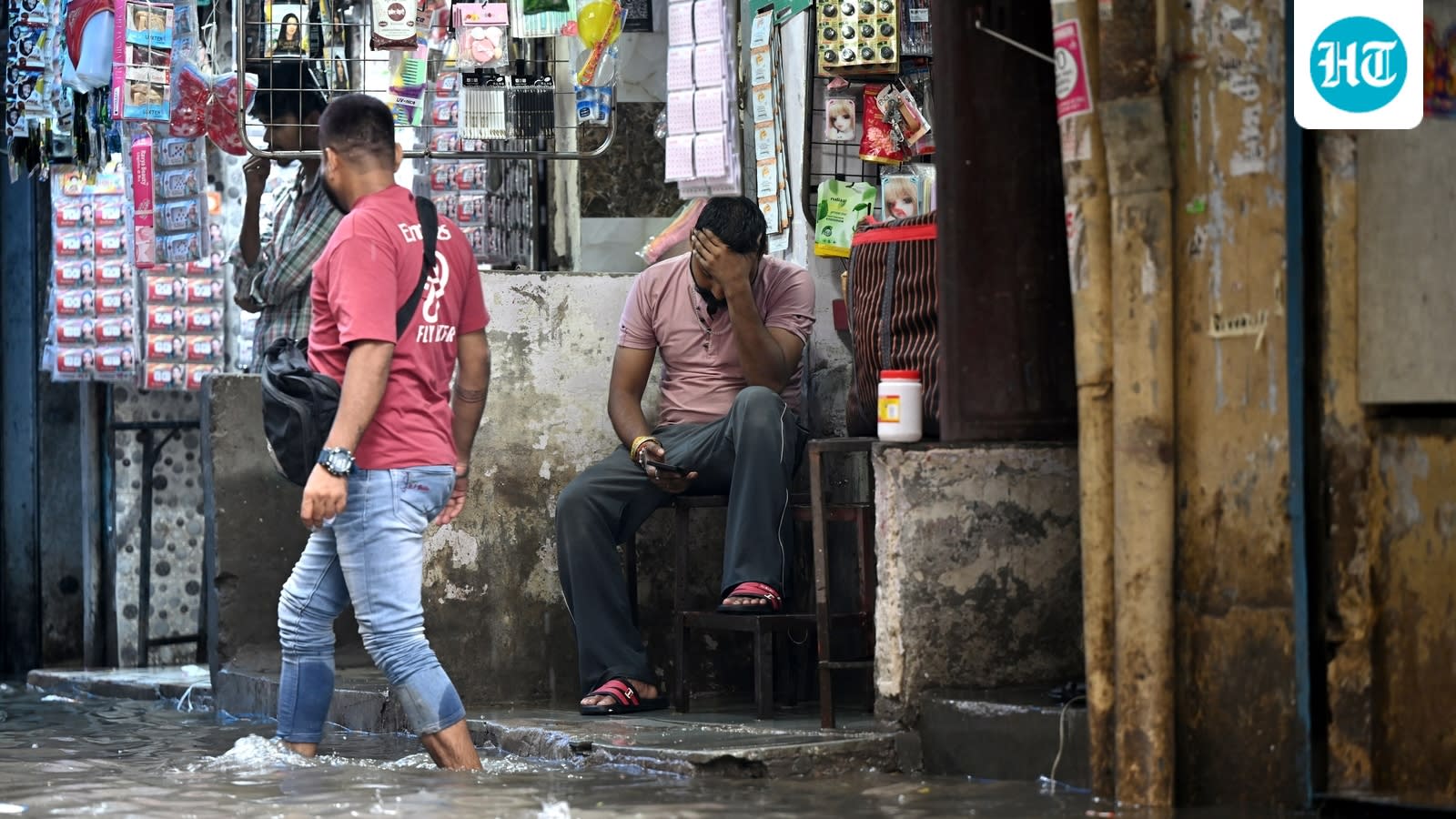
NDMC Chairperson Manoj Kumar Dwivedi has issued a formal apology following severe waterlogging in New Delhi caused by an unexpected, intense downpour. The council is now committed to upgrading its infrastructure to prevent similar delays in drainage during future extreme weather events.
NDMC Response to Delhi's Extreme Rainfall
Following a period of intense meteorological instability, the New Delhi Municipal Council (NDMC) has faced significant public scrutiny regarding its disaster response mechanisms. On August 25, 2026, the national capital experienced an unprecedented downpour, with over 72 mm of rainfall recorded in less than two hours. This rapid accumulation of water overwhelmed existing drainage systems, leading to severe waterlogging in critical areas, including Connaught Place, Talkotara, and Mandir Marg, as well as the Teliwara Market in Sadar Bazaar.
The Administrative Accountability
NDMC Chairperson Manoj Kumar Dwivedi took to social media to address the public directly, offering a sincere apology for the inconvenience caused. He acknowledged that while the council typically maintains a rapid response time—usually clearing waterlogging within 15 to 20 minutes—this specific event caused significant delays. In at least three to four locations, the drainage process extended beyond an hour, a duration that exceeded the civic body’s established operational standards.
Analyzing the 'Unexpected' Nature of the Downpour
Chairperson Dwivedi emphasized that the intensity of the rainfall was largely unexpected. However, he maintained a stance of accountability, explicitly stating that the severity of the weather cannot be used as an excuse for service failures. By categorizing the response as falling short of the NDMC's self-imposed benchmarks, the leadership has signaled a shift toward greater transparency and public responsibility in managing urban infrastructure during climate-induced events.
Infrastructure and Future Preparedness
The incident has reignited the perennial debate regarding why Delhi’s roads frequently succumb to flooding during the monsoon season. The NDMC has pledged to strengthen its systems to handle such extreme weather scenarios in the future. This commitment implies a need for a comprehensive audit of current drainage capacities and a potential redesign of water management protocols to accommodate the increasingly erratic rainfall patterns observed in the region.
Broader Urban Implications
As Delhi continues to grapple with the challenges of rapid urbanization and climate change, the ability of civic bodies like the NDMC to maintain functional infrastructure is critical. The events of August 25 serve as a litmus test for the city's resilience. The promise to bolster systems suggests that future urban planning must prioritize climate-resilient infrastructure capable of handling high-volume precipitation in short bursts.
Conclusion
Ultimately, the apology from the NDMC Chairperson represents a proactive attempt to restore public trust. By acknowledging the failure to meet standard response times and promising systemic improvements, the council is setting a precedent for accountability. The focus must now shift to the implementation of these upgrades to ensure that the city’s core areas remain accessible and safe during future extreme weather events.
Verification Required?