NEET Result 2026: Panshul Bansal secures AIR 2, says consistency and NCERT revision were key to success
Source Entity
Latest News: Today's Latest News Headlines from India & World | Hindustan Times | Hindustan Times
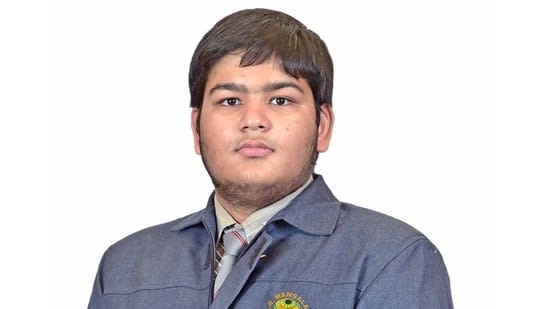
Ludhiana's Aryan Gupta and Haryana's Panshul Bansal have emerged as top performers in the NEET-UG 2026 examination following a re-test. Candidates attribute their success to disciplined routines, consistent revision, and strategic stress management techniques.
Resilience in the Face of Academic Uncertainty
The declaration of the NEET-UG 2026 results marks a significant milestone for students across India, particularly following the unique challenges posed by the cancellation of the original examination due to paper leak allegations. The subsequent re-test on June 21 demanded not only academic excellence but also immense psychological resilience from aspirants. Among those who navigated this turbulent period successfully are Aryan Gupta of Ludhiana and Panshul Bansal of Haryana, both of whom achieved a stellar score of 715 out of 720 marks.
The Role of Mental Well-being in High-Stakes Testing
For many students, the transition back into 'study mode' after a major cancellation was the most difficult hurdle. Aryan Gupta’s experience highlights the importance of balancing intense cognitive labor with restorative hobbies. By integrating Japanese anime, music, and table tennis into his schedule, Gupta maintained his mental equilibrium, proving that holistic stress management is as vital as subject-matter expertise in high-pressure competitive environments.
Strategic Preparation and Academic Discipline
While Gupta utilized creative outlets to stay motivated, other top-rankers emphasized rigid structural discipline. Panshul Bansal, who secured AIR 2, credited his success to a combination of consistent NCERT revision and a supportive educational ecosystem at KR Mangalam World School. This underscores the necessity of a structured environment where academic rigor is balanced with psychological support, allowing students to remain focused despite external pressures.
Subject-Specific Methodologies
Success in the NEET-UG is rarely a product of generic study habits; rather, it often requires a nuanced strategy. Prakul Garg, who achieved AIR 63, provided a masterclass in time management by dedicating 15 to 16 hours daily to his preparation. His methodology involved a phased approach: prioritizing Physics and Chemistry during the initial stages and reserving the final three months exclusively for Biology. This targeted strategy demonstrates the importance of subject-wise prioritization in mastering a vast syllabus.
Future Trends and Implications
The 2026 NEET-UG results provide a clear window into the evolving landscape of Indian competitive exams. As exams become increasingly vulnerable to external systemic disruptions, the ability of students to pivot—as seen in the positive sentiment expressed by candidates like Aryaman Solanki regarding the re-test—is becoming a requisite skill. Moving forward, the success of these students suggests that the most competitive candidates will continue to be those who pair rigorous, long-hour discipline with personalized stress-coping mechanisms.
Conclusion
The journey of students like Aryan Gupta, Panshul Bansal, and Prakul Garg serves as a testament to the dedication required to excel in one of the world's most challenging medical entrance examinations. Their stories reflect a broader trend where academic success is increasingly tied to the ability to manage both the complexity of the curriculum and the unpredictability of the examination cycle itself.
Multiple Citing Sources
Verification Required?