Nepal Horror Caught On Cam: People Seen Fleeing Moments Before Disaster Struck
Source Entity
Latest News: Todays Latest News Headlines from India & World | Hindustan Times | Hindustan Times
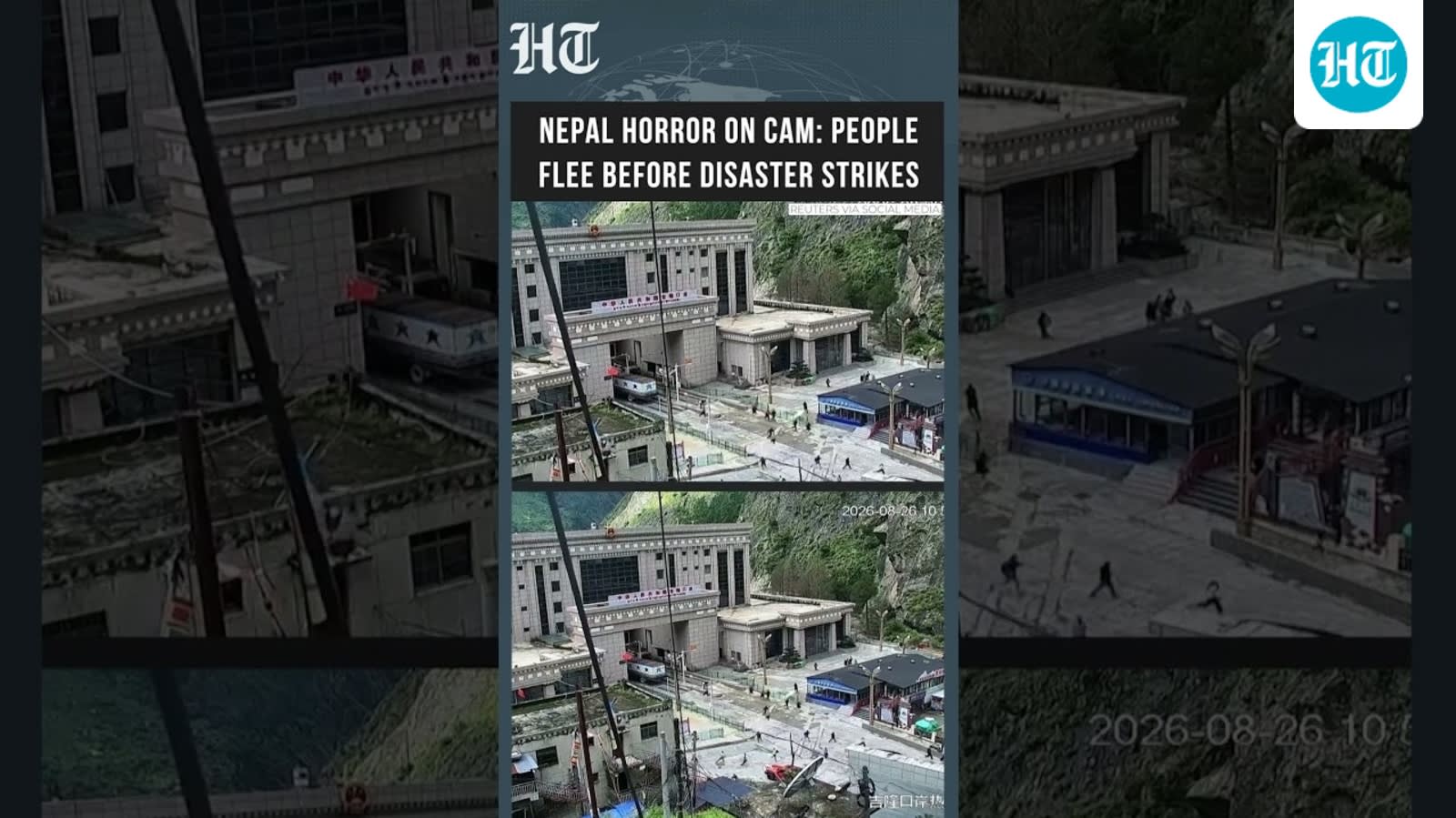
A catastrophic ice-rock avalanche in the Himalayas has triggered deadly flash floods across the Nepal-Tibet border, prompting high-alert warnings for Indian states. Simultaneously, social tensions have flared in Uttar Pradesh following the desecration of an Ambedkar statue.
Himalayan Instability: The Nepal-Tibet Flash Floods
A catastrophic environmental event has unfolded along the Nepal-Tibet border, where a suspected ice-rock avalanche triggered massive flash floods and mudslides. The International Centre for Integrated Mountain Development (ICIMOD) is currently spearheading investigations into the geological mechanisms that caused this disaster. Originating in high-altitude terrain, the deluge sent a lethal torrent of water, sediment, and boulders surging through the Bhote Koshi and Trishuli river systems, resulting in significant loss of life and leaving hundreds of tourists, including 105 Indian nationals, missing.
Cross-Border Environmental Implications
The tragedy highlights the volatile nature of the Hindu Kush Himalaya (HKH) region, a landscape increasingly susceptible to climate-induced hazards. The Trishuli River, acting as a primary conduit for the debris, flows directly into the Gandak river system. This hydraulic connectivity creates immediate downstream risks for northern India. Authorities in Uttar Pradesh, Bihar, and Uttarakhand have been placed on high alert as the sudden surge in water levels threatens to overwhelm riverbanks, exacerbated by heavy rainfall and the necessary opening of barrage gates in Nepal to manage the influx.
The Socio-Political Landscape in India
While the northern frontier battles environmental catastrophe, internal social stability is being tested in Rae Bareli, Uttar Pradesh. In a separate but notable development, the desecration of a statue of Dr. B.R. Ambedkar in Baburiha village has ignited local unrest. The act of smearing mud and soot on the monument has caused significant communal friction, reflecting the deep symbolic importance of such figures in the regional socio-political fabric.
Crisis Management and Law Enforcement Response
The dual nature of these crises—one environmental and one social—demands a multi-faceted response from state machinery. In the flood-ravaged regions, rescue operations are heavily dependent on heavy machinery to clear debris and reach submerged dwellings. Conversely, in Rae Bareli, the response from the Additional Superintendent of Police and local officials has focused on de-escalation, deploying security personnel to maintain order while promising a thorough investigation into the vandalism.
Future Trends and Resilience
Looking ahead, the events of this week underscore a critical need for enhanced early-warning systems in the HKH region. As climate patterns shift, the frequency of ice-rock avalanches may increase, necessitating better coordination between Nepal, China, and India regarding hydrological data sharing. Simultaneously, the incident in Rae Bareli serves as a reminder of the fragility of social harmony, emphasizing the role of law enforcement in preventing localized grievances from escalating into broader civil instability.
Multiple Citing Sources
Verification Required?