Nepal Flood Crisis: Residents Move to Higher Ground as Water Levels Rise
Source Entity
Latest News: Todays Latest News Headlines from India & World | Hindustan Times | Hindustan Times
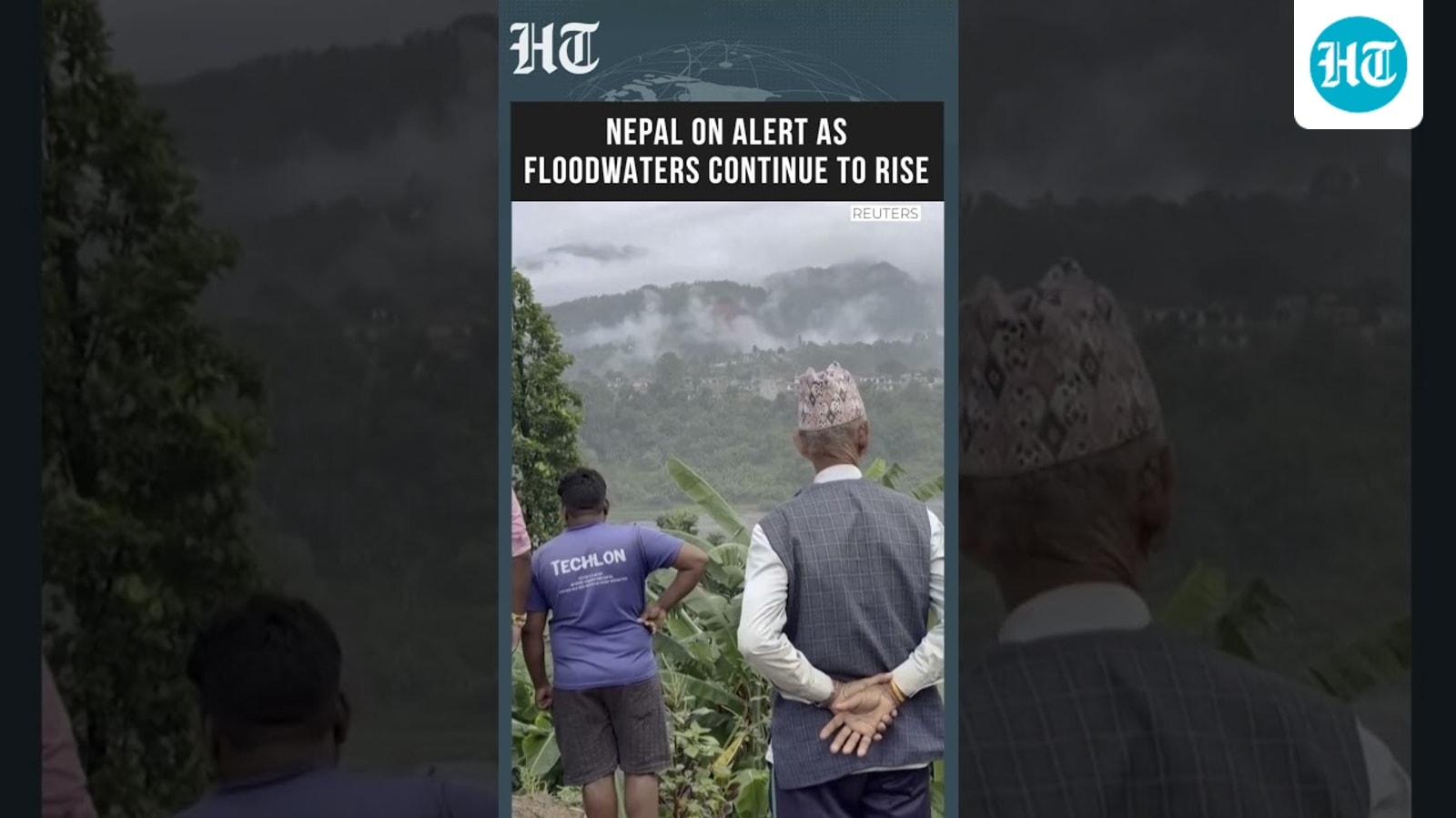
Catastrophic flash floods in Nepal, triggered by a glacial collapse, have resulted in over 680 deaths and thousands missing. The disaster has prompted high-alert warnings for bordering Indian states as water levels in key rivers rise.
The Catastrophic Flash Floods in Nepal: A Comprehensive Overview
Recent reports indicate a humanitarian disaster of significant proportions unfolding in Nepal following a series of catastrophic flash floods. The event, which has claimed at least 682 lives and left nearly 3,000 individuals missing, originated near the Nepal-China border. According to the United States Geological Survey (USGS), the seismic activity initially suspected to be earthquake-related was actually triggered by a massive glacial collapse. This geological event unleashed torrents of water that swept through mountain valleys, destroying critical infrastructure including roads, bridges, and numerous buildings.
Impact on Regional Hydrology and Cross-Border Risks
The consequences of this disaster extend far beyond Nepal's borders. The influx of water has placed the Indian states of Uttar Pradesh, Bihar, and Uttarakhand on high alert. The flash floods, occurring approximately 200 km north of the Indian border, have necessitated the monitoring of major river systems, including the Ghaghara, Rapti, Gandak, and Kosi. The Trishuli river, which integrates flow from the Bhote Koshi originating in Tibet, is a primary conduit of this surge, directly impacting the water levels of the Gandak river as it flows into Indian territory.
The Humanitarian Crisis and International Response
The scale of the disaster is staggering, with UNICEF reporting that at least 17,000 children are in urgent need of humanitarian assistance. The destruction of 18 schools and damage to countless other structures has severely hampered local recovery efforts. Prime Minister Narendra Modi has offered assistance, and international aid has begun to reach survivors currently housed in temporary camps. Rescue operations remain ongoing, with teams combing through debris to locate the missing, while over 4,451 people have been successfully rescued to date.
Climate Risks in the Himalayan Region
This event highlights the increasing vulnerability of the Himalayan region to climate-induced hazards. The transition from stable glacial environments to volatile, high-risk zones due to environmental shifts is a growing concern for regional stability. The destruction of infrastructure, including roads and buildings buried under thick mud and debris, emphasizes the physical power of these glacial-fed floods. As the region faces these growing risks, the necessity for improved early warning systems and infrastructure resilience becomes paramount.
Future Implications and Conclusion
Moving forward, the primary challenge remains the stabilization of affected communities and the management of downstream flood risks in India. As water levels in the Ghaghara and Kosi rivers remain a point of concern due to potential barrage gate operations and natural surges, regional authorities must maintain strict vigilance. The tragedy serves as a grim reminder of the interconnected nature of geography and climate risk, necessitating a coordinated cross-border approach to disaster management and long-term climate adaptation strategies to protect vulnerable populations in the Himalayan corridor.
Multiple Citing Sources
Verification Required?