'Kept Her Head Above Water': How A 91-Year-Old Became Face Of Survival in Nepal
Source Entity
NDTV News Search Records Found 1000
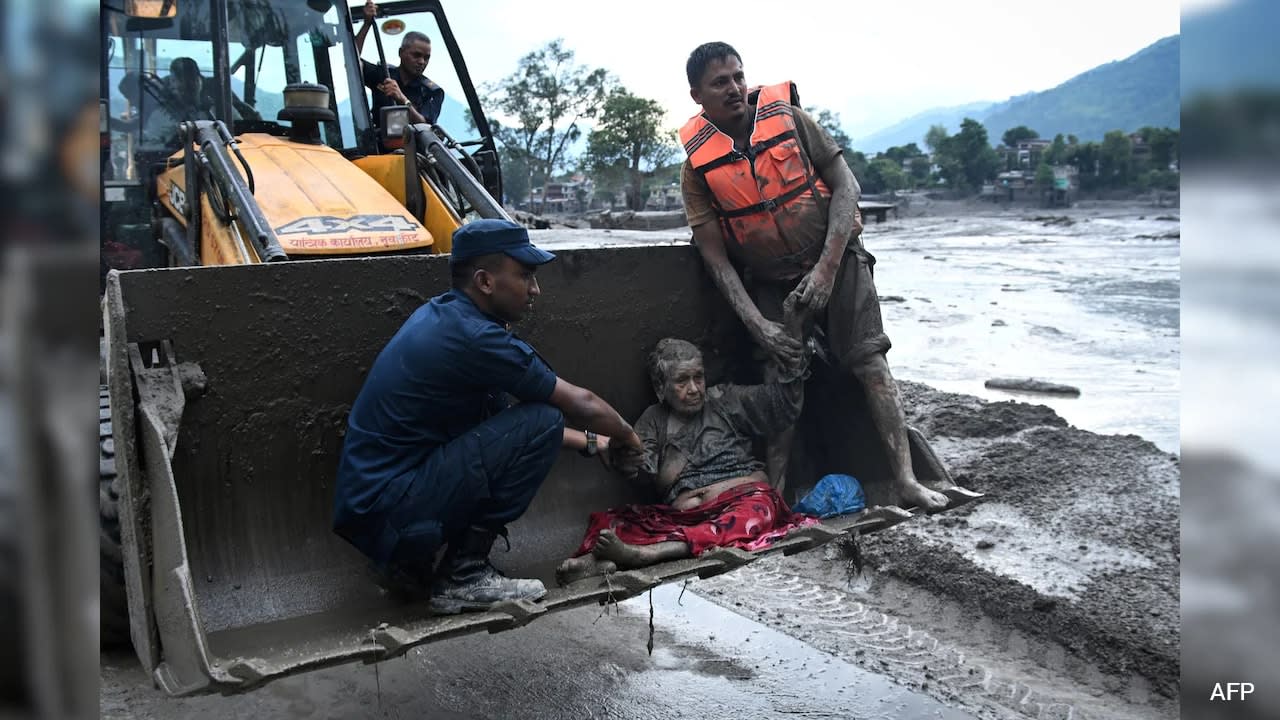
Nepal is seeking climate compensation from major nations following a devastating glacier collapse that killed over 1,100 people. Scientists identified clear warning signs days before the disaster, highlighting the urgent need for better early warning systems and transboundary cooperation.
The Himalayan Crisis: Analyzing the Nepal Glacier Collapse
A catastrophic glacier collapse along the Nepal-China border has resulted in a staggering death toll of over 1,100 people, marking one of the most severe climate-induced disasters in recent regional history. The event, which triggered massive landslides and flash floods, has now become the focal point of a significant diplomatic shift in how vulnerable nations address climate-related losses.
The Failure of Early Warning Systems
New findings from the HiRISK scientific consortium suggest that this tragedy may have been partially preventable. Scientists identified clear 'pre-event indications' in the days leading up to the collapse, specifically citing the appearance of brown meltwater and a propagating crack in the bedrock. These visual indicators serve as a grim reminder that while the Himalayan region is geologically volatile, the current lack of operational, real-time early warning systems leaves remote communities dangerously exposed to cascading mountain hazards.
Transitioning from Aid to Justice
In the wake of the disaster, Nepal's foreign minister, Shisir Khanal, has fundamentally altered the nation's diplomatic approach by framing recovery efforts as 'moral liability' rather than charitable aid. By seeking climate compensation from major emitters—specifically India, China, and the United States—Nepal is asserting that it is paying the 'ultimate price' for a global climate crisis it did not create. This pivot from a humanitarian aid framework to one of climate justice signals a growing trend among developing nations to hold industrialized powers accountable for the disproportionate impacts of global warming.
Transboundary Challenges and Scientific Monitoring
The geography of the Himalayas necessitates a higher level of international cooperation. Because the disaster originated in a transboundary zone between Nepal and China, the management of such hazards requires seamless data sharing and joint monitoring. Experts are now stressing that comprehensive surveillance of glaciers and slope stability must be integrated across borders to protect downstream populations. Without such cooperation, the physical reality of melting glaciers will continue to threaten the stability of the entire region.
Future Trends in Climate Diplomacy
This event is likely to serve as a bellwether for future climate negotiations. As 'mountain tsunamis' and glacial lake outburst floods become more frequent due to rising temperatures, nations with negligible greenhouse gas contributions are increasingly likely to demand compensation for the loss and damage incurred. The Nepal tragedy provides a stark, empirical case study for why the international community must prioritize both financial reparations and the technical infrastructure required for mountainous climate resilience.
Multiple Citing Sources
Verification Required?