Victims sue South African government over 1961 Sharpeville massacre that left 91 dead
Source Entity
Rachel Savage in Sharpeville
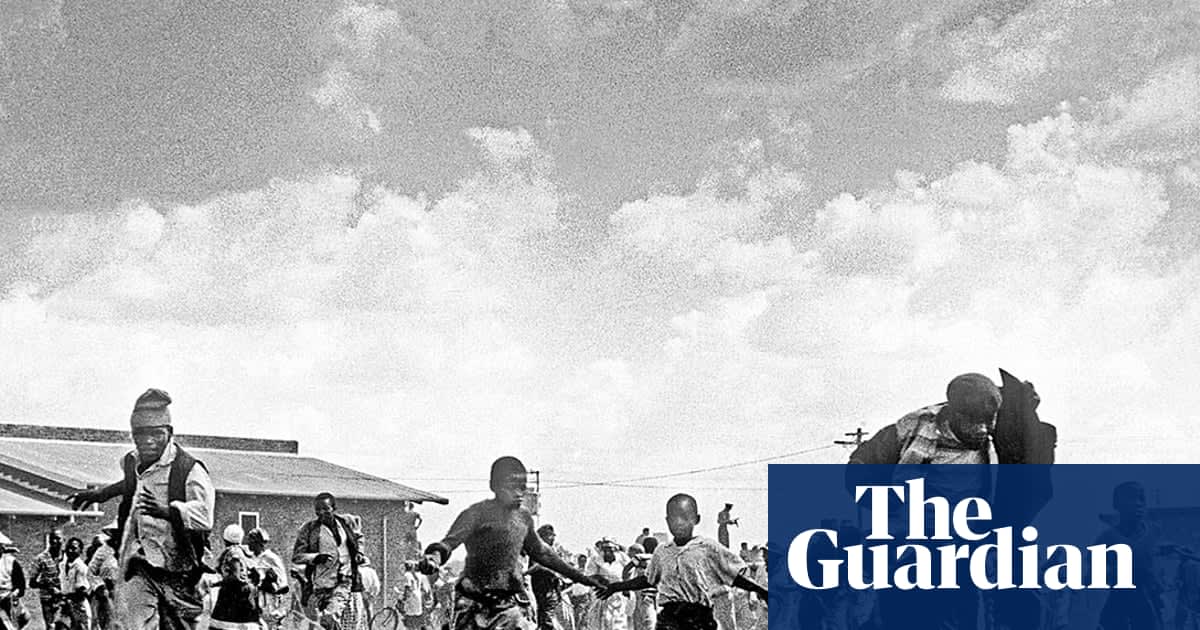
Survivors and families of victims from the 1960 Sharpeville massacre are suing the South African government for reparations. The lawsuit addresses the brutal police crackdown on protesters demonstrating against apartheid-era pass laws.
The Sharpeville Massacre: A Legacy of Struggle for Justice
The Historical Context of the 1960 Protest
On March 21, 1960, the township of Sharpeville became the site of a defining tragedy in the history of South African apartheid. Residents gathered to peacefully demonstrate against the oppressive 'pass laws,' a cornerstone of the apartheid regime that forced Black, Indian, and Coloured South Africans to carry identification documents at all times. These documents restricted movement and served as a constant tool for state surveillance and control, deeply dehumanizing the majority population.
The Day the Violence Unfolded
The protest, organized by the Pan Africanist Congress (PAC)—a group that had broken away from the African National Congress—was intended to be a non-violent assertion of rights. Abraham Mofokeng, a 20-year-old factory worker at the time, recalled the day beginning with bright, optimistic weather, completely masking the impending brutality. The sudden shift from a peaceful demonstration to a massacre left 91 people dead, marking a turning point that would galvanize the anti-apartheid movement globally.
The Legal Pursuit of Accountability
Decades later, the echoes of that day remain active in the courtroom. Victims and their families are now suing the South African government, seeking redress for the state-sanctioned violence that claimed lives and left many, like Mofokeng, with permanent physical injuries. This legal action highlights the ongoing struggle for restorative justice in post-apartheid South Africa, as survivors seek recognition and compensation for the trauma inflicted by the state's security apparatus.
Broader Implications of State Accountability
The lawsuit serves as a critical examination of how nations address historical state crimes. By holding the government accountable for the actions of its predecessor, the plaintiffs are challenging the boundaries of legal liability and the state's responsibility to acknowledge past atrocities. This case underscores the reality that for many survivors, the end of apartheid did not automatically result in the closure of their personal grievances or the healing of physical and emotional scars.
Future Trends in Human Rights Litigation
This case sets a significant precedent for future human rights litigation in Africa and beyond. It signals a shift toward utilizing the judiciary to force governments to reckon with systemic historical abuses. As the world watches these proceedings, the outcome will likely influence how other nations handle reparations and truth-telling initiatives, proving that the demand for justice, even over half a century later, remains a powerful force in political discourse.