Nepal PM Told To Ditch Sunglasses In Parliament, Gets Medical Exemption
Source Entity
NDTV News Search Records Found 1000
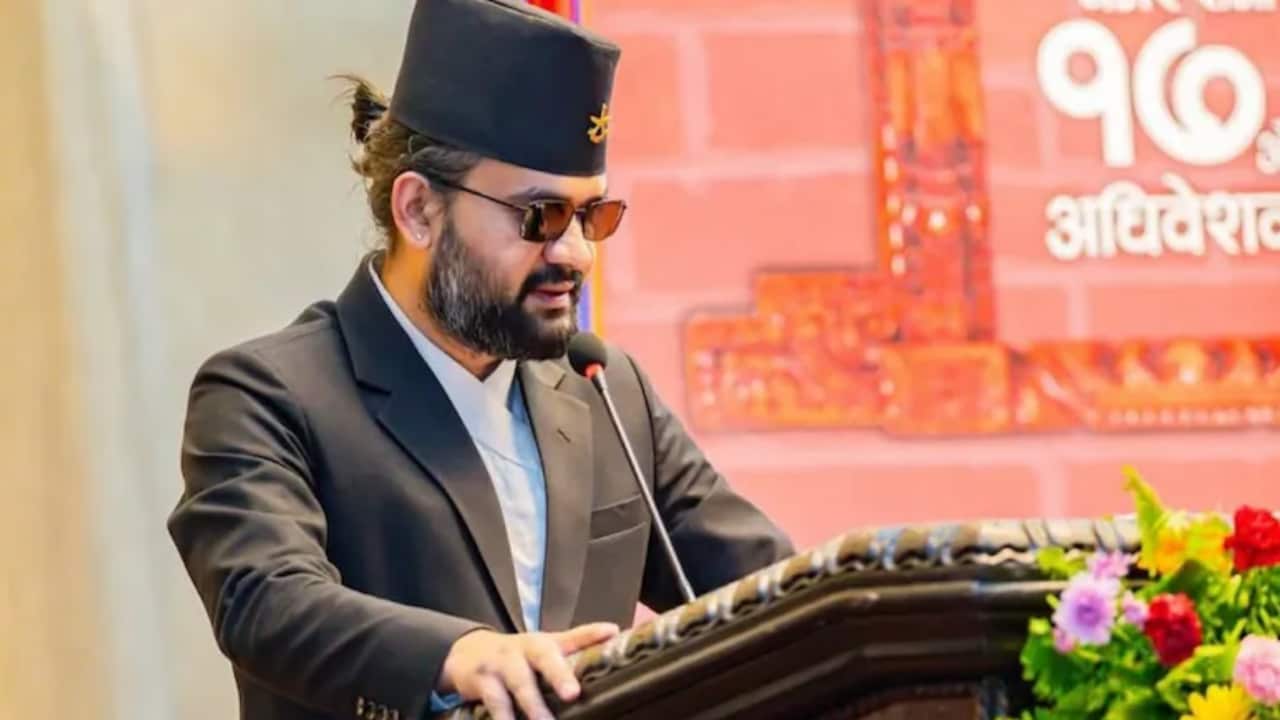
Nepal's Prime Minister was advised by Speaker Dol Prasad Aryal to remove his sunglasses during parliamentary proceedings. The Prime Minister subsequently secured a medical exemption to continue wearing them.
Parliamentary Protocol and the Prime Minister's Attire
In a recent development within the Nepalese Parliament, Speaker Dol Prasad Aryal issued a directive advising Prime Minister Pushpa Kamal Dahal to refrain from wearing dark sunglasses while inside the legislative chamber. This intervention highlights the intersection between formal parliamentary decorum and the personal requirements of public officials, sparking a brief discussion regarding the standards of professional conduct expected within Nepal’s highest legislative body.
The Role of Parliamentary Decorum
Parliamentary chambers are traditionally governed by strict rules of dress and conduct, intended to maintain the gravity and solemnity of the democratic process. By requesting that the Prime Minister remove his eyewear, Speaker Aryal was asserting the authority of the Chair to uphold these standards. Such requests are common in legislative bodies worldwide, where the visual presentation of leadership is often viewed as an extension of the institution's dignity and transparency.
Medical Necessity and Public Office
Following the Speaker's initial guidance, the Prime Minister clarified the necessity of his eyewear, ultimately obtaining a medical exemption. This shift underscores the reality that even the highest-ranking officials are subject to health-related limitations. The resolution of this issue demonstrates a balance between maintaining rigid institutional protocols and accommodating the physical well-being of government leaders, ensuring that the Prime Minister can perform his duties without discomfort.
Implications for Transparency and Protocol
While the incident was relatively minor, it reflects the ongoing scrutiny of political figures in Nepal. In an era where every movement of a head of state is monitored, the choice of attire—including sunglasses—can be subject to public interpretation. The Speaker's intervention served as a reminder that the chamber's rules apply to all members, regardless of rank, though the subsequent exemption highlights the pragmatic approach taken toward medical necessity.
Historical Precedent and Future Trends
Legislative bodies often evolve their rules to reflect contemporary needs, and this event may lead to more nuanced discussions regarding 'reasonable accommodations' for elected officials. As Nepal continues to navigate its democratic path, the tension between traditional legislative etiquette and modern practicalities will likely remain a point of interest. This incident serves as a case study for how parliamentary chairs manage the delicate balance of enforcing tradition while respecting the individual health concerns of their members.
Verification Required?