"Kept Chanting Mahamantra ": Nepal Tunnel Worker On Rescue After 9 Days
Source Entity
NDTV News Search Records Found 1000
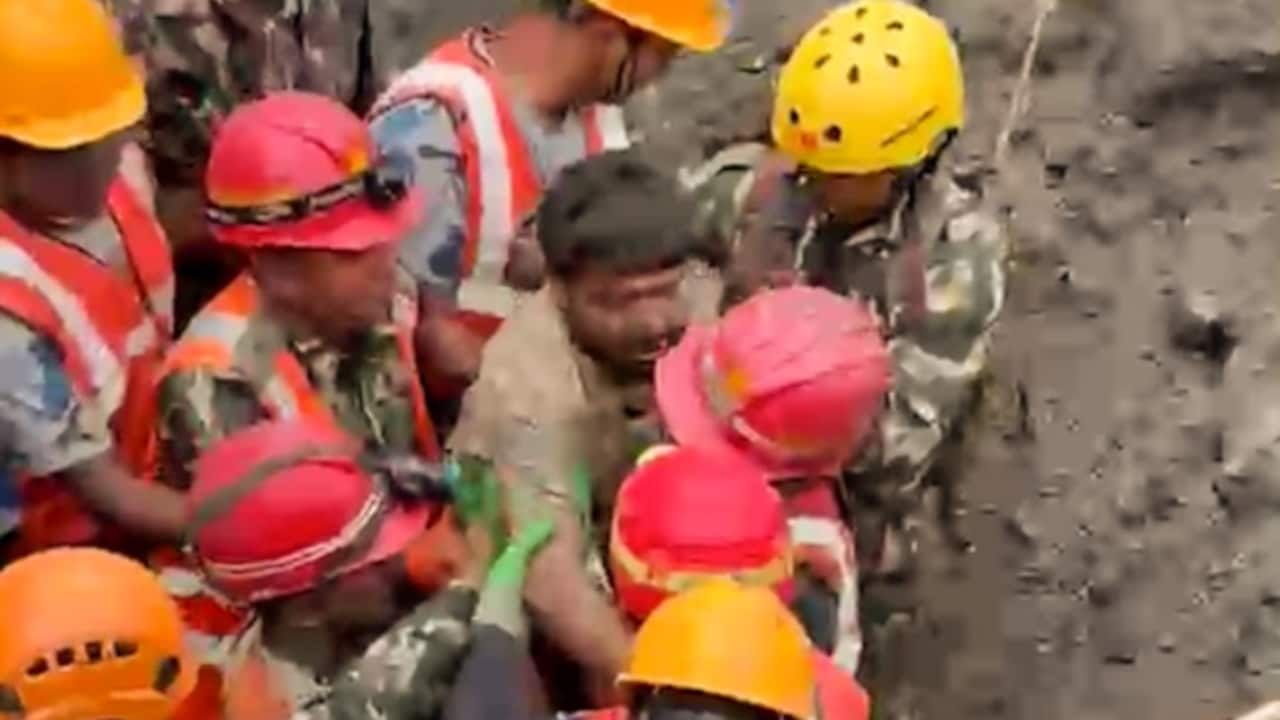
Rescuers are continuing efforts to locate survivors in tunnels along Nepal's Trishuli River following catastrophic glacial floods that have left over 1,250 dead. While some missing tourists have made contact, thousands remain unaccounted for, including pilgrims near the Kailash Mansarovar region.
The Nepal-Tibet Glacial Disaster: A Search for Hope
Eight days following the catastrophic flash floods triggered by a glacial collapse in the Himalayas, the situation on the Nepal-Tibet border remains dire. With the death toll currently standing at over 1,250 and more than 4,200 individuals still reported missing, the scale of the tragedy is immense. The disaster, which sent torrents of water and debris surging through villages and critical infrastructure, has left the nation in a state of profound grief and urgent mobilization.
The Tunnel Crisis: A Race Against Time
One of the most harrowing aspects of this disaster is the fate of those trapped within hydropower infrastructure. Approximately 900 people are feared to be caught inside six different hydropower plants along the Trishuli River. Rescue teams, supported by international correspondents like the BBC’s Azadeh Moshiri, are focusing their efforts on these tunnels, which have been inundated with mud and silt. The recent successful extraction of two individuals from a tunnel offers a rare glimmer of hope, though conditions remain extremely hazardous for both rescuers and the trapped survivors.
The Human Cost and International Impact
Beyond the local casualties, the disaster has had a significant international reach. Hundreds of foreign nationals remain unaccounted for, and the impact extends to the Indian diaspora, particularly among pilgrims traveling toward the sacred Kailash Mansarovar region. In Kathmandu, the social toll is visible at the “wall of the missing,” where families gather in search of answers. The initiation of symbolic funerals for those still lost underscores the grim reality that time is rapidly running out for many of the missing.
Environmental Context of Glacial Collapse
This event highlights the increasing fragility of high-altitude ecosystems. The “glacial collapse” described by authorities demonstrates the volatile nature of the Himalayan landscape under changing environmental conditions. When such a collapse occurs, it releases massive volumes of water instantaneously, turning mountain streams into lethal torrents that carry boulders and debris, effectively erasing entire villages and infrastructure in their path.
Future Implications and Challenges
Looking ahead, the recovery process will be monumental. Nepal faces the dual challenge of conducting ongoing search operations while managing the long-term displacement of thousands. The destruction of key infrastructure, including hydropower facilities, will have lasting economic consequences for the region. As search operations continue, the focus will likely shift toward disaster mitigation and the need for improved early warning systems in high-risk zones near glacial lakes, ensuring that such a tragedy does not repeat with the same devastating impact.
Conclusion
While the rescue of survivors brings a momentary surge of optimism, the vast number of missing individuals suggests that the recovery phase will be long and emotionally taxing. The international community continues to watch closely as Nepal navigates this humanitarian crisis, balancing the immediate need for search and rescue with the difficult task of mourning and reconstruction.
Multiple Citing Sources
Verification Required?