'Layer upon layer of miracles': How Nepal flood survivors were rescued from tunnel
Source Entity
BBC News
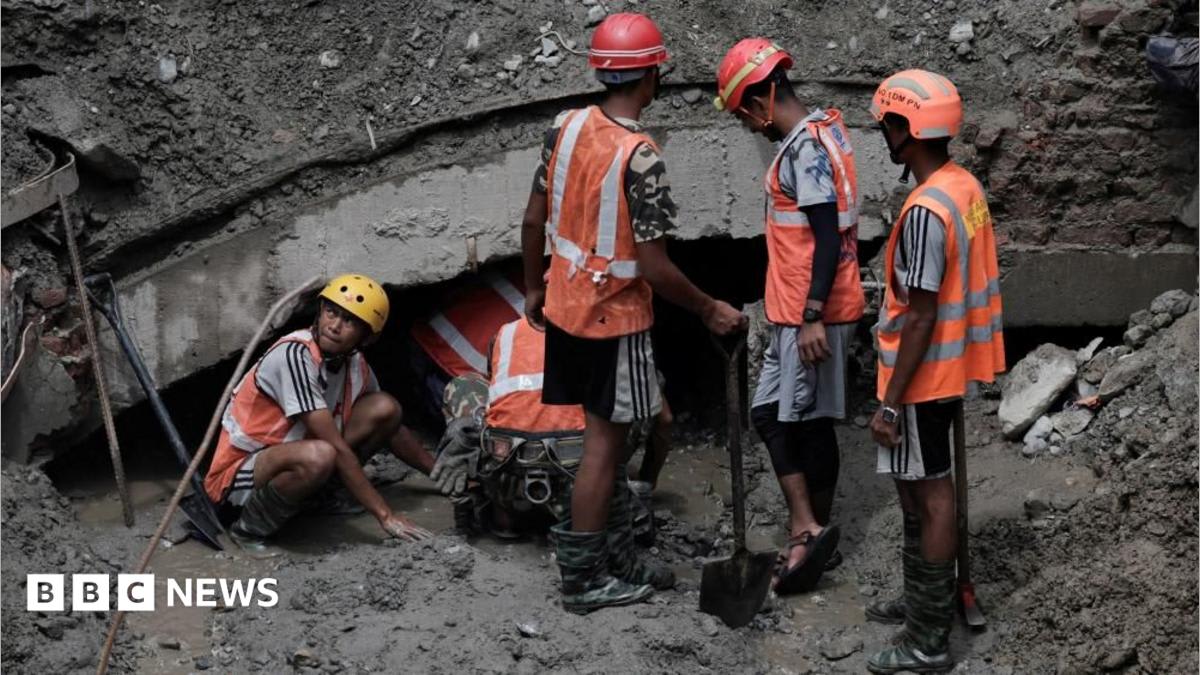
Rescuers are continuing efforts to find survivors trapped in hydropower tunnels eight days after devastating glacial floods in Nepal. With over 1,200 confirmed dead and thousands missing, the situation remains critical as international search operations persist.
The Catastrophic Aftermath: Nepal’s Fight for Survival
Eight days following the catastrophic flash floods that decimated the Nepal-Tibet border region, the humanitarian crisis remains severe. Triggered by a massive glacial collapse high in the Himalayas, the subsequent surge of water and debris has claimed at least 1,252 lives, with over 4,200 individuals still reported missing. The scale of the disaster, which swept through remote roads and villages, has placed an immense strain on local infrastructure and rescue capabilities.
The Struggle Within the Tunnels
A primary focus of current rescue operations is the extraction of survivors from hydropower plant tunnels along the Trishuli River. Reports indicate that approximately 900 people are feared trapped within six distinct hydropower facilities. The successful rescue of two individuals from a tunnel, captured on video, has provided a critical glimmer of hope, though conditions remain dire. Rescuers on the ground, including BBC South Asia correspondent Azadeh Moshiri, describe the environment as being overwhelmed by thick mud and silt, which significantly hinders movement and visibility.
Impact on International Travelers
The disaster has had a profound impact on the international community, with hundreds of foreign nationals unaccounted for. Among those missing are numerous Indian nationals and individuals of Indian origin, many of whom were pilgrims traveling toward the sacred Kailash Mansarovar region. The recent contact made by a small number of previously missing tourists has offered a slight reprieve, yet the uncertainty for the majority of families persists as they search for loved ones.
A Community in Mourning
In Kathmandu, the emotional toll of the tragedy is visibly manifest at the “wall of the missing,” where families gather to post notices and search for information. The psychological impact of the event is compounded by the inability to recover remains, leading many families to begin holding symbolic funerals for their missing relatives. The destruction of entire villages, now reduced to nothing but mud and silt, underscores the overwhelming nature of this environmental disaster.
Broader Implications and Future Outlook
This event highlights the increasing vulnerability of Himalayan regions to climate-related hazards, specifically glacial lake outbursts and collapses. As rescue teams continue to navigate the debris-strewn landscape, the logistical challenges of reaching isolated sites remain a major obstacle. The long-term recovery will require a significant international effort to address not only the immediate search and rescue needs but also the reconstruction of vital infrastructure, such as the damaged hydropower plants that are essential for the region's energy stability and economic recovery.
Multiple Citing Sources