Patrick Clancy's outing with Dr Rachel Danis amid Lindsay Clancy's trial draws backlash from ex-FBI agent: ‘Find it odd’
Source Entity
Latest News: Todays Latest News Headlines from India & World | Hindustan Times | Hindustan Times
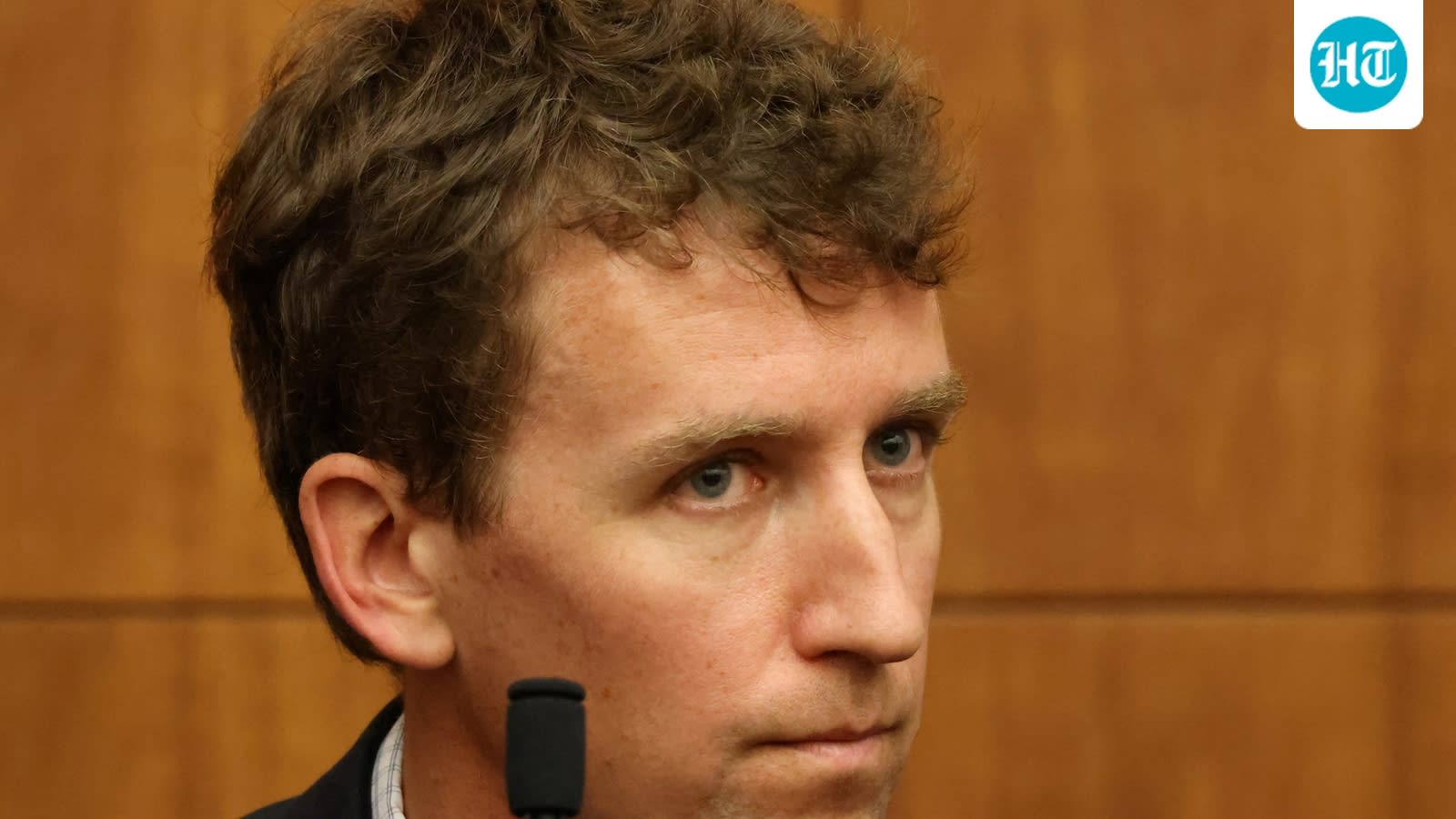
Patrick Clancy faces public scrutiny from former FBI agent Jennifer Coffindaffer after being photographed with his new wife, Dr. Rachel Danis, during the ongoing trial of Lindsay Clancy. The trial, which concerns the tragic 2023 death of their three children, remains in a delicate state of jury deliberation.
The Intersection of Tragedy and Public Scrutiny
The ongoing legal proceedings surrounding the tragic deaths of Cora, Dawson, and Callan Clancy have reached a critical juncture, bringing the personal life of their father, Patrick Clancy, into the center of public discourse. On January 24, 2023, the Clancy family suffered an unimaginable loss, leading to the trial of Lindsay Clancy, who stands accused of the deaths of their three children. As the jury enters the final stages of deliberation, the emergence of photographs depicting Patrick Clancy with his new wife, Dr. Rachel Danis, has sparked a wave of intense public debate and criticism.
The Role of Public Perception and Expert Commentary
Former FBI agent Jennifer Coffindaffer has become a prominent voice in this discourse, publicly questioning the timing and optics of Patrick Clancy’s public appearances. Coffindaffer, whose professional background involves years of analyzing human behavior in high-stakes legal environments, has explicitly stated that while she does not hold Patrick responsible for the actions that led to the children's deaths, she finds the decision to be seen in public with his new spouse during the trial proceedings to be deeply unusual. This critique highlights the tension between personal healing and the performative expectations placed upon survivors during high-profile criminal trials.
Analyzing the Context of the Backlash
The backlash, as voiced by Coffindaffer, is rooted in the perceived insensitivity of the timing. With the jury currently deliberating, the trial is at its most sensitive phase, where every external variable can potentially color the atmosphere surrounding the courtroom. By appearing with Dr. Rachel Danis, Patrick Clancy has inadvertently invited scrutiny into his private life, shifting the focus—at least momentarily—from the judicial process to his personal recovery. This situation underscores a broader trend where the families of defendants and victims alike are subjected to intense scrutiny, often complicating their ability to navigate private grief in a public arena.
The Complexity of Grief and Recovery
It is essential to distinguish between legal culpability and the social expectations of grief. Coffindaffer’s commentary is careful to note that Patrick is not a participant in the alleged crimes, yet the social pressure for him to maintain a specific public image remains high. This dichotomy reflects the lack of a universal 'script' for how individuals should conduct themselves following a trauma of this magnitude. When such personal milestones, like remarriage, intersect with ongoing judicial accountability, the public often struggles to reconcile the survivor's need for a future with the gravity of the past.
Future Implications and Trial Dynamics
The current status of the trial, marked by reports of a single holdout in the jury, suggests that the legal outcome is far from certain. As the judicial system works to reach a verdict, the external noise surrounding the case, including the social media reactions to Patrick Clancy’s life, serves as a backdrop to the proceedings. The scrutiny faced by the family will likely continue until a final judgment is rendered, reminding us that in the digital age, the personal lives of those touched by tragedy are rarely shielded from the reach of public opinion, regardless of their direct involvement in the crimes being adjudicated.
Verification Required?