Watch: Moment workers are rescued from Nepal tunnel
Source Entity
BBC News
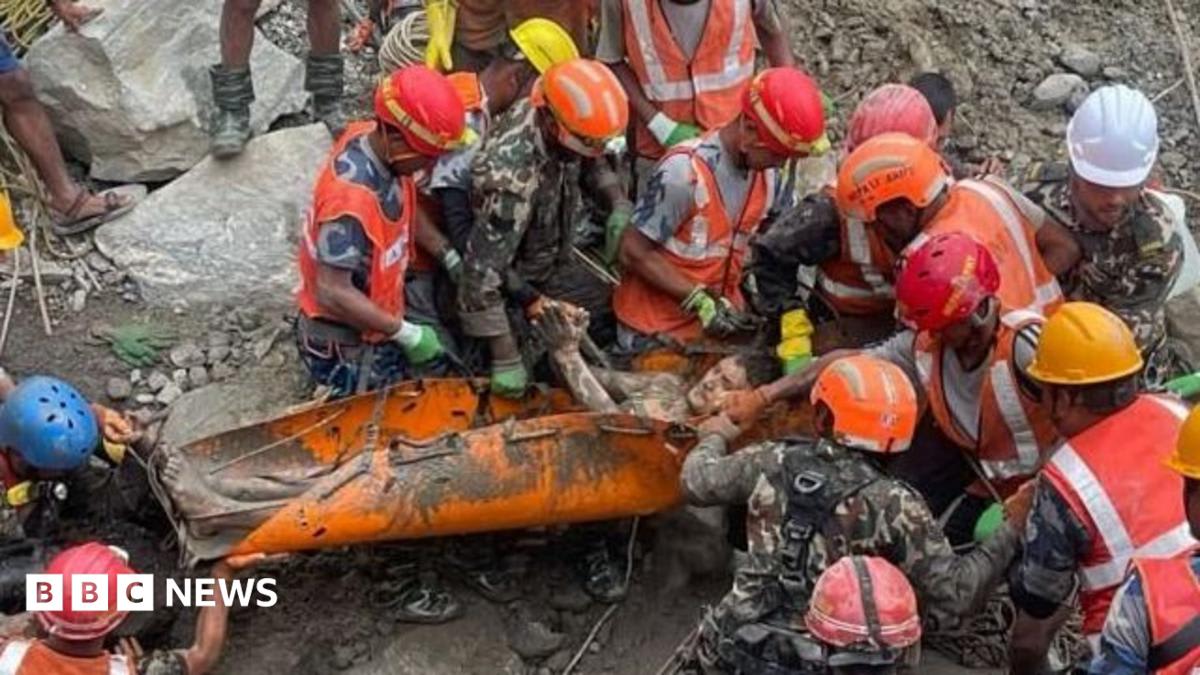
Rescuers are continuing search operations in Nepal eight days after catastrophic glacial floods left over 1,200 dead and 4,200 missing. While some tourists have successfully made contact, hundreds remain trapped in hydropower tunnels, marking a slow and desperate recovery effort.
The Nepal-Tibet Glacial Disaster: A Search for Hope
Eight days following the catastrophic flash floods triggered by a glacial collapse in the Himalayas, rescue operations remain in a critical phase. The disaster, which devastated the border region between Nepal and Tibet, has resulted in a staggering death toll of at least 1,252 people, with over 4,200 individuals still reported missing. The scale of the destruction is immense, as floodwaters laden with debris obliterated roads and villages, leaving behind landscapes described as nothing but "mud and silt."
The Tunnel Crisis and Hydropower Infrastructure
One of the most harrowing aspects of this disaster involves the approximately 900 people feared trapped within six hydropower plants along the Trishuli River. These tunnels, intended for energy production, became death traps when the sudden influx of water and sediment surged through the infrastructure. While rescuers recently managed to pull two survivors from a tunnel, the logistical challenges of reaching these subterranean spaces are immense, as heavy machinery and specialized teams struggle against the unstable, debris-filled environment.
International Impact and Missing Persons
The crisis has transcended national borders, affecting hundreds of foreign nationals who were in the region at the time of the flood. Among those missing are Indian nationals and pilgrims traveling toward the sacred Kailash Mansarovar region, a journey that traverses some of the most vulnerable terrain in the Himalayas. The presence of these international travelers has turned the search into a complex multi-national effort, as embassies coordinate with Nepali authorities to locate citizens.
The Human Toll and Symbolic Mourning
In Kathmandu, the emotional weight of the tragedy is palpable as families gather at the "wall of the missing," an improvised space where photos and names are posted in a desperate attempt to find loved ones. As time passes, the transition from rescue to recovery is becoming agonizingly real, with some families beginning to hold symbolic funerals for those still unaccounted for. The glimmer of hope provided by a few tourists who have recently made contact serves as a poignant reminder of the unpredictability of survival in such extreme conditions.
Broader Implications and Future Trends
This disaster highlights the increasing vulnerability of Himalayan infrastructure to climate-induced events, specifically glacial collapses. As glacial retreat accelerates due to warming temperatures, the risk of sudden, high-magnitude flooding in narrow river valleys increases significantly. The destruction of hydropower plants and vital transport corridors suggests that future regional development will require much more robust engineering standards and early warning systems to mitigate the impact of such "black swan" geological events.
Conclusion
While the rescue efforts continue to yield isolated successes, the sheer magnitude of the missing population suggests a long and difficult road ahead for the region. The focus remains on the tunnels and remote areas where survivors may still be holding out against the elements. As the international community watches, the tragedy serves as a stark warning of the environmental risks inherent in the high-altitude topography of the Nepal-Tibet border.
Multiple Citing Sources