Amid Benjamin Netanyahu's calls for unity government, Gadi Eisenkot says ‘these tricks don't work’
Source Entity
Latest News: Todays Latest News Headlines from India & World | Hindustan Times
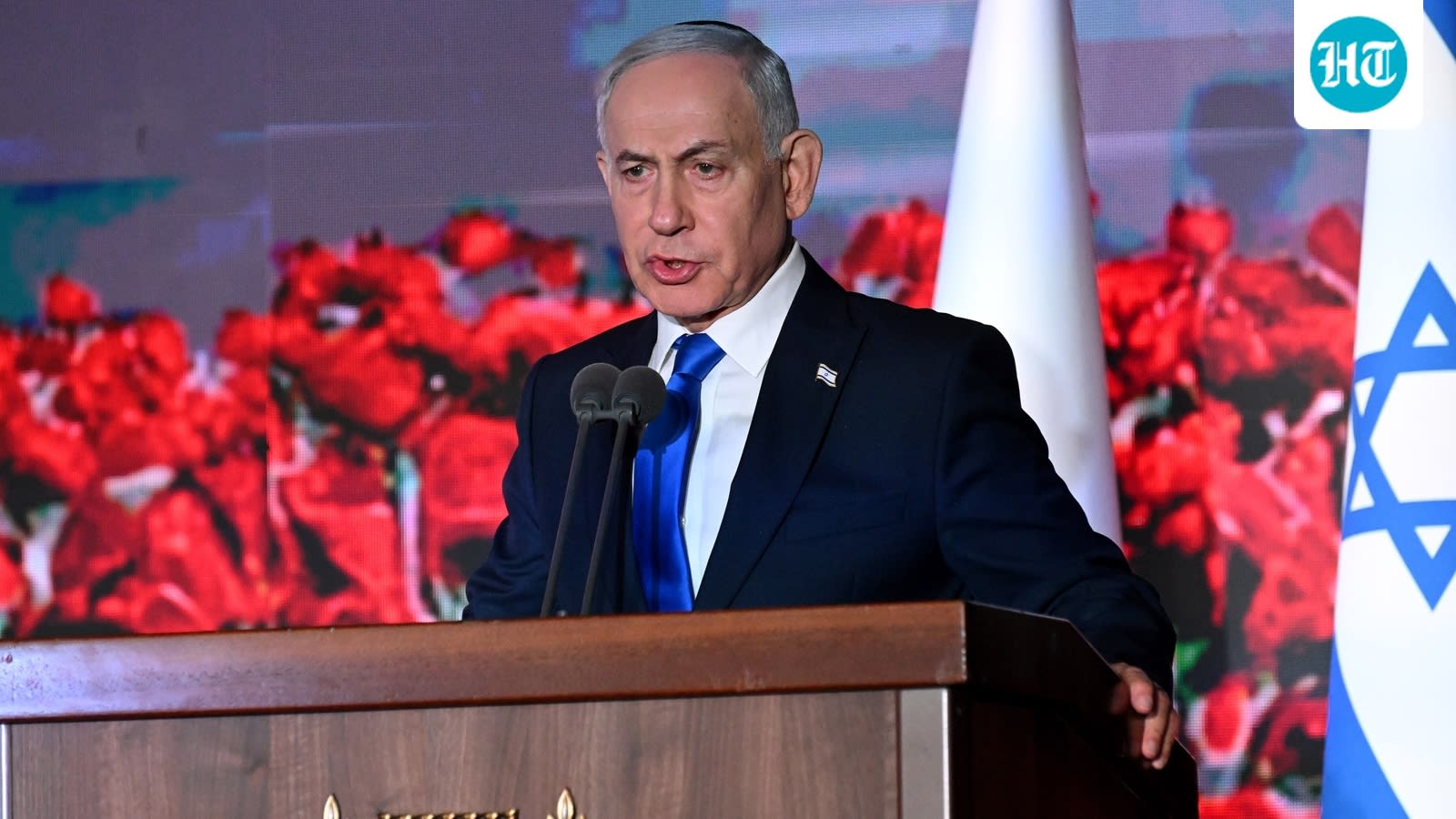
Israeli Prime Minister Benjamin Netanyahu has renewed calls for a national unity government to address security threats, but rival Gadi Eisenkot has rejected the overture as a political ruse. The rejection highlights the deep-seated mistrust and ongoing power struggle currently paralyzing the Israeli political landscape.
The Deepening Divide in Israeli Governance
The political landscape in Israel remains characterized by intense volatility, as evidenced by the recent, highly public disagreement between caretaker Prime Minister Benjamin Netanyahu and his rival, Gadi Eisenkot. Netanyahu’s persistent call for a national unity government serves as a strategic maneuver intended to consolidate authority during a period of significant domestic and regional instability. However, Eisenkot’s swift dismissal of these overtures as "political tricks" underscores the profound lack of trust that currently defines the relationship between the nation's political elite.
Security as a Political Lever
Netanyahu’s rhetoric, specifically his assertion that a unity government is a prerequisite for neutralizing the "Iranian threat," represents an attempt to frame his political survival as a matter of national security. By linking the formation of a unity government to the existential goal of eliminating foreign threats, the Prime Minister is attempting to place his opponents in a difficult position; rejecting his offer could be portrayed as prioritizing partisan interests over the safety of the Israeli public. This framing is a classic political tactic designed to force rivals into a coalition where they might have limited influence.
The Mechanics of Distrust
For Gadi Eisenkot, who is currently engaged in the delicate process of negotiating a government mandate, Netanyahu’s calls are viewed as a calculated distraction. Having been tapped for the premiership, Eisenkot is focused on building a coalition that excludes the current caretaker administration. His characterization of the offer as a "ruse" suggests that he perceives the Prime Minister’s motives as purely self-serving, aimed at stalling the opposition's momentum rather than fostering genuine consensus. This deadlock reflects a broader, historical pattern in Israeli politics where ideological divides are often exacerbated by personal animosity.
Implications for Coalition Building
This exchange is occurring at a critical juncture in the government formation process. With Eisenkot leading negotiations, the Prime Minister’s public video statement serves to undermine the legitimacy of those efforts by casting doubt on the stability of any alternative government. If the current caretaker administration continues to broadcast these calls for unity, it may further polarize the electorate and complicate the task of finding common ground among the fractured parties currently vying for power.
Future Trends and Political Stagnation
Looking forward, the persistence of these political "tricks" suggests that Israel may face continued instability. If the current attempt to form a government fails, the nation could once again find itself in a cycle of protracted negotiations or even early elections. The inability of political actors to move past these tactical maneuvers indicates a deep-seated structural issue within the current political system, where the pursuit of short-term leverage frequently outweighs the long-term objective of achieving a stable and functional governing coalition.
Conclusion
The standoff between Netanyahu and Eisenkot serves as a microcosm of the current Israeli political crisis. While the Prime Minister highlights the necessity of unity to address grave external threats, the opposition remains convinced that these calls are merely tools for political maneuvering. Until there is a fundamental shift in the way these actors interact, the path toward a stable, unified government remains blocked by the weight of historical grievances and the ongoing struggle for political dominance.
Verification Required?