Netanyahu's Iran attack plan before Israel polls stopped after operative tipped off US
Source Entity
TRISHA MAHAJAN
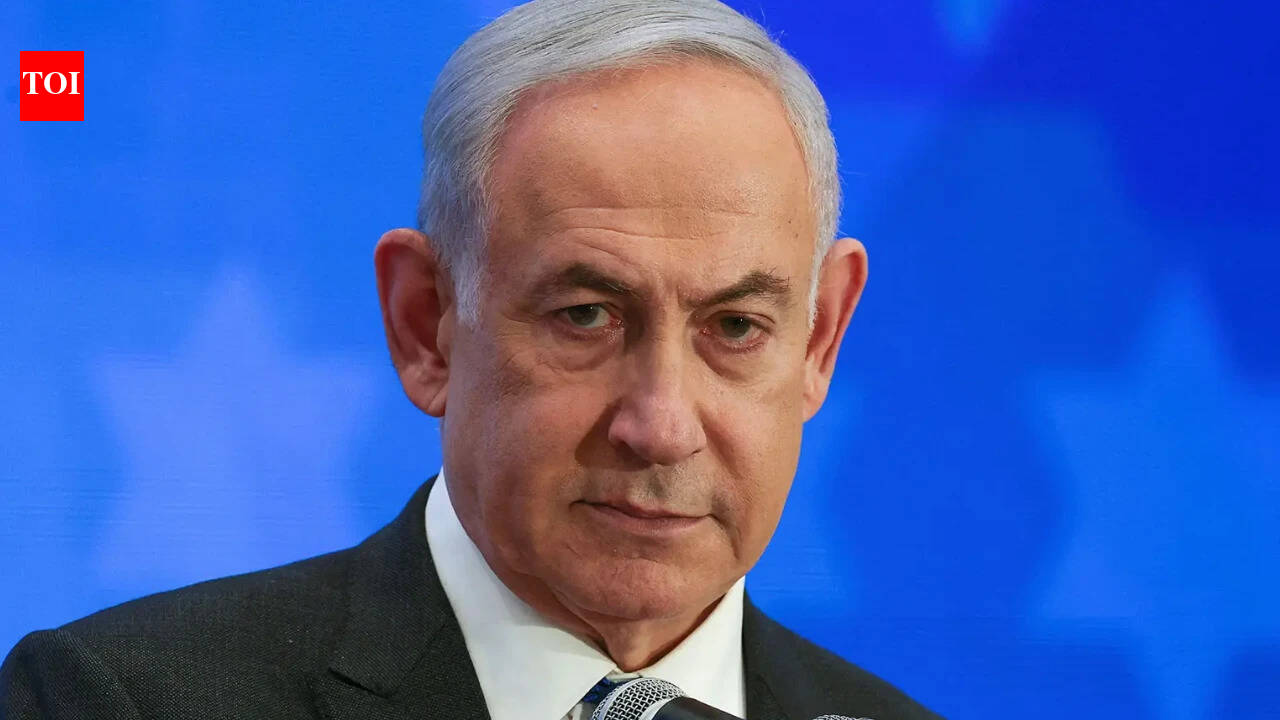
Reports suggest Prime Minister Benjamin Netanyahu planned a pre-election operation against Iran that was thwarted by a US intervention following an intelligence leak. While Netanyahu's office denies these claims, the incident highlights deep internal divisions within Israel's security establishment.
The Shadow of Conflict: Analyzing the Reported Iran Strike Plan
Recent reports have surfaced alleging that Israeli Prime Minister Benjamin Netanyahu, in coordination with Mossad chief Roman Gofman, sought to initiate a military operation against Iran shortly before the October 27 election. The narrative suggests that this plan was intended to be a significant strategic maneuver, yet it was ultimately aborted after the United States received a tip-off from an Israeli security operative. This revelation has sent shockwaves through the political landscape, raising questions about the threshold for military engagement during sensitive electoral periods.
Internal Dissent and the Security Establishment
The reported opposition from senior Israeli military officials underscores a profound divide between the political leadership and the defense establishment. Figures such as IDF Chief of Staff Eyal Zamir reportedly engaged in a direct confrontation with the Prime Minister over the potential consequences of such an operation. These security experts feared that a strike against Iran would not only destabilize the region but could trigger a catastrophic escalation that Israel was not prepared to manage, particularly in the volatile pre-election window.
The Role of International Oversight
The intervention by the United States serves as a stark reminder of the geopolitical constraints governing Israeli military policy. By acting on the intelligence provided by an operative's slip, Washington effectively acted as a circuit breaker, preventing what could have been a regional conflict. This dynamic highlights the complex nature of the US-Israel alliance, where the US often exerts soft power to moderate Israeli military ambitions when they threaten broader strategic stability or diplomatic efforts, such as the ongoing, delicate talks with Iran.
Political Implications and Denials
In the wake of these reports, the office of Prime Minister Netanyahu has issued a formal rejection, dismissing the claims as inaccurate. However, the persistence of the narrative suggests an ongoing struggle within the Israeli government regarding the handling of the Iranian threat. For the electorate, such reports complicate the political discourse, framing the debate around whether the Prime Minister's security policies are driven by national interest or political survival.
Historical Context and Future Trends
Historically, Israel has maintained a policy of 'active defense' regarding Iran, often utilizing covert operations to delay nuclear advancements. However, the scale of this reported operation suggests a shift toward more overt engagement. Moving forward, the tension between the Prime Minister's office and the IDF leadership will likely remain a critical factor in Israeli foreign policy. If these internal rifts continue, it may influence the country's decision-making process regarding future military operations against regional adversaries.
Conclusion
Ultimately, the incident serves as a case study in the intersection of intelligence, military strategy, and domestic politics. Whether or not the plan was fully formed or merely in the conceptual stages, the fact that it reached the level of a US intelligence alert indicates that the threshold for conflict between Israel and Iran remains dangerously low. As the region navigates these tensions, the role of international mediation and internal institutional checks will remain paramount in preventing an unpredictable and large-scale confrontation.