Seoul fears being sidelined as US reaches out to North Korea
Source Entity
The Indian Express
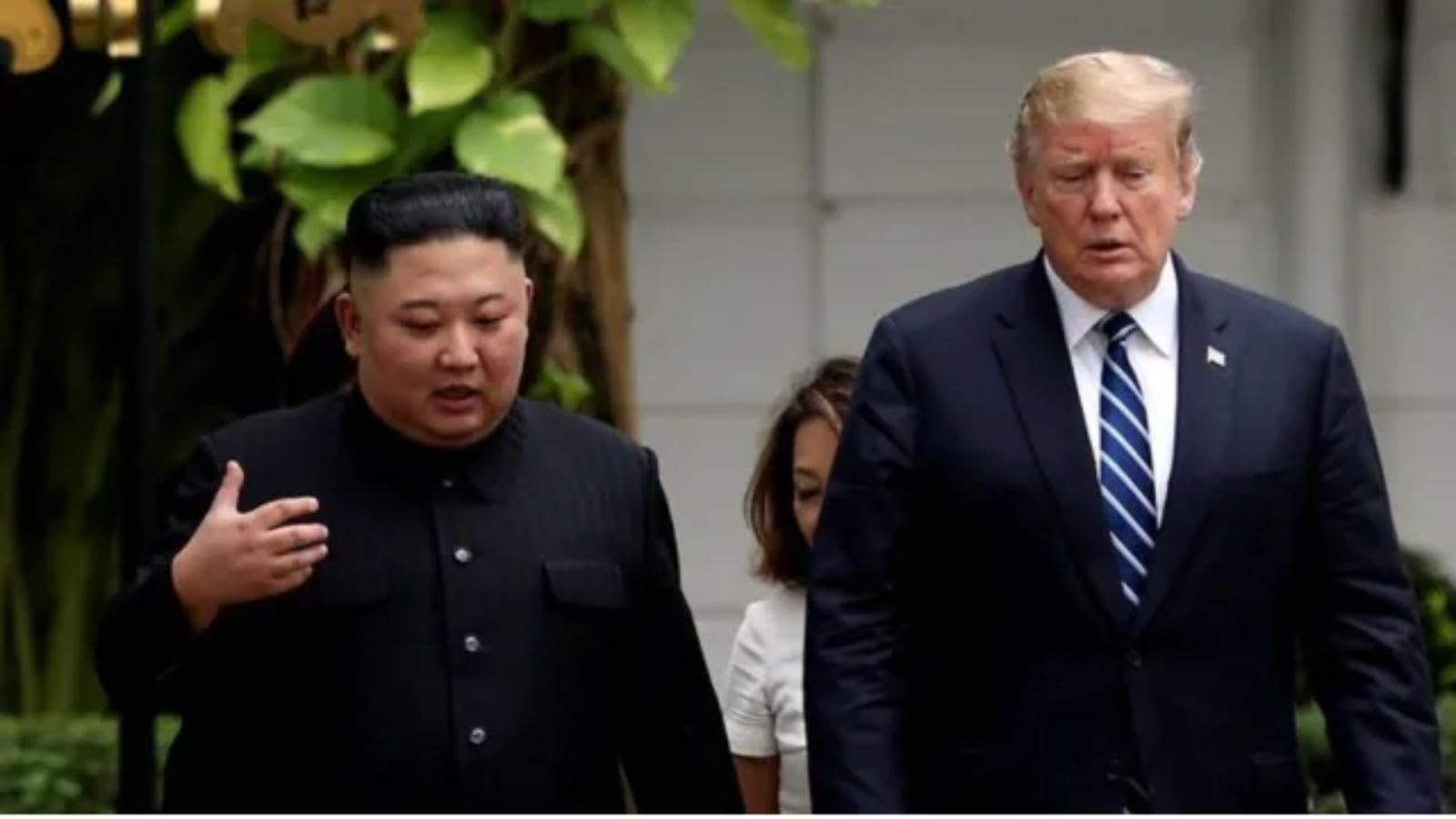
Tensions on the Korean Peninsula have escalated sharply following accusations of mine-planting and a series of North Korean ballistic missile tests. Seoul now fears that potential direct US-North Korea diplomatic outreach could marginalize South Korea's role in regional security.
Escalating Hostility on the Korean Peninsula
The security architecture of the Korean Peninsula is currently facing one of its most volatile periods in recent history. Following a series of provocative actions, including the alleged planting of landmines on the southern side of the demilitarized zone that resulted in injuries to three South Korean soldiers, the diplomatic discourse between Seoul and Pyongyang has effectively collapsed. North Korea’s categorical denial of these actions, framed as a South Korean 'false-flag' operation, underscores the deep-seated lack of trust that defines current inter-Korean relations.
A Pattern of Provocation and Militarization
Beyond the border skirmishes, the regime in Pyongyang has accelerated its military posturing. The recent exhibition of military drones, inspected personally by Kim Jong Un, signals a shift toward modernized, asymmetric warfare capabilities. Combined with the deployment of self-propelled artillery units near the border and the reactivation of psychological warfare through loudspeaker propaganda, North Korea is systematically dismantling the remaining mechanisms of de-escalation that were intended to keep the peace.
The Missile Testing Surge
The firing of approximately 10 short-range ballistic missiles on Thursday serves as a blunt reminder of North Korea's ongoing defiance of international norms. These tests are not merely technical exercises; they are strategic signaling intended to demonstrate the regime's capability to strike regional targets at will. By maintaining this high tempo of testing, Pyongyang is attempting to force a change in the regional status quo, effectively daring the international community to respond while simultaneously hardening its own domestic stance.
The Fear of Diplomatic Sidelining
For the administration in Seoul, these military threats are compounded by a growing geopolitical anxiety: the possibility of being sidelined. There is a palpable fear within South Korean policy circles that the United States, in an attempt to manage the North Korean nuclear threat, might pursue direct diplomatic channels that bypass Seoul’s interests. If Washington prioritizes a bilateral deal with Pyongyang, Seoul risks losing its seat at the table, potentially leaving it vulnerable to security arrangements that do not account for its specific defensive needs.
Future Implications and Strategic Outlook
Looking ahead, the combination of North Korean military aggression and the potential for a shift in US diplomatic strategy creates a precarious environment. If Seoul feels that its security interests are being subordinated to broader US strategic goals, the domestic political pressure on the South Korean government to pursue its own independent military deterrents—or even nuclearization—could intensify. The coming months will likely see a delicate balancing act as Seoul attempts to maintain a unified front with Washington while ensuring its own voice remains central to the future of the Korean Peninsula.