Netanyahu denies report that Trump blocked planned Israeli strike on October 10
Source Entity
TRISHA MAHAJAN
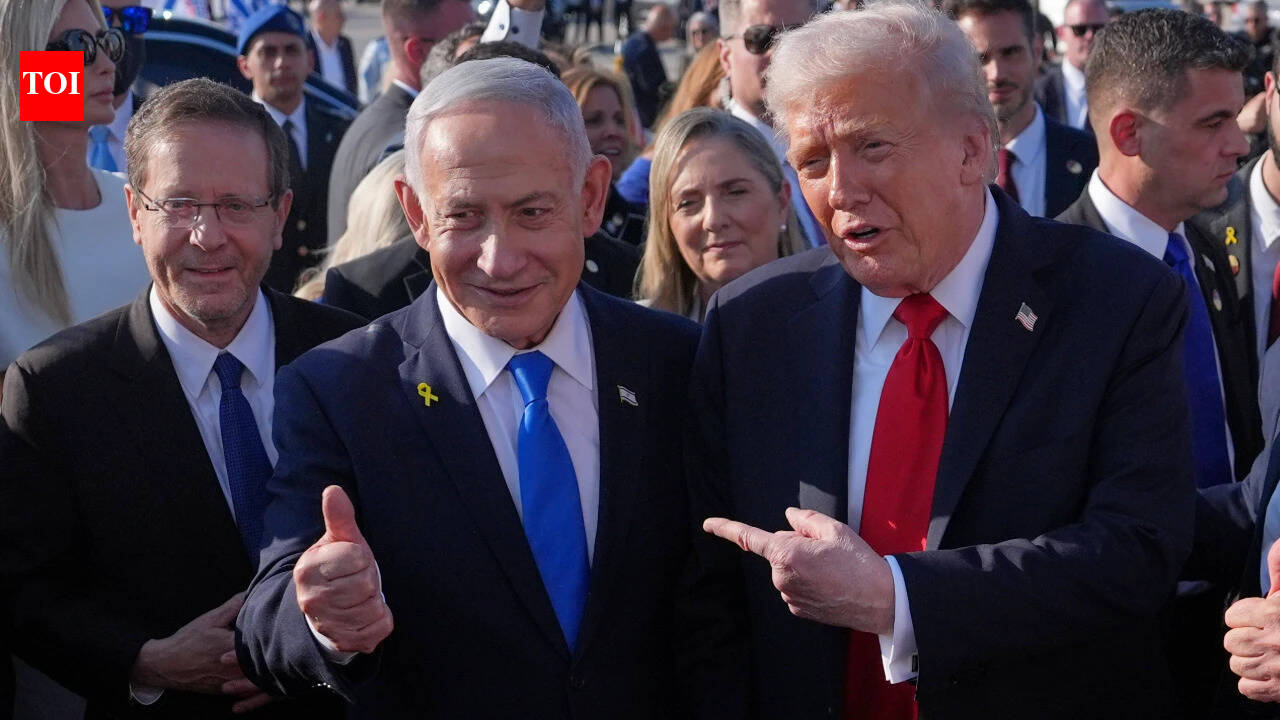
Israeli Prime Minister Benjamin Netanyahu has publicly emphasized a shared goal with the US to confront Iran's nuclear ambitions. Simultaneously, he has dismissed media reports claiming that Donald Trump blocked a planned Israeli military strike on Iranian targets.
The Geopolitical Stance of Israel and the US on Iran
Recent communications between Israeli Prime Minister Benjamin Netanyahu and US President Donald Trump have signaled a deepening alignment regarding regional security concerns, specifically the threat posed by Iran. During a high-stakes video call occurring just one week prior to Israeli elections, Netanyahu underscored that the two nations possess “a job to finish” concerning Iran. This rhetoric highlights a persistent focus on preventing Iran from acquiring nuclear capabilities, a cornerstone of Israeli foreign policy that continues to dictate its military and diplomatic strategy.
Navigating Domestic and International Pressure
The timing of these discussions is critical, as Netanyahu faces significant scrutiny regarding his leadership and the ongoing conflicts involving Iran. With an election looming, the Prime Minister is balancing the need to demonstrate strength and decisive action against foreign adversaries while managing voter expectations. The narrative of a unified front with the United States serves to bolster his credibility, positioning his administration as an essential partner in a global effort to contain regional instability.
Addressing Allegations of Military Interference
Controversy emerged following a Financial Times report suggesting that President Trump allegedly blocked an Israeli military offensive planned for October 10. The report posited that the US administration feared the economic fallout—specifically regarding global fuel prices—ahead of midterm elections. Netanyahu has categorically rejected these claims, labeling the report "incorrect" and asserting that the truth behind such claims eventually surfaces. By dismissing these allegations, Netanyahu aims to preserve the narrative of Israeli autonomy in its defense operations.
Strategic Implications of the 'Job to Finish'
The phrase “a job to finish” carries significant weight in the context of Middle Eastern security. It implies an unfinished agenda that likely includes the neutralization of nuclear infrastructure and the degradation of proxies supported by the Iranian regime. By framing the mission as a joint endeavor, Netanyahu leverages the geopolitical weight of the United States to amplify the pressure on Tehran, suggesting that the current diplomatic and military status quo is insufficient to meet the security requirements of both nations.
Future Trends in Regional Security
Looking ahead, the tension surrounding Iran’s nuclear program is likely to remain the primary driver of Israeli military doctrine. The persistent denial of external interference in Israeli tactical decision-making suggests that Netanyahu intends to maintain a posture of strategic independence, even while seeking close cooperation with Washington. As elections approach and regional dynamics evolve, the rhetoric surrounding the "job to finish" will likely continue to serve as both a rallying cry for domestic support and a stern warning to international actors regarding the limits of Israeli patience regarding Iran.