To Strike Or Not To Strike: Inside Trump, Netanyahu's Iran War Dilemma
Source Entity
NDTV News Search Records Found 1000
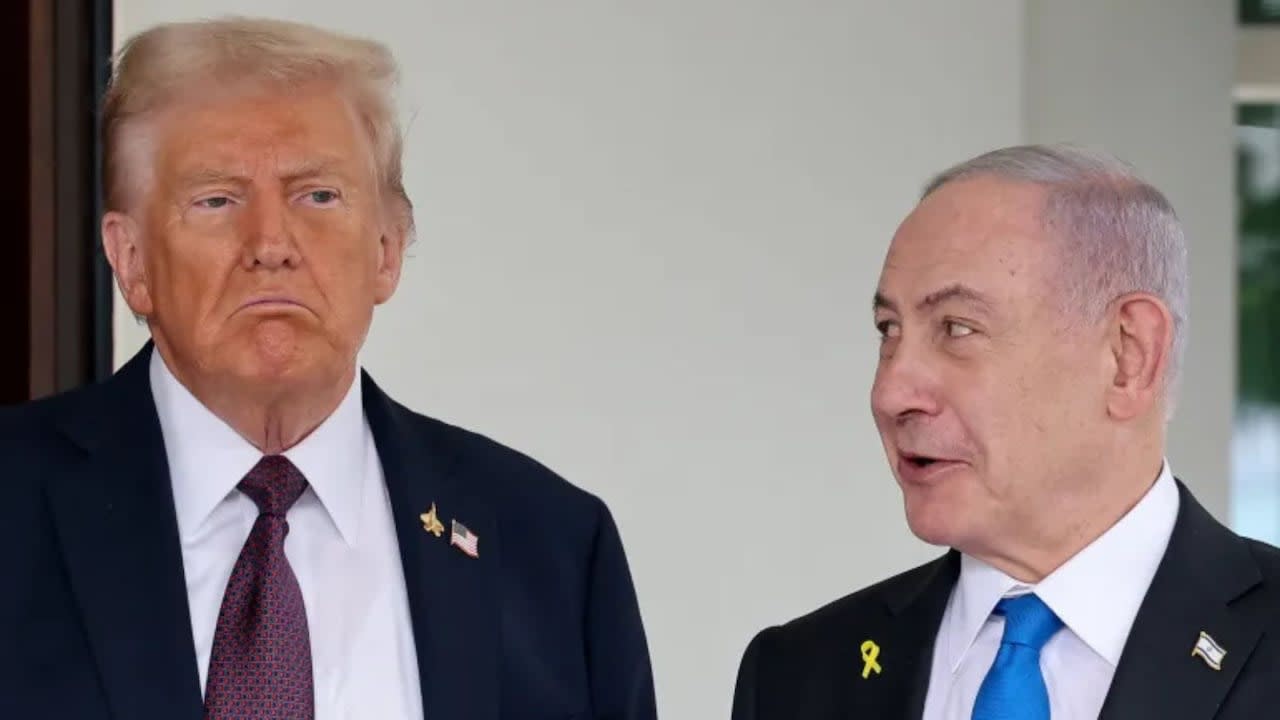
Reports suggest Benjamin Netanyahu and Donald Trump discussed potential joint military action against Iran's nuclear program prior to their respective elections. While initial reports indicated a leaning toward strikes, the White House has denied these claims and signs of hesitation have emerged.
The Geopolitical Calculus of Iran-US-Israel Relations
The recent reports suggesting that Israeli Prime Minister Benjamin Netanyahu and former US President Donald Trump discussed potential joint military operations against Iran represent a critical intersection of domestic electoral strategy and regional security policy. At the heart of these discussions is the persistent concern regarding Iran’s nuclear ambitions and the alleged efforts by Tehran to rebuild its nuclear infrastructure. For the Israeli leadership, the prospect of a neutralized Iranian nuclear threat before an election cycle is viewed through the lens of national security and political survival.
The Intersection of Elections and Military Strategy
The timing of these reported discussions is significant, as both the United States and Israel faced electoral pressures during the period in question. The suggestion that military action could be synchronized with election timelines highlights the intersection of foreign policy and domestic political optics. By engaging in high-stakes security dialogues, leaders often aim to project strength to their respective voting bases. However, this strategy carries inherent risks, as military interventions can lead to unpredictable regional escalations that may ultimately complicate electoral outcomes.
The Evolution of the US Stance
According to the reports, the stance within the Trump administration was fluid, with initial indications of a willingness to resume combat operations against Iran, followed by a period of strategic hesitation. This shifting posture reflects the complex internal deliberations often found in high-level defense planning, where the immediate desire to project force is balanced against the potential for prolonged conflict. The subsequent denial by the White House underscores the sensitivity of these diplomatic and military maneuvers, suggesting a desire to distance the administration from claims of pre-election military adventurism.
Analyzing the Risks of Joint Operations
A joint strike against Iran would mark a significant escalation in Middle Eastern tensions. The logistics of such an operation, combined with the potential for retaliatory actions by Iranian proxies throughout the region, present a volatile scenario. Analysts note that while Israel views Tehran's nuclear program as an existential threat, any preemptive strike requires deep coordination with US military assets. The hesitation observed in these reports suggests an awareness of the catastrophic potential of a full-scale conflict.
Historical Context and Future Trends
The history of US-Israel security cooperation is marked by a shared objective to prevent Iranian nuclear proliferation. However, these reported discussions indicate a departure from traditional, low-profile intelligence operations toward a more overt, confrontational approach. If this trend towards publicizing potential military strikes continues, it may lead to a more unstable regional environment where deterrence is replaced by a constant state of pre-conflict posturing.
Conclusion
In summary, the reports of discussions between Netanyahu and Trump regarding Iran serve as a stark reminder of how regional security issues are inextricably linked to domestic political cycles. While the White House has denied the claims and hesitation has reportedly set in, the situation underscores the precarious nature of international relations. The path forward remains uncertain, as leaders must weigh the immediate political benefits of aggressive posturing against the long-term reality of regional stability.
Multiple Citing Sources
Verification Required?