Is Netanyahu urging Trump to strike Iran before US, Israel polls? What new report reveals
Source Entity
TIMESOFINDIA.COM
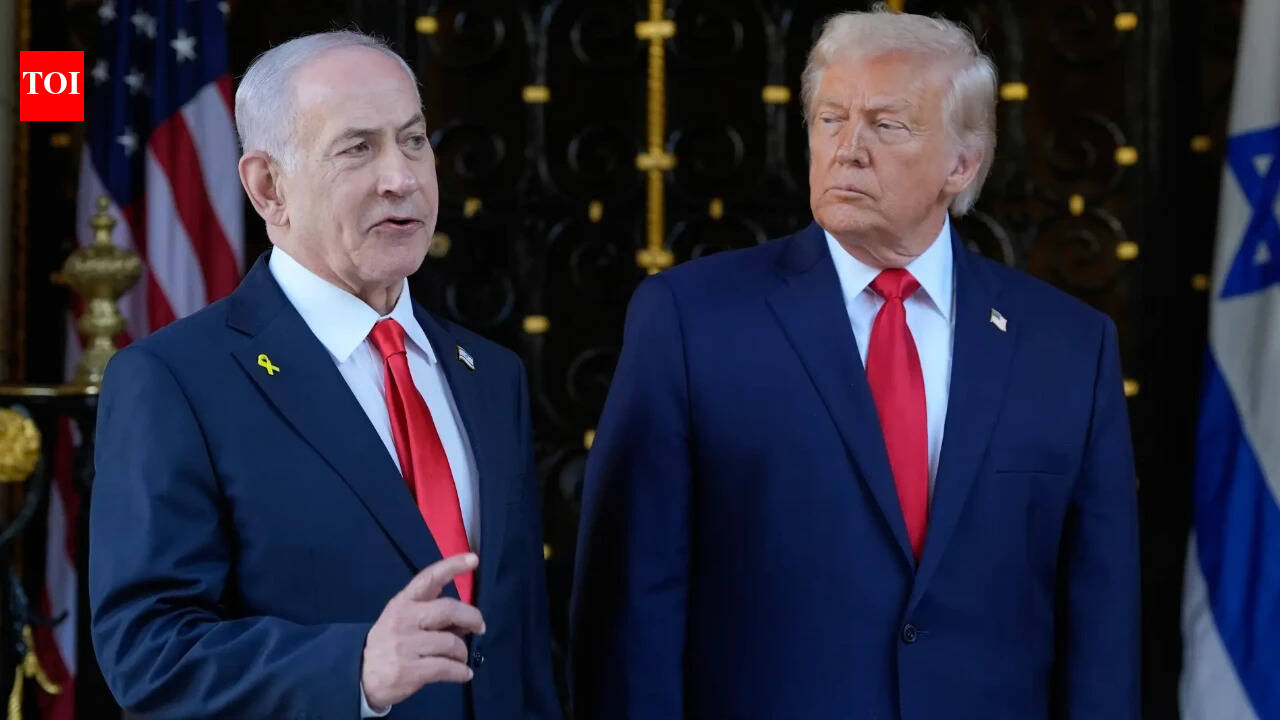
Reports indicate that Prime Minister Benjamin Netanyahu and President Donald Trump discussed potential joint military strikes against Iran. While initial considerations leaned toward action, the White House has denied these claims and President Trump ultimately expressed hesitation regarding pre-election military engagement.
The Geopolitical Calculus of Iran-US-Israel Relations
Recent reports have unveiled a high-stakes dialogue between Israeli Prime Minister Benjamin Netanyahu and US President Donald Trump regarding the possibility of a joint military operation against Iran. According to sources cited by Axios, these discussions centered on Tehran’s perceived efforts to accelerate its nuclear program. By engaging in these high-level deliberations, the two leaders were navigating the volatile intersection of national security imperatives and the precarious timing of upcoming electoral cycles in both Washington and Jerusalem.
The Strategic Rationale and Security Concerns
Netanyahu’s push for a potential strike is rooted in long-standing Israeli anxieties concerning Iran's nuclear ambitions. For Israel, the prospect of a nuclear-armed Iran represents an existential threat, prompting a consistent policy of preemptive posturing. The reported discussions suggest that Netanyahu sought to leverage his alignment with the Trump administration to neutralize these threats before a potential shift in the US political landscape. This strategy reflects a broader pattern of Israeli security policy, which often seeks to capitalize on favorable international alliances to execute decisive military actions.
Election Dynamics and Political Risk
The timing of these deliberations is critical, as both leaders were facing significant electoral pressures. In the US, the midterm elections necessitated a careful assessment of how a military conflict might impact voter sentiment and domestic economic stability. The prospect of a major conflict in the Middle East carries inherent risks, including potential surges in oil prices and the danger of regional escalation. While Trump initially appeared to entertain the possibility of military action, the political calculus shifted as the electoral calendar progressed, leading to his eventual public hesitation.
White House Denial and Shifting Positions
Despite the detailed accounts from officials, the White House has officially denied the occurrence of these specific discussions regarding joint strikes. This denial underscores the complex nature of diplomatic signaling, where behind-the-scenes negotiations often contrast sharply with public statements. The fluctuation in Trump's stance—moving from a willingness to consider combat operations to a more cautious approach—highlights the influence of advisors and the weight of potential electoral fallout on military decision-making.
Future Implications for Regional Stability
Looking forward, the interaction between Netanyahu and Trump regarding Iran serves as a microcosm of the fragile state of Middle Eastern diplomacy. The desire to curb Iran's nuclear progress remains a central pillar of US-Israel security cooperation, yet the methods employed—ranging from economic sanctions to the threat of kinetic force—continue to be subject to intense debate. The hesitancy demonstrated in this instance suggests that while the strategic objective remains constant, the appetite for large-scale military intervention is heavily moderated by domestic political constraints.
Conclusion
In summary, the reports of a proposed joint strike against Iran illustrate the intense pressures faced by leaders when security concerns collide with political timelines. While the immediate threat of a major operation appears to have receded due to electoral risks and administrative hesitation, the underlying tension regarding Iran's nuclear capabilities remains unresolved. The episode highlights the delicate balance of power in the region and the enduring influence of domestic political cycles on international military strategy.