5 Killed In Houthi Missile Strike On Presidential Palace In Yemen
Source Entity
NDTV News Search Records Found 1000
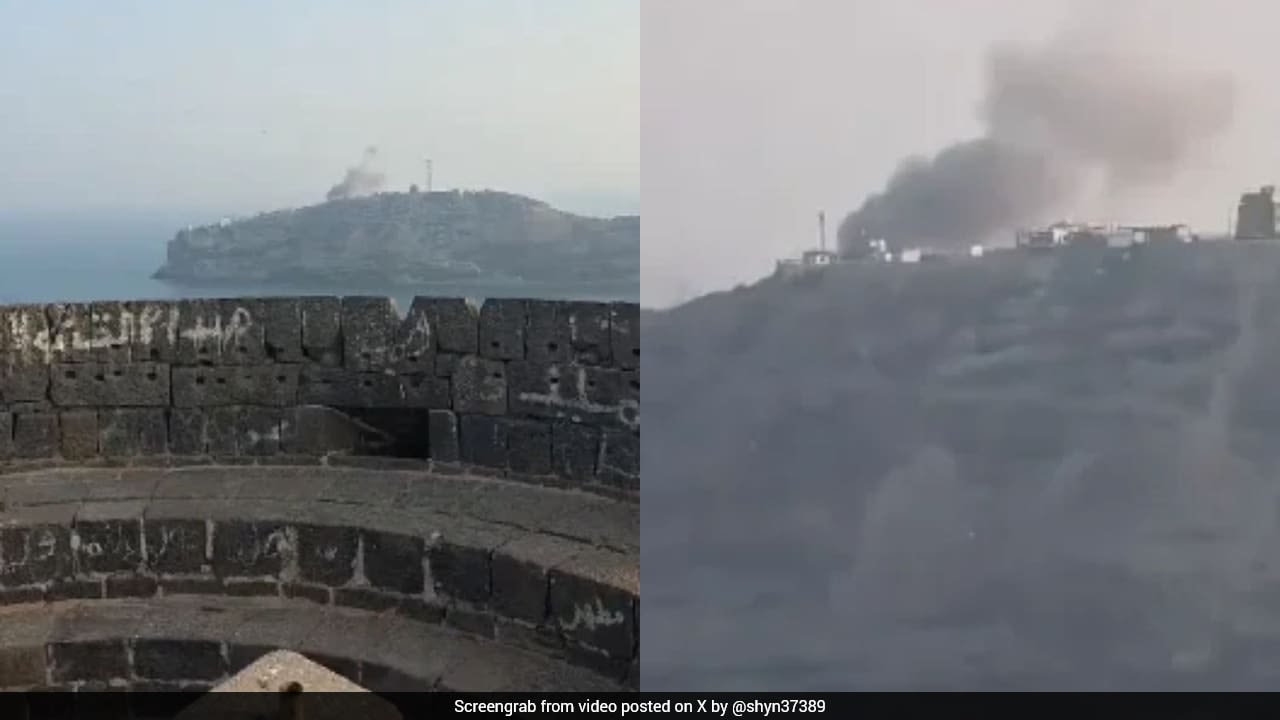
A Houthi missile strike on the Yemeni presidential palace has resulted in five deaths, signaling an escalation in the nation's civil war. The attack highlights the broader regional conflict involving Saudi Arabia, Iran, and Western powers.
Escalation in Yemen: A Deadly Strike on the Presidential Palace
In a significant escalation of Yemen's protracted civil war, a missile strike attributed to Houthi forces has hit the presidential palace, resulting in the tragic death of five individuals. The event, which occurred amidst a renewed surge in violence throughout July, underscores the precarious security situation facing the internationally recognized government. Witnesses reported hearing loud, jarring booms in the immediate vicinity of the palace, confirming the severity of the aerial assault on a location that serves as the symbolic and functional heart of the state’s administration.
The Strategic Significance of the Palace
The presidential palace is not merely a government building; it is the primary seat of the internationally recognized Yemeni government, which maintains critical backing from the Kingdom of Saudi Arabia. By targeting this specific location, the Houthi movement is sending a clear message regarding their operational reach and their continued defiance of the Saudi-led coalition. The attack serves as a direct challenge to the legitimacy of the administration and the military protection afforded to it by its regional allies.
Regional Entanglements and the Houthi Doctrine
This incident cannot be viewed in isolation, as it is deeply intertwined with the broader geopolitical friction in the Middle East. The Houthis have increasingly aligned their military objectives with the strategic goals of Iran. Their campaign, which includes attacks on Saudi territory and the disruption of vital maritime trade routes in the Red Sea, is framed by the group as an act of solidarity. This alignment reflects the complex proxy dynamics that have fueled the Yemeni conflict for years, drawing in regional powers with competing interests.
The Shadow of Global Nuclear Tensions
The motivations behind this intensified Houthi aggression are tied to the regional pressure campaign against the Islamic Republic of Iran. With the United States and Israel conducting ongoing operations to prevent Iran from enriching uranium for nuclear weapons, the Houthis have leveraged this climate of instability to expand their own military posture. The group’s actions appear designed to complicate the strategic calculus of Western and regional powers, effectively creating a multi-front pressure environment that complicates efforts to reach a diplomatic settlement in Yemen.
Future Trends and Humanitarian Implications
The resurgence of large-scale hostilities in July suggests that the fragile status quo in Yemen is rapidly deteriorating. If these missile strikes continue, the prospects for a lasting ceasefire will diminish, likely leading to a further humanitarian crisis in a nation already devastated by years of war. As the Houthis continue to coordinate their efforts with regional allies, the international community faces the daunting task of containing both the local civil conflict and the wider regional fallout, making the stability of the Red Sea and the safety of the Yemeni government increasingly volatile variables in global security.
Verification Required?