Why Saudi Prince Stopped Netanyahu From Joining War Against Houthis
Source Entity
NDTV News Search Records Found 1000
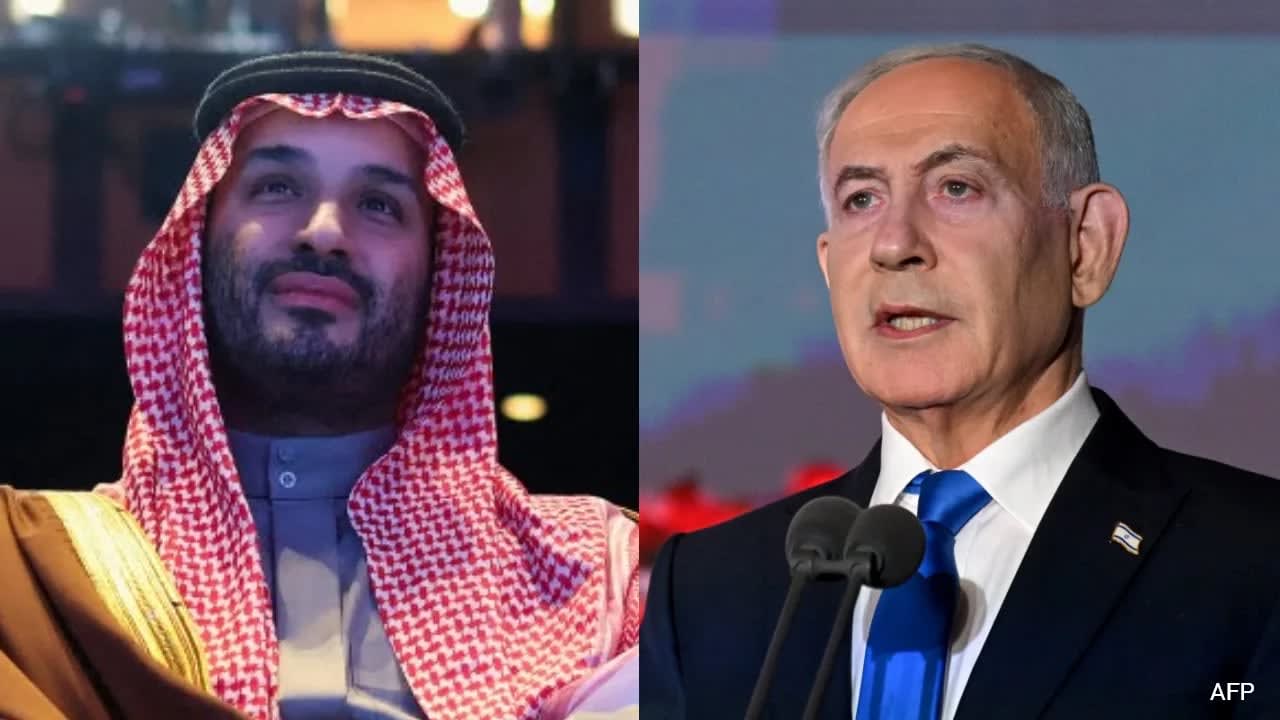
Saudi Arabia has resisted joining a military coalition with Israel against the Houthis, citing the unresolved Palestinian conflict as a primary obstacle. This stance highlights the kingdom's commitment to regional stability over immediate normalization with Israel.
The Geopolitical Standoff: Saudi Arabia, Israel, and the Houthi Threat
Recent reports indicate that Saudi Arabia has actively prevented Prime Minister Benjamin Netanyahu from integrating Israel into a broader regional military coalition aimed at countering Houthi militants. This decision underscores the complex and fragile nature of Middle Eastern geopolitics, where security interests often collide with long-standing ideological and diplomatic commitments. By distancing itself from an overt alliance with Israel, Riyadh is carefully navigating a path that prioritizes its regional standing and the stability of its borders.
The Palestinian Question as a Diplomatic Anchor
At the heart of this refusal lies Riyadh’s consistent insistence that any formal normalization of relations with Israel remains strictly contingent upon a resolution to the Palestinian issue. Despite the shifting tides of the Abraham Accords, which saw several Arab nations establish ties with Israel, Saudi Arabia has maintained a more cautious approach. The Saudi leadership views the Palestinian statehood question not merely as a diplomatic bargaining chip, but as a fundamental prerequisite for regional legitimacy and internal stability.
Strategic Caution Against Houthi Aggression
While the Houthi movement represents a direct security challenge to Saudi Arabia, the kingdom’s leadership is acutely aware of the optics involved in a direct military partnership with Israel. Engaging in a joint operation against the Houthis alongside Israeli forces would likely be perceived as an abandonment of the Arab consensus on the Palestinian conflict, potentially providing the Houthis and their regional backers with a powerful propaganda tool. Riyadh’s decision reflects a strategic calculation to avoid fueling further regional instability or domestic dissent.
Balancing Regional Security and Sovereignty
Saudi Arabia’s rejection of a unified front with Israel highlights a broader trend: the kingdom’s desire to maintain sovereign control over its security architecture. While Riyadh has sought international support to manage the Houthi threat, it prefers to operate within traditional Arab security frameworks or through international diplomatic channels. Bringing Israel into the fold would fundamentally alter the dynamics of the conflict, transforming a localized regional dispute into a broader, more volatile proxy war.
Future Trends in Saudi-Israeli Relations
Looking ahead, the prospects for normalization appear increasingly tied to the resolution of the ongoing conflict in Gaza and the broader status of the Palestinian territories. As long as the Palestinian issue remains unresolved, it serves as a structural barrier that prevents the formation of a formal Israeli-Saudi defense pact. The kingdom is likely to continue its 'wait and see' policy, prioritizing its role as a leader of the Islamic world while simultaneously managing the persistent security threats emanating from the Houthi-controlled regions of Yemen.
Conclusion
In summary, the Saudi refusal to align with Netanyahu against the Houthis is a measured response to a volatile regional environment. By tethering its foreign policy to the Palestinian cause, Saudi Arabia ensures that it does not alienate its regional allies while it addresses its own security concerns. This nuanced approach demonstrates that even in the face of shared adversaries, deep-seated political grievances continue to dictate the boundaries of regional cooperation.
Verification Required?