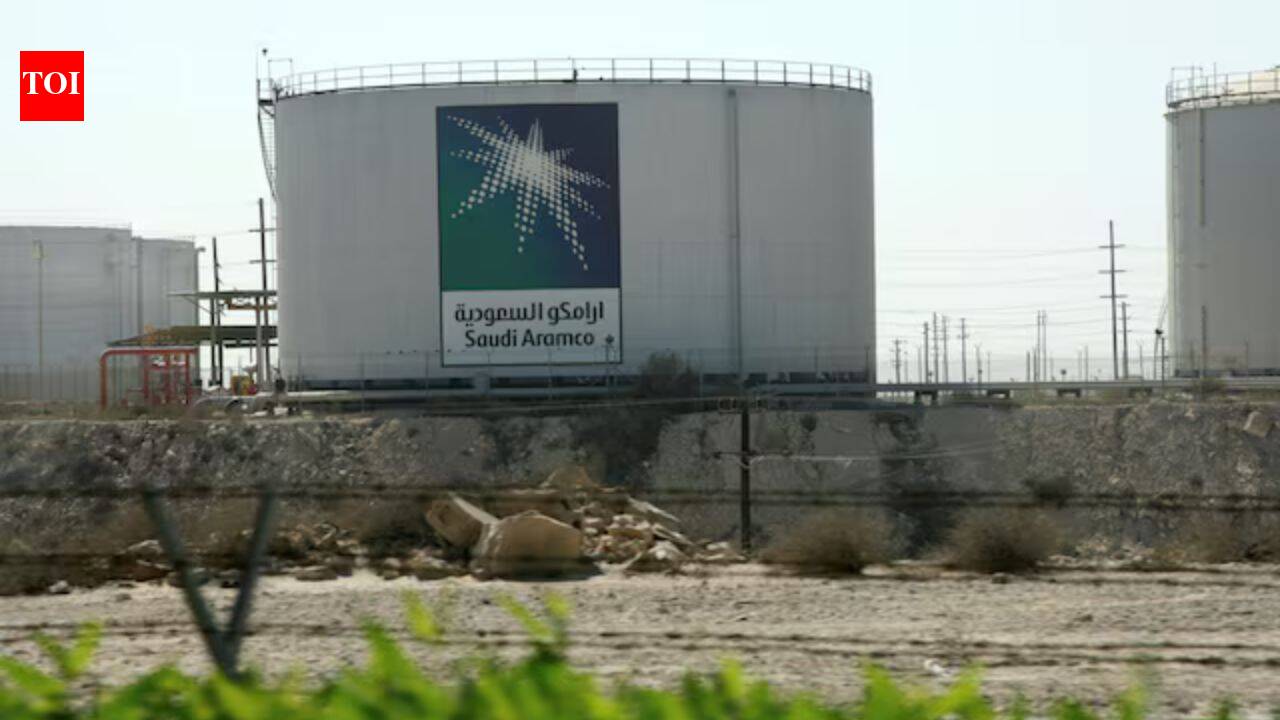
Houthis target Saudi Aramco compound, limited fire reported
Source Entity
ARYAN SINGH
Saudi Arabia has faced a critical breakdown in public warning systems amid escalating Houthi drone and missile attacks on Riyadh. While the coalition continues to intercept threats, the suspension of official alerts has forced Western embassies to issue their own security warnings.
The Collapse of Public Warning Systems in Saudi Arabia
Recent developments in the ongoing conflict between Saudi Arabia and Houthi forces have highlighted a troubling vulnerability: the breakdown of the Kingdom’s national early warning system. Despite an intensification of Houthi aerial aggression, Saudi authorities ceased sending public threat alerts to mobile phones and social media platforms in the days leading up to a devastating strike on Riyadh’s airport. This lapse in communication left civilians without critical notice, marking a significant departure from the alert protocols established earlier in May.
Escalating Tensions and the Riyadh Airport Strike
The consequences of this silence were catastrophic. Reports indicate that at least 18 people were killed and over 300 wounded when strikes hit the King Khalid International Airport. The gravity of the situation was further underscored by public displays of insecurity, such as when a Saudi minister was forced to pause a speech as air raid sirens blared across a hall in Riyadh. These events confirm that the threat environment has evolved, moving from border skirmishes to direct, high-impact targeting of the capital’s infrastructure.
Military Response and the Cycle of Retaliation
In response to these threats, the Saudi-led coalition has maintained a posture of active interception. Major General Turki al-Maliki recently confirmed the destruction of three drones north of Riyadh, demonstrating the persistent nature of these incursions. However, this military defense is now inextricably linked to a cycle of escalation. The coalition has announced plans for retaliatory operations against Houthi positions in Sanaa, prompting immediate threats of a "tough and painful response" from Houthi leadership, effectively trapping the region in a precarious state of tit-for-tat violence.
The Shift in Diplomatic Security
As the Saudi government’s domestic alert system went silent, Western embassies felt compelled to fill the void, issuing independent security warnings to their citizens. This shift suggests a lack of confidence in the current domestic information flow and underscores the international concern regarding the safety of expatriates and visitors within the Kingdom. The divergence between Saudi official communication and the warnings provided by foreign missions highlights a growing disconnect in crisis management strategies.
Future Trends and Regional Implications
The failure of the early warning system, combined with the continued targeting of civilian infrastructure like the King Khalid International Airport, suggests that the conflict is entering a more volatile phase. As the coalition prepares for operations in Sanaa, the risk of further civilian casualties remains high. Future trends will likely involve increased reliance on private or foreign-sourced security intelligence by civilians, as the credibility of state-run alert systems has been severely undermined by the recent period of silence. The regional solidarity voiced by Gulf allies may provide political support, but it does little to mitigate the immediate, daily security threats facing residents in the Saudi capital.
Multiple Citing Sources