Israel elections: Why Netanyahu was punished, but not rejected
Source Entity
Yashee
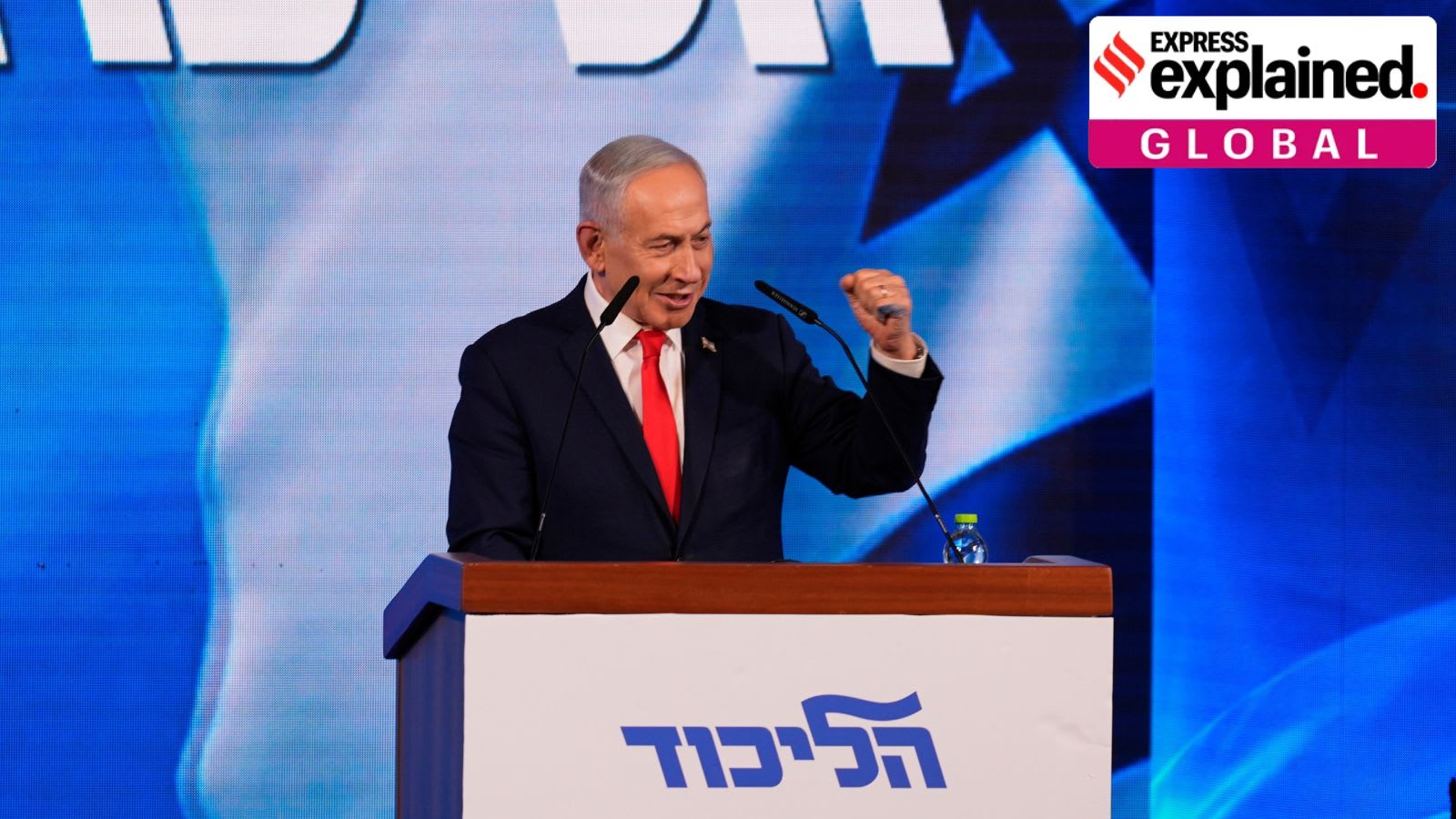
Israel faces a pivotal election on October 27 as incumbent Benjamin Netanyahu battles former army chief Gadi Eisenkot. The contest centers on national security failures following the October 7 attacks and the potential for a historic shift in Israeli political leadership.
The Crossroads of Israeli Governance: Netanyahu vs. Eisenkot
As Israel approaches the October 27 election, the nation stands at a critical juncture. Prime Minister Benjamin Netanyahu, a figure who has dominated the political landscape for years, faces what is widely considered the ultimate test of his career. The upcoming vote is not merely a contest between two parties, but a referendum on a long-standing political era defined by Netanyahu's "Mr. Security" persona.
The Erosion of the "Mr. Security" Narrative
For decades, Benjamin Netanyahu has built his political brand on the premise that he is the only leader capable of safeguarding Israel’s borders and citizens. However, the unprecedented Hamas attack on October 7, 2023, severely damaged this image. The security failures associated with that day have sparked intense national debate regarding government accountability, forcing Netanyahu to rely on his traditional political playbook to retain his hold on power amid mounting public scrutiny.
The Rise of Gadi Eisenkot
Emerging as the primary challenger to this status quo is Gadi Eisenkot, the 66-year-old former chief of staff of the Israeli army. Eisenkot’s journey from a military leader who served under Netanyahu between 2015 and 2019 to his current position as the leader of the Yashar party marks a significant shift in the political landscape. Once polling in the single digits, Eisenkot has seen a surge in support, with recent projections suggesting his party could secure 20 to 23 seats in the 120-seat Knesset, potentially outperforming Netanyahu's Likud party.
Historical Significance and Demographic Shifts
Beyond the strategic implications, a victory for Eisenkot would be historic. As the son of Moroccan immigrants, he would become Israel’s first Mizrahi prime minister, representing a milestone in the nation's social and political history. His military background provides a direct contrast to Netanyahu, as he leverages his four decades of service to challenge the incumbent’s handling of recent regional conflicts, including the confrontations with Hezbollah and ongoing military engagements.
The Math of the Knesset
Despite the polling momentum, the path to a governing coalition remains fraught with uncertainty. The Israeli parliamentary system requires a majority of 61 seats to form a government, and current projections indicate that neither the Netanyahu bloc nor the anti-Netanyahu bloc is comfortably on track to reach this threshold. This suggests that the post-election period will likely involve complex negotiations, potentially leaving the country in a state of political fragility regardless of the individual vote counts.
Future Implications for Israeli Policy
The outcome of this election will dictate Israel's trajectory in a volatile region. Whether voters choose to maintain the status quo under Netanyahu or opt for the military-rooted leadership of Eisenkot, the next government will be tasked with addressing the deep-seated questions of national security and accountability that have dominated the current campaign cycle. The October 27 election represents a fundamental choice about the future direction of the state.
Multiple Citing Sources