Why special MP-MLA court acquitted Rahul Gandhi of criminal defamation
Source Entity
Amaal Sheikh
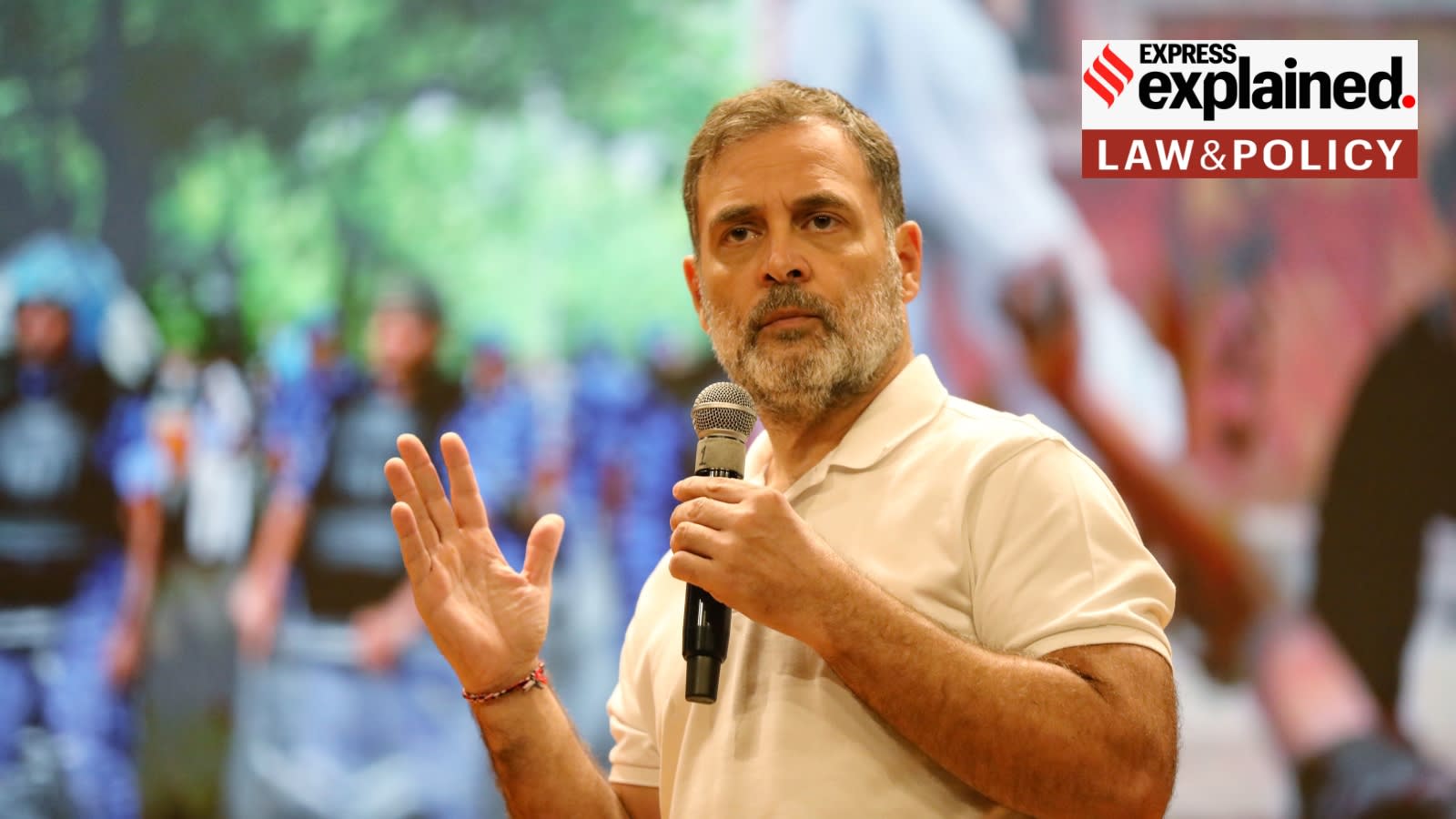
A special MP-MLA court in Sultanpur has acquitted Rahul Gandhi in a 2018 criminal defamation case involving comments made about Amit Shah. The court ruled the complainant lacked standing as an aggrieved party to sustain the charges.
Legal Acquittal in Sultanpur: An Analysis of the Rahul Gandhi Defamation Case
On October 26, the legal landscape surrounding Indian political discourse saw a significant development as a special MP-MLA court in Sultanpur acquitted Congress leader Rahul Gandhi. The case stemmed from a 2018 remark in which Gandhi referred to the then-BJP president, Amit Shah, as a “murder accused.” The acquittal marks the conclusion of a long-standing criminal defamation proceeding initiated by Vijay Mishra, a local BJP vice-president.
The Legal Threshold of 'Aggrieved Party'
The court’s decision hinged on a fundamental principle of criminal law: the standing of the complainant. Additional Chief Judicial Magistrate Shubham Verma ruled that Vijay Mishra failed to establish himself as an “aggrieved person” in the context of the alleged defamation. Under Indian law, for a defamation case to proceed, the complainant must demonstrate a direct link between the statement and personal harm or loss of reputation. The court found that the complainant’s status as a party worker did not automatically grant him the legal standing to pursue litigation on behalf of a national leader.
The Role of MP-MLA Special Courts
This case highlights the specific function of MP-MLA courts in India. These specialized forums were established by the Supreme Court’s directive to expedite the resolution of criminal cases involving lawmakers. While intended to clean up the political arena by ensuring timely justice, these courts have become the primary battleground for political litigation. The Sultanpur court’s focus on the procedural failure of the complainant underscores a growing judicial trend of vetting the merit of defamation filings to prevent the misuse of the legal system for political posturing.
Political Implications of Defamation Litigation
Defamation cases have increasingly become a tool in the Indian political arsenal, often blurring the lines between robust political debate and legal harassment. By litigating remarks made during public rallies, political figures often attempt to stifle opposition speech. However, this acquittal serves as a reminder that the judiciary requires a high burden of proof before curtailing political expression. The court’s rejection of the complaint reinforces the necessity for clear, direct harm to be proven before a criminal charge of defamation can be sustained.
Historical Context and Future Trends
Historically, the use of defamation as a political weapon has seen peaks during periods of intense polarization. Rahul Gandhi has been a frequent subject of such litigation across various states, indicating a broader trend where political rivals leverage the judicial process to distract or penalize opponents. The Sultanpur verdict suggests a potential judicial pushback against frivolous or politically motivated defamation suits, which could discourage future attempts to use the courts as a substitute for political debate.
Conclusion
The acquittal of Rahul Gandhi is a significant procedural victory that emphasizes the importance of legal standing in criminal litigation. By holding that the complainant failed to show how the 2018 remarks directly harmed his own reputation, the court has upheld a rigorous standard for defamation. As India continues to navigate the intersection of law and politics, this ruling stands as a testament to the judiciary’s role in balancing the right to free speech with the protections afforded against genuine defamation.