Nirmala Sitharaman hits back at Rahul Gandhi over ‘Tata is being criminally destroyed’ post
Source Entity
The Indian Express
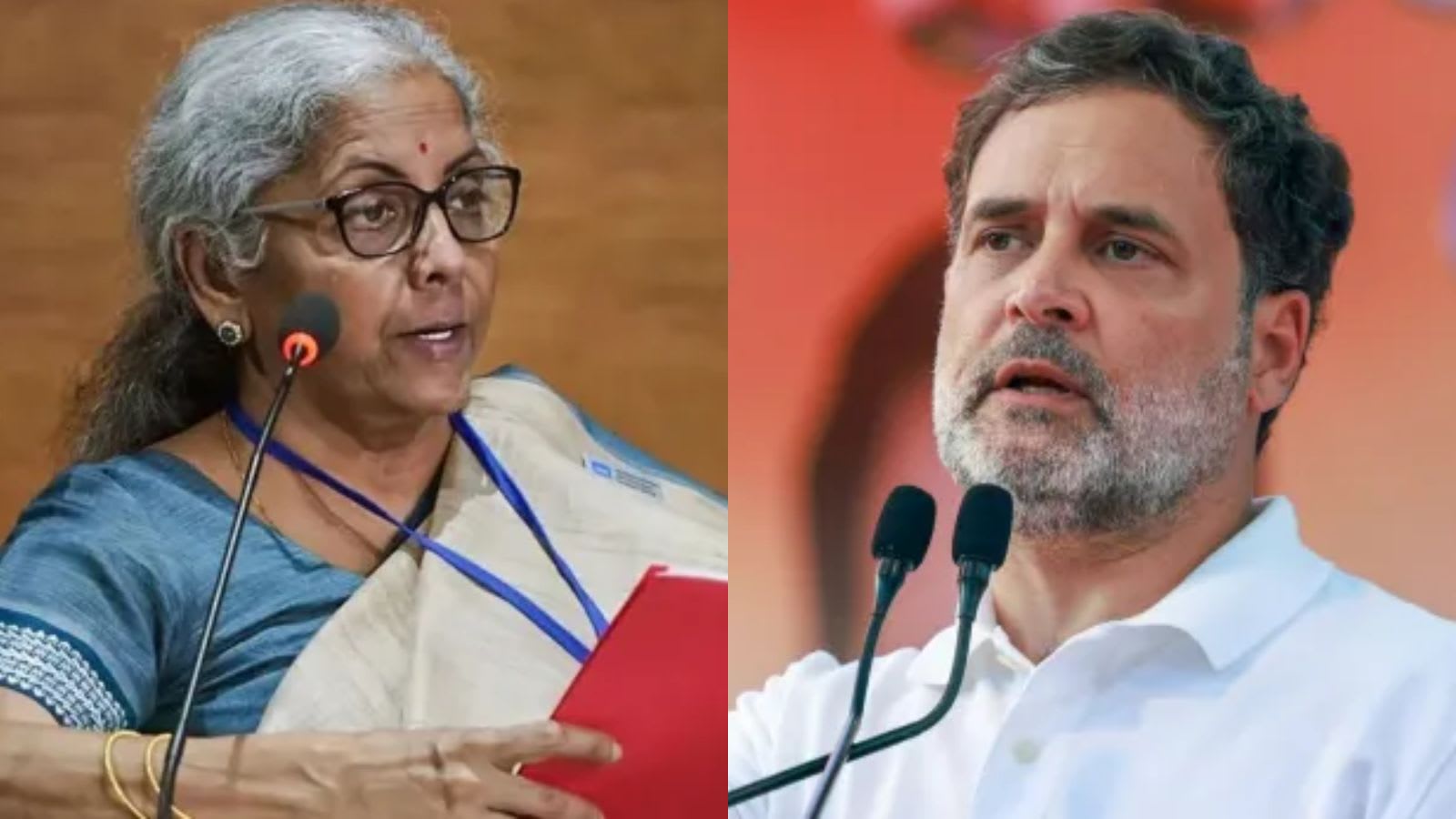
Rahul Gandhi has publicly condemned the alleged 'criminal destruction' of the Tata Group, urging business leaders to break their silence on the ongoing boardroom power struggle. He criticized the political influence over India Inc., promising justice while targeting the BJP leadership.
Rahul Gandhi Challenges India Inc. Amidst Tata Boardroom Crisis
A Rare Political Intervention
Leader of Opposition Rahul Gandhi has made a significant and rare political intervention into the internal affairs of the Tata Group, one of India’s most storied conglomerates. By publicly stating that the organization is being "criminally destroyed," Gandhi has positioned himself as a critic of both the current corporate governance crisis and the perceived political atmosphere enabling it. This marks the first time a high-profile politician has directly addressed the bitter leadership dispute currently unfolding within the Tata Sons boardroom.
The Anatomy of the Tata Power Struggle
To understand the gravity of Gandhi's claims, one must look at the unique structure of the Tata Group. Unlike typical publicly traded corporations, the Tata Trusts—charitable entities—hold approximately 66% of the shares in Tata Sons. This holding company acts as the nerve center, overseeing major entities like Tata Motors, TCS, and Tata Power. The current conflict, which has split trustees and permeated the boardroom, threatens to destabilize a massive portion of the Indian economy, given the group's pervasive influence across various sectors.
Challenging the Silence of the Business Elite
Gandhi’s rhetoric focused heavily on the silence of India’s business leaders. By questioning how long they will remain silent before they are eventually "owned" by political interests, he is attempting to highlight a perceived culture of fear within the corporate sector. His assertion that "Indian business is not Modi and Shah’s plaything" suggests a broader critique of the relationship between the ruling Bharatiya Janata Party (BJP) and the nation’s corporate giants, implying that political pressure may be exacerbating the internal corporate strife.
The Call for Courage and Justice
In his statement, Gandhi explicitly contrasted the perceived cowardice of the corporate class with the political courage of his own party. By promising to "ensure justice for these crimes," he is framing the boardroom battle not merely as a private corporate disagreement, but as a public interest issue that requires political oversight. This narrative strategy serves to position the Congress party as a defender of institutional stability against what he characterizes as unchecked political interference.
Broader Implications and Future Trends
This development signals a shift in how political opposition engages with corporate governance in India. If the conflict within Tata Sons continues to escalate, it is likely that the role of political entities in mediating or critiquing these private disputes will become a recurring theme. The lack of response from the BJP or the Tata Group thus far indicates a high-stakes standoff, where the silence of the stakeholders is being challenged by the vocal intervention of the political opposition, potentially setting the stage for increased regulatory scrutiny or legislative debate regarding corporate governance standards.
Multiple Citing Sources