Netanyahu's unity government gambit: Can he lure Eisenkot from opposition?
Source Entity
VIJAYA SRIVASTAVA
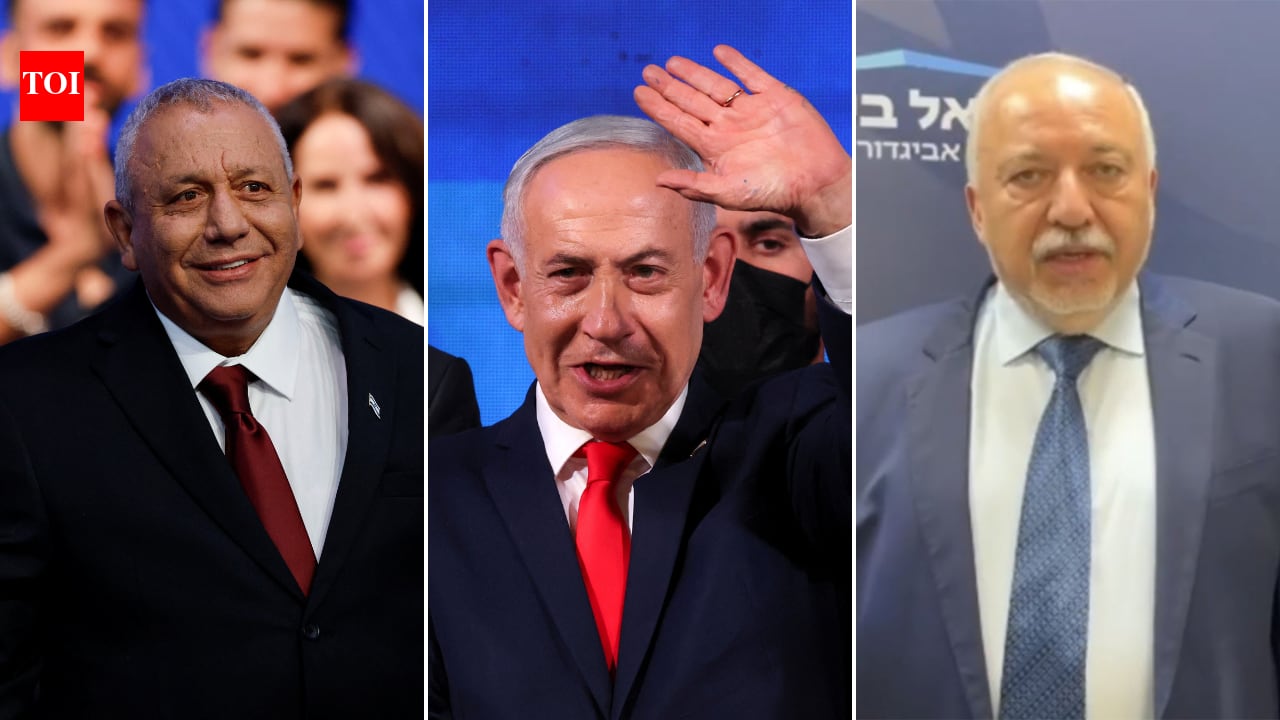
Israel faces a pivotal election on October 27 as Benjamin Netanyahu battles former army chief Gadi Eisenkot. The contest centers on security credibility following the October 7 Hamas attacks and the potential for a historic leadership shift.
The Defining Moment for Israeli Leadership
Israel stands at a critical political crossroads as the nation prepares for elections on October 27. This vote represents the ultimate test for Benjamin Netanyahu, whose decades-long dominance in Israeli politics is facing an unprecedented challenge. At the heart of this contest is the struggle between Netanyahu’s traditional branding as “Mr. Security” and the emerging appeal of his primary challenger, Gadi Eisenkot.
The Erosion of the Security Narrative
For years, Benjamin Netanyahu has successfully cultivated an image as the only leader capable of safeguarding Israel. However, the events of October 7, 2023, fundamentally altered this political reality. The unprecedented Hamas attack exposed significant vulnerabilities within the state’s security apparatus, leading to widespread public scrutiny regarding the accountability of the current government. This shift has created a vacuum that opposition figures are eager to fill, as the electorate grapples with the fallout of the war and ongoing confrontations with Hezbollah.
The Rise of Gadi Eisenkot
Emerging as the principal threat to Netanyahu’s premiership is Gadi Eisenkot, the 66-year-old former head of the Israeli army. Eisenkot’s trajectory has been remarkable; having polled in the single digits only a year ago, his Yashar party is now projected to secure 20 to 23 seats in the 120-member Knesset. As a former chief of staff who served under Netanyahu from 2015 to 2019, Eisenkot brings a unique blend of military credibility and institutional knowledge to the campaign trail.
Historical Significance and Demographic Shifts
Beyond the strategic implications, Eisenkot’s candidacy holds deep historical significance. As the son of Moroccan immigrants, if elected, he would become Israel’s first Mizrahi prime minister. This potential milestone reflects a shifting demographic and political landscape within Israel. His background, combined with his extensive 40-year military career starting in the Golani Brigade, provides a compelling alternative for voters seeking a change in leadership style and national direction.
The Challenge of Coalitions
Despite the momentum behind the Yashar party, the path to power remains fraught with complexity. Current polling data suggests that neither the bloc led by Netanyahu’s Likud nor the anti-Netanyahu coalition is currently on track to secure the 61 seats required for a parliamentary majority. This stalemate suggests that the October 27 election may not lead to an immediate resolution, but rather a protracted period of coalition negotiations that will define the country's governance for years to come.
Conclusion: A Nation in Transition
The upcoming election is more than a contest between two individuals; it is a referendum on Israel’s future security policy and the legacy of its longest-serving leader. As the electorate weighs Netanyahu’s familiar, albeit challenged, playbook against Eisenkot’s promise of a new path, the outcome remains far from certain. The result will inevitably shape how Israel manages its ongoing regional conflicts and internal political polarization.
Multiple Citing Sources