New Jersey sues Amazon on antitrust grounds, alleging it unlawfully wielded its power over delivery contractors
Source Entity
US Top News and Analysis
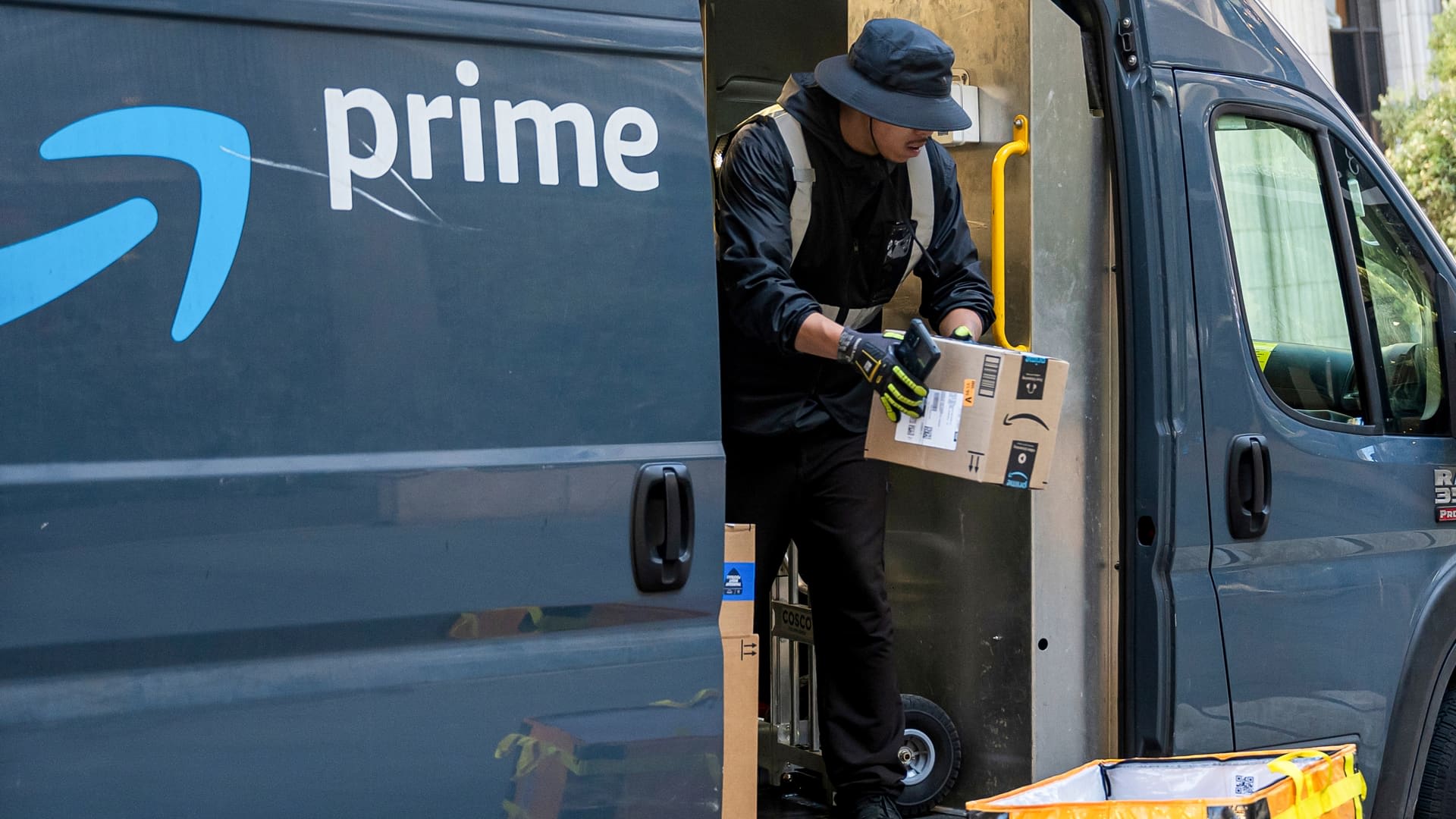
New Jersey has filed an antitrust lawsuit against Amazon, alleging that the company uses its market dominance to suppress labor competition and lower wages. The suit claims Amazon restricts its third-party delivery contractors from hiring each other's staff, ultimately harming worker conditions.
New Jersey Challenges Amazon's Delivery Labor Practices
New Jersey Attorney General Jennifer Davenport has officially filed an antitrust lawsuit against Amazon, marking a significant escalation in the regulatory scrutiny surrounding the e-commerce giant’s logistics operations. The lawsuit centers on the contention that Amazon has leveraged its massive market influence to exert undue control over its third-party delivery contractors, effectively creating an environment that suppresses competition and adversely impacts the workforce.
The Mechanics of Market Suppression
At the heart of the complaint is the allegation that Amazon maintains a rigid grip on its delivery network by preventing contractors from hiring drivers employed by other firms within the Amazon ecosystem. By imposing these restrictive covenants, the state argues that Amazon intentionally limits the mobility of labor. This restriction prevents drivers from seeking better pay or working conditions through competitive market forces, effectively locking them into a system where their bargaining power is severely diminished.
Impact on Wages and Working Conditions
The lawsuit further asserts that this lack of labor competition is a primary driver of artificially low wages for delivery personnel. By dictating the terms under which these third-party contractors operate, Amazon is accused of fostering a culture where efficiency is prioritized over the well-being of the workforce. According to Attorney General Davenport, this imbalance of power forces employees to endure harsher working conditions than would be present in a truly competitive labor market.
Anti-Unionization and Corporate Control
Beyond wage suppression, the complaint highlights Amazon's efforts to thwart collective bargaining. The state alleges that the company actively prevents delivery workers from unionizing, further isolating the workforce from the protections and negotiation capabilities that unions typically provide. This systematic exclusion, combined with the restriction on hiring between contractors, paints a picture of a company exercising total control over its delivery infrastructure to maximize margins at the expense of its labor force.
Broader Implications for the Gig Economy
This legal action signifies a broader trend of state-level regulators taking a more aggressive stance toward the 'gig economy' and large-scale delivery models. If New Jersey succeeds in its claims, it could set a legal precedent that forces Amazon to restructure how it manages its third-party partnerships. Such a shift would likely have national implications, potentially compelling the company to allow more fluidity in its labor market and mandating stricter oversight of contractor conduct.
Conclusion and Future Outlook
As this case proceeds, the focus will remain on whether Amazon’s specific contractual requirements constitute an illegal abuse of market power under antitrust law. The outcome will be closely watched by labor advocates, legal scholars, and corporate regulators alike. Should the courts find in favor of New Jersey, it could represent a pivotal moment in the ongoing debate regarding the obligations of trillion-dollar corporations toward the workers who sustain their rapid delivery promises.