Will Nifty & Sensex continue to diverge? What new stock market timings mean
Source Entity
SMRITI JAIN
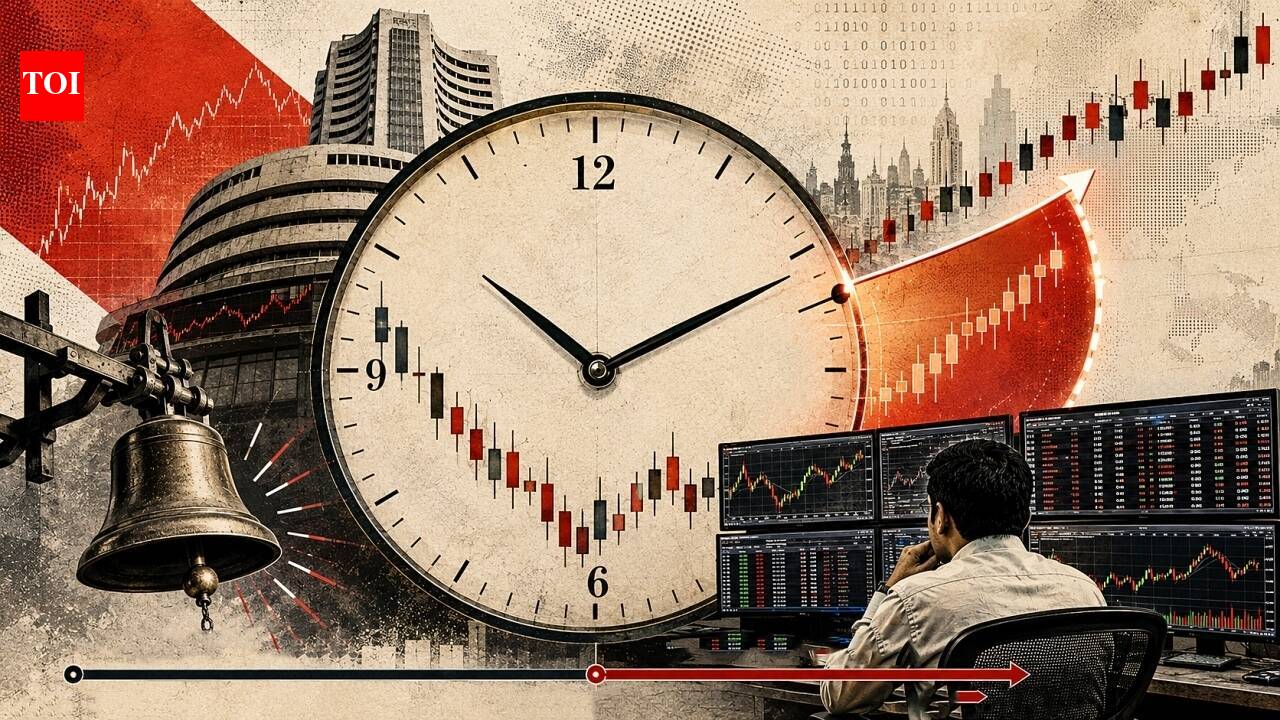
SEBI has introduced a new Closing Auction Session (CAS) to replace the volume-weighted average price method for derivative-linked stocks. This transition aims to enhance price discovery and reduce manipulation, though early implementation led to initial market divergence.
Understanding the Shift in Indian Market Mechanics
The implementation of the Closing Auction Session (CAS) by the Securities and Exchange Board of India (SEBI) represents a significant structural shift in how the Indian stock market concludes its daily trading cycle. By moving away from the traditional volume-weighted average price (VWAP) calculation—which relied on the final 30 minutes of trading—to a structured auction mechanism, regulators are prioritizing accuracy and transparency over historical precedent.
The Mechanics of the New Closing Auction Session
The new protocol, effective for stocks with derivatives, divides the end-of-day period into distinct phases. The process begins at 3:15 PM with a reference price calculation, followed by a series of order entry periods. Notably, the final phase involves a 'Random Close' between 3:28 PM and 3:30 PM. This randomization is a deliberate design choice intended to prevent late-stage price manipulation, ensuring that the closing price reflects a true consensus of market participants rather than a last-minute burst of activity.
Why the Change Was Necessary
For years, the VWAP method was vulnerable to volatility and potential manipulation in the closing minutes of a session. By isolating the closing price discovery into a dedicated auction window, SEBI aims to provide a more robust benchmark for investors and index providers. This transition is not merely a change in timing but a fundamental upgrade to the market's infrastructure, designed to align Indian equity markets with global best practices regarding price discovery.
Analyzing Market Divergence
The initial rollout of the CAS, specifically noted on August 3, resulted in unexpected divergence between the NSE Nifty and BSE Sensex. Such volatility is common during the adoption of new market mechanisms, as algorithmic trading systems and institutional investors recalibrate their strategies to account for the new auction-based closing price. This temporary divergence underscores the sensitivity of index calculations to changes in underlying stock pricing methods.
Broader Implications and Future Trends
Looking forward, the success of the CAS will be measured by its ability to stabilize closing prices and reduce the impact of sudden, high-volume orders that previously skewed the VWAP. While stocks without derivatives remain under the legacy VWAP system, the expansion of the auction mechanism to derivative-linked stocks creates a bifurcated system that may eventually be unified if the results prove successful. Investors should expect a period of adaptation as market participants optimize their execution strategies for the new 3:15 PM to 3:35 PM window.
Conclusion
In summary, the transition to the Closing Auction Session is a calculated move toward a more transparent and resilient market environment. While the initial days of implementation saw divergent index movements, these are likely growing pains associated with a major systemic update. As the market matures under this new framework, the increased integrity of the closing price will likely serve as a foundational improvement for Indian capital markets.