I just had my first baby and don’t want to go back to work. Is quitting for a year a bad idea?
Source Entity
Aditi Shrikant
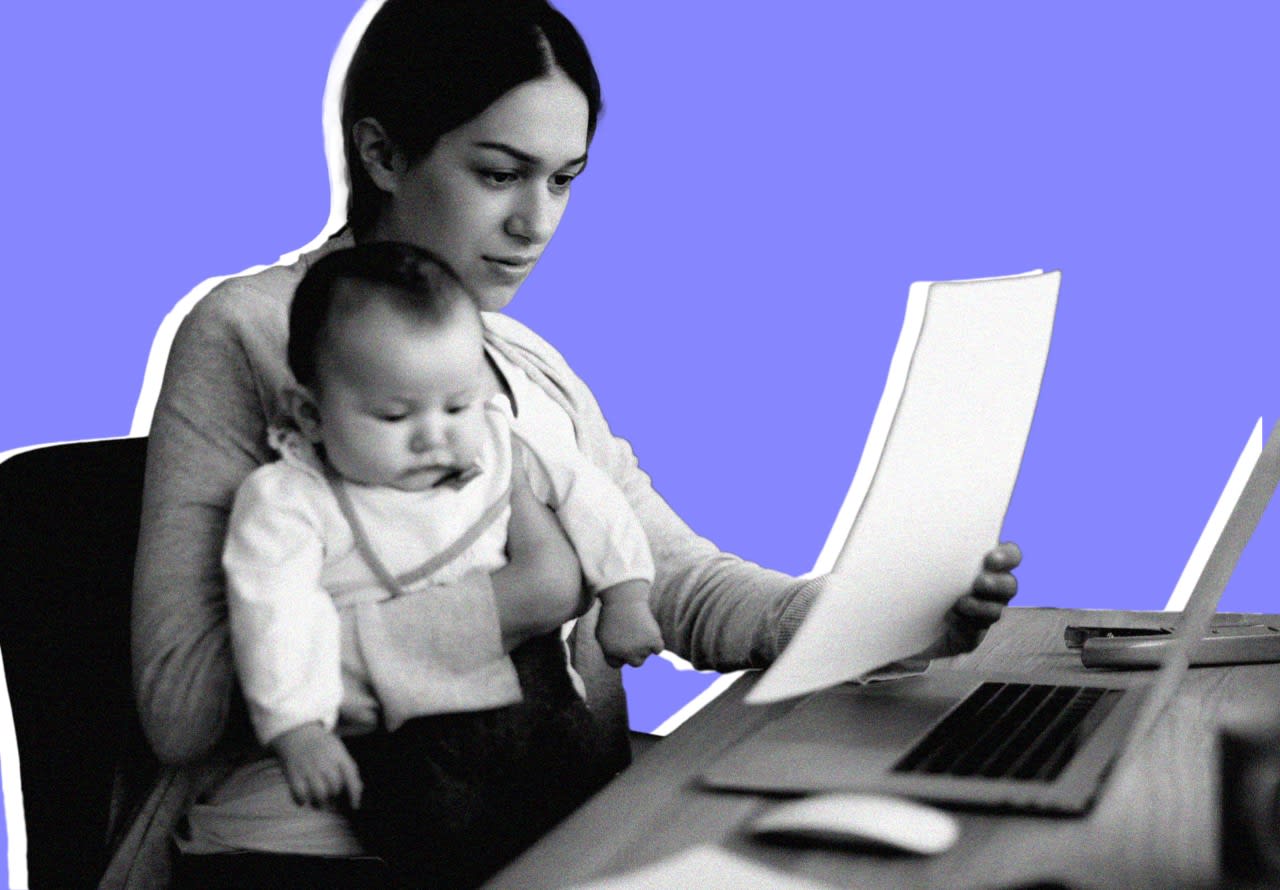
New parents often face the difficult choice between returning to the workforce or taking an extended leave to bond with their infant. This dilemma highlights the tension between career continuity and the desire to prioritize early childhood development.
The Dilemma of Postpartum Career Planning
The decision to step away from the workforce following the birth of a child is a profound life transition that carries significant weight for new parents. The sentiment expressed by those choosing to prioritize their baby’s first year over immediate professional obligations reflects a growing societal conversation regarding the value of parental presence during critical developmental stages.
The Developmental Importance of the First Year
From a psychological and developmental perspective, the first year of a child's life is considered a foundational period for attachment and bonding. Parents who express a desire to stay home often feel that missing milestones—such as a child's first steps, verbal cues, or emotional regulation development—is a cost they are unwilling to pay. This perspective aligns with pediatric experts who emphasize that consistent caregiver presence can foster a sense of security and trust in infants.
Economic and Professional Implications
Choosing to quit or take an extended sabbatical is not without its challenges. The professional landscape can shift rapidly, and taking a year off may lead to concerns regarding career momentum, potential loss of seniority, or the difficulty of re-entering a competitive job market. Professionals often worry about the 'resume gap' and whether employers will view a sabbatical for caregiving as a lack of commitment, despite the increasing normalization of parental leave in many sectors.
Long-term Financial and Personal Considerations
Beyond the immediate impact on a career, the decision to leave the workforce necessitates a thorough assessment of household finances. This includes evaluating the loss of a second income, the impact on long-term retirement savings, and the potential reduction in employer-sponsored benefits. Families must weigh these tangible financial losses against the intangible, yet highly valued, benefit of direct parental care.
The Evolving Workplace Culture
Historically, the expectation for new parents was a swift return to the office, but modern workplace trends are shifting toward more flexible models. Remote work, job sharing, and extended parental leave policies are becoming more common as companies recognize the importance of employee retention. For those who feel they cannot return to work immediately, it is essential to explore whether their current employer offers flexible options before opting for a full resignation.
Conclusion: Finding the Right Balance
Ultimately, the choice to stay home is deeply personal and depends on a family's unique financial situation, career goals, and personal values. Whether a parent chooses to return to work or take a hiatus, the focus remains on ensuring the well-being of the child and the sustainability of the family unit. There is no universally 'bad' idea, provided the decision is made with full awareness of both the short-term emotional rewards and the long-term professional consequences.
Verification Required?