Next generation of health care software won’t look like traditional EHRs
Source Entity
Latest News: Today's Latest News Headlines from India & World | Hindustan Times | Hindustan Times
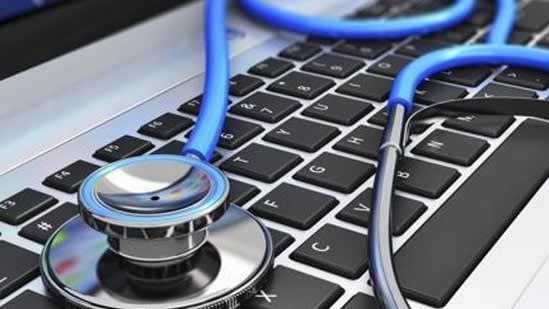
Electronic Health Records (EHRs) are shifting away from traditional, cumbersome storage-focused systems toward intuitive, patient-centered software. This evolution aims to reduce the administrative burden on clinicians who currently spend nearly half their day on data entry.
The Evolution of Clinical Documentation
For over twenty years, Electronic Health Records (EHRs) have served as the foundational infrastructure for global healthcare, effectively digitizing the legacy of paper-based medical charts. While these systems succeeded in improving data accessibility and serving as the primary repository for hospital and clinical operations, they have simultaneously birthed a significant crisis in clinical workflow efficiency. As noted by industry experts, the current EHR paradigm is increasingly viewed as a source of professional frustration rather than a tool for clinical empowerment.
The Administrative Burden Crisis
The fundamental promise of healthcare technology—to facilitate better patient outcomes by freeing up provider time—has been undermined by the design of current platforms. Modern EHRs are architected primarily for institutional requirements: storage, regulatory compliance, and complex medical billing. Consequently, the healthcare provider’s role has shifted from a patient-centric focus to one of data entry, where clinicians are forced to navigate cumbersome interfaces to satisfy administrative prerequisites.
Quantifying the Efficiency Gap
Research indicates a troubling reality: clinicians often spend nearly half of their daily working hours interacting with EHRs and ancillary administrative systems. This 'pajama time'—the hours spent documenting after patient interactions conclude—contributes to high rates of burnout and reduces the quality of the patient-provider relationship. In specialized environments like skilled nursing facilities, these inefficiencies are compounded by the need for high-frequency documentation, further straining the already limited time available for direct patient care.
The Shift Toward Intelligent Software
The next generation of healthcare software is projected to move away from these traditional, rigid EHR frameworks. Future iterations are expected to prioritize intuitive design and workflow integration, aiming to automate the data-capture process rather than forcing it upon the clinician. By leveraging modern software engineering principles, the industry hopes to return the focus to clinical decision-making and patient interaction.
Implications for Healthcare Infrastructure
This transition represents a critical inflection point for healthcare technology. Moving beyond 'systems of record' to 'systems of intelligence' will require a fundamental rethink of how medical data is ingested and utilized. For hospitals and clinics, this shift could mean higher staff retention and better operational efficiency, provided that the new software can successfully balance the dual needs of clinical care and institutional compliance.
Conclusion: A Patient-Centric Future
The move toward next-generation healthcare software is not merely a technological upgrade but a necessary evolution to preserve the human element of medicine. By reducing the administrative burden that currently consumes nearly 50% of a clinician's day, the industry can reclaim the time and attention of its most valuable resource: the healthcare worker. As we look toward the future, the success of these new systems will be measured by their ability to disappear into the background, allowing providers to focus on what matters most—the patient.
Verification Required?