US seeking 24-year jail term for Nikhil Gupta over alleged Pannun murder plot, defence wants 12 years
Source Entity
Latest News: Todays Latest News Headlines from India & World | Hindustan Times
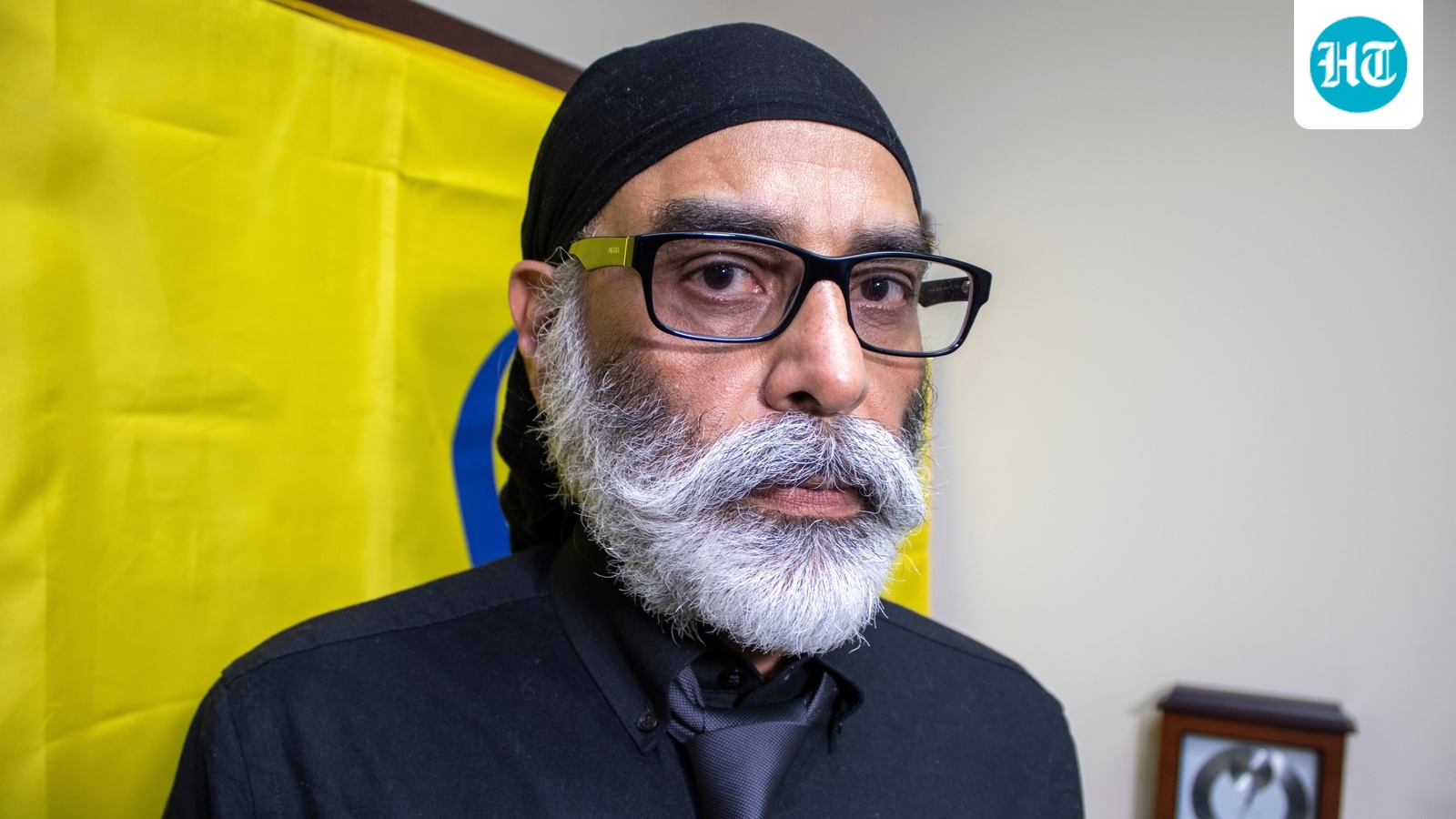
Nikhil Gupta, currently awaiting sentencing in the US for his role in an alleged plot to assassinate Gurpatwant Singh Pannun, has penned a remorseful letter claiming he acted alone. As prosecutors seek a 24-year sentence, a separate US court has permitted Pannun to attempt to serve summons to high-ranking Indian officials in a civil lawsuit.
The Legal and Diplomatic Fallout of the Pannun Assassination Plot
Gupta’s Remorse and the Question of Accountability
As the November 20 sentencing date approaches, Nikhil Gupta has submitted a letter to US District Judge Victor Marrero, expressing profound remorse for his involvement in the alleged plot to assassinate pro-Khalistan separatist Gurpatwant Singh Pannun. In his correspondence, Gupta characterizes his actions as the product of personal turmoil, substance abuse, and a severe lapse in judgment during early 2023. By claiming he acted alone, Gupta attempts to frame his participation as an isolated incident of psychological instability rather than part of a broader, state-sponsored operation.
The Disparity in Sentencing Recommendations
The legal battle centers on a stark contrast between the prosecution's demands and the defense's pleas. US federal prosecutors are pushing for a 293-month prison term—roughly 24 years—arguing for the gravity of a plot to commit a political assassination on American soil. Conversely, Gupta’s legal team is advocating for a 144-month sentence, or approximately 12 years, citing the Probation Department's recommendations. This sentencing phase is critical, as it serves as the final judicial chapter in a case that has significantly strained international relations.
The Civil Dimension and Legal Complexity
Beyond the criminal trial of Gupta, the situation has expanded into a complex civil litigation landscape. A recent US court order has granted Gurpatwant Singh Pannun—who was designated an 'individual terrorist' by India in 2020—the permission to attempt to serve summons on National Security Adviser Ajit Doval and former RAW chief Samant Goel. This development introduces a new layer of friction, as it forces a collision between US civil judicial processes and the diplomatic norms governing foreign officials.
Broader Geopolitical Implications
The Pannun case has become a focal point for US-India bilateral relations. While the criminal case against Gupta remains the primary point of contention, the civil lawsuit’s attempt to involve high-ranking Indian officials threatens to escalate the matter. The US government’s involvement, via the FBI’s investigation into the June 2023 plot, highlights the sensitivity of national security and sovereignty issues when intelligence operations are alleged to have occurred within the borders of a strategic partner.
Historical Context and Future Trends
Historically, the US and India have maintained a robust security partnership; however, the emergence of this alleged conspiracy has tested the limits of that cooperation. Future trends will likely hinge on how the Indian government responds to the service of summons and how the US judiciary navigates the balance between holding individuals accountable for criminal acts and respecting the diplomatic immunity of foreign officials. The outcome of Gupta's sentencing will likely set a precedent for how similar transnational legal disputes are handled in the future, potentially reshaping the intelligence and security cooperation frameworks between the two nations.
Multiple Citing Sources
Verification Required?