Bombay High Court permits Nitin Gadkari to sue Meta, Google, X over ethanol-linked deepfake posts
Source Entity
India Latest News: Top National Headlines Today & Breaking News | The Hindu
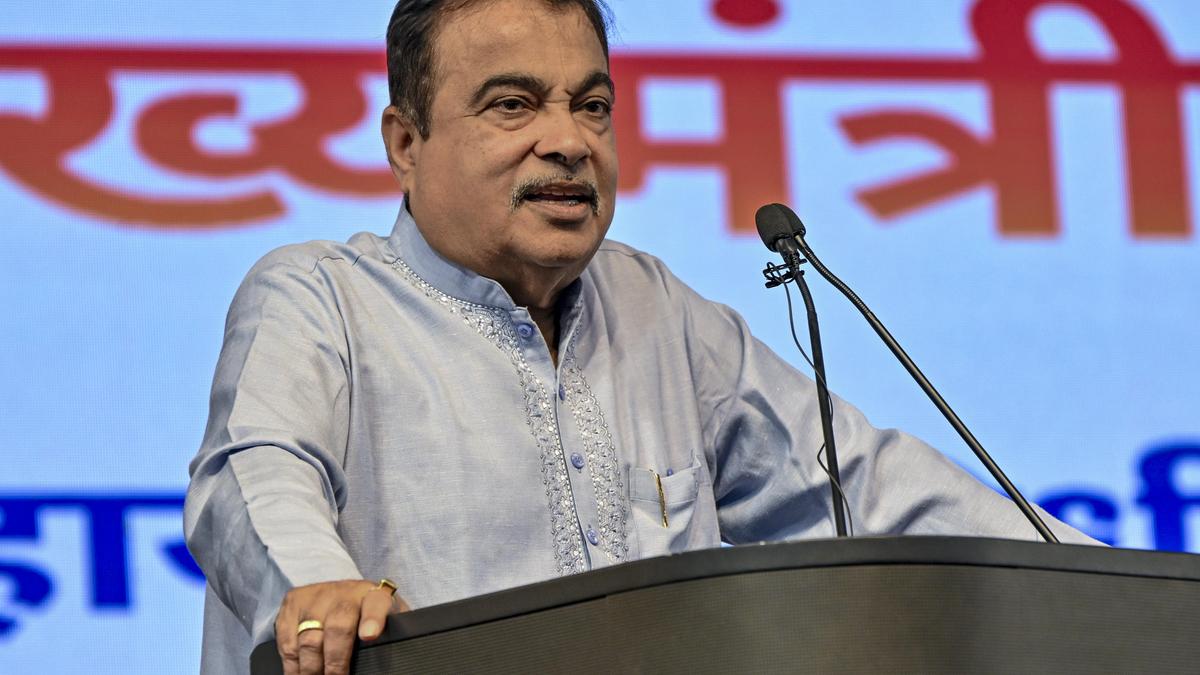
The Bombay High Court has granted Union Minister Nitin Gadkari permission to sue major tech platforms over defamatory deepfake content. The lawsuit addresses false claims linking him to the E20 ethanol policy, which he denies involvement in.
Legal Action Against Tech Giants Over Misinformation
The Bombay High Court, in a significant ruling on July 27, 2026, presided over by Justice Abhay Ahuja, has granted Union Minister for Road Transport and Highways, Nitin Gadkari, the legal standing to initiate a civil suit against major technology corporations including Meta, Google, and X. This development stems from the proliferation of defamatory social media content and deepfakes that falsely associate the Minister with the strategic decision-making process behind the Centre’s Ethanol Blending Programme (EBP), specifically the E20 policy.
Clarifying Policy Responsibility
Central to the Minister’s grievance is the public misrepresentation of his professional portfolio. Despite having served as the Union Minister for Road Transport and Highways since 2014, Mr. Gadkari has explicitly stated that he holds no administrative or policy-making role in the E20 ethanol initiatives. The persistence of these false narratives across digital platforms has necessitated a formal legal intervention to correct the public record and hold the hosting intermediaries accountable for the dissemination of such misinformation.
Procedural Hurdles and Legal Strategy
To proceed with this litigation, the Minister’s legal team filed a petition under Clause XII of the Letters Patent. This procedural step was essential because the cause of action for the suit technically originated outside the territorial jurisdiction of the Bombay High Court. By granting this leave, the court has cleared a major procedural hurdle, allowing the Minister to seek injunctive relief, which includes the mandatory removal of the contested content from the global internet infrastructure.
The Growing Threat of Deepfake Technology
This case highlights the broader, systemic challenge of deepfakes and AI-generated disinformation targeting public figures. The ease with which malicious actors can now manipulate video and audio to create convincing, yet entirely false, political narratives poses a significant risk to democratic stability. The reliance on platforms like Meta, Google, and X for information necessitates a more robust framework for content moderation, particularly when that content causes reputational damage or misleads the public on national policy.
Future Implications and Precedents
As the Minister considers approaching the Supreme Court to further bolster his legal recourse, the outcome of this case may set a critical precedent for how social media intermediaries are held liable for the content they host. If successful, this litigation could force tech giants to implement more stringent vetting processes for content involving political figures, potentially reshaping the digital landscape regarding political accountability and the regulation of AI-generated content in India.
Multiple Citing Sources
Verification Required?