E20 protest was a paid propaganda, says Nitin Gadkari
Source Entity
Dheeraj Mishra
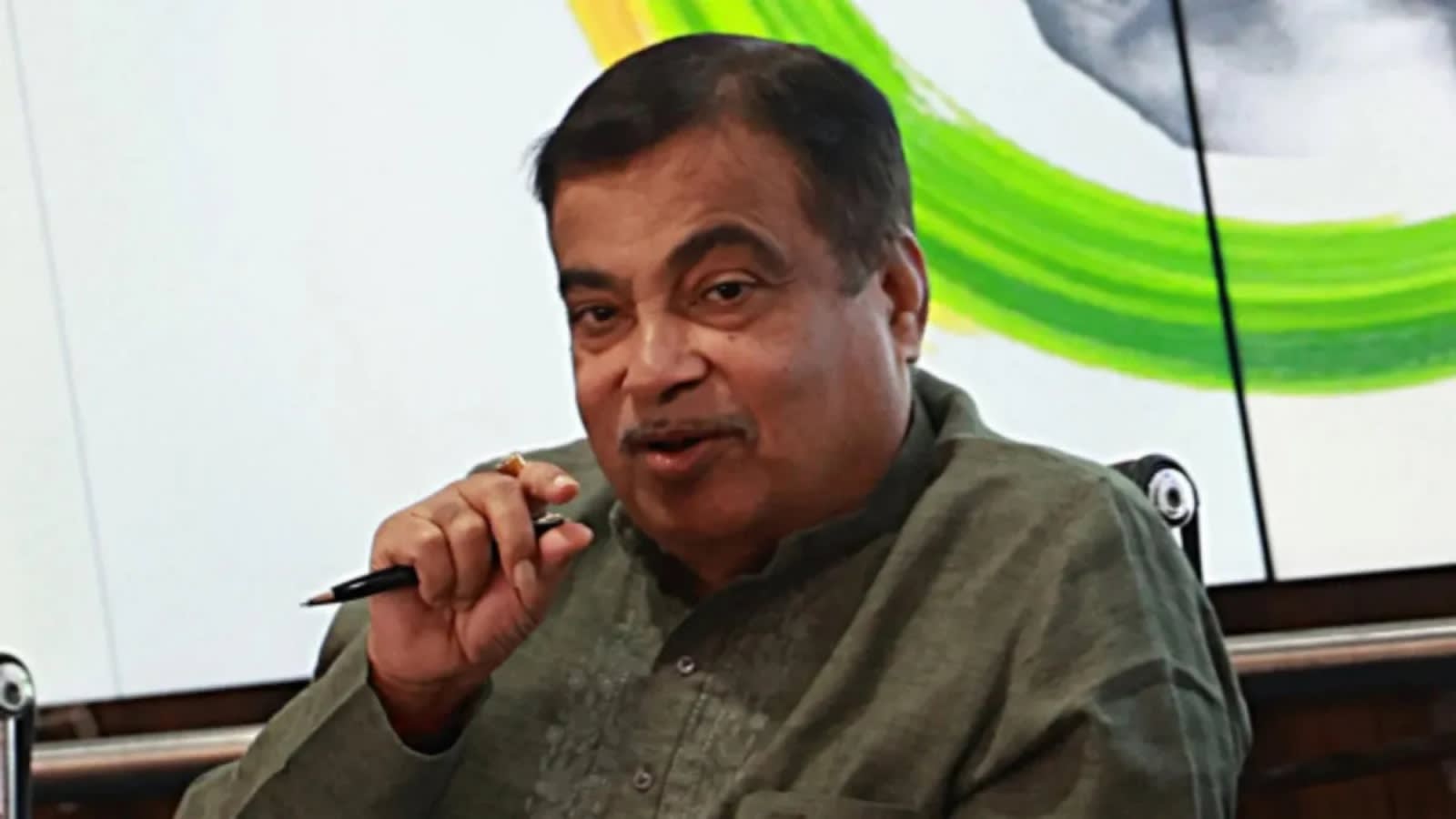
Minister Nitin Gadkari has dismissed recent protests against E20 ethanol-blended fuel as a paid propaganda campaign. He highlighted the successful, trouble-free operation of millions of vehicles on E20 since 2022 as evidence of the fuel's viability.
The Controversy Surrounding India’s Ethanol Mandate
Union Minister for Road Transport and Highways, Nitin Gadkari, has recently addressed the contentious discourse surrounding the government's ethanol-blending program. Specifically, he characterized the vocal opposition to the E20 fuel mandate—which involves blending 20% ethanol with petrol—as a "paid propaganda" campaign intended to stall India's transition toward sustainable energy. This statement comes at a pivotal moment, closely following the government's official notification of E100, or nearly pure ethanol, as an authorized automotive fuel.
Dissecting the Claim of 'Paid Propaganda'
Gadkari’s assertion rests on the operational track record of ethanol-blended fuels in India. According to the Minister, since 2022, approximately 4 crore cars and 20 crore two-wheelers have been running on E20 fuel without reported mechanical failures. By framing the earlier public "uproar" (halla) as a manufactured controversy that has since gone quiet, Gadkari is challenging the skepticism voiced by mileage-conscious motorists and various interest groups who have historically raised concerns regarding engine durability and fuel efficiency when utilizing higher ethanol concentrations.
The Strategic Shift to E100
The timing of these comments is significant, as the government is now expanding its horizon beyond E20 to include E100. The notification of E100 represents a major escalation in India’s efforts to reduce its heavy reliance on imported crude oil. By promoting domestic production of ethanol, as well as methanol, biodiesel, and liquefied natural gas (LNG), the Ministry aims to bolster energy security. This strategy is designed to transform the transportation sector into a consumer of indigenous agricultural byproducts, thereby creating a circular economy that benefits the farming sector.
Addressing Motorist Concerns and Industry Skepticism
Despite the government's optimism, the transition to ethanol-heavy fuels has faced resistance. Many Indian motorists, acutely sensitive to vehicle mileage and maintenance costs, have expressed fears that ethanol—which has a lower energy density than pure gasoline—could lead to increased consumption and potential corrosion in older vehicle fuel systems. Gadkari’s attempt to dismiss these concerns as "paid" suggests that the government views the friction not as a technical hurdle, but as a political or lobbying-driven obstacle aimed at protecting conventional fuel interests.
Future Trends in Indian Energy Policy
Looking ahead, the government's commitment to E100 and continued E20 integration signals a long-term shift in India's automotive landscape. As the infrastructure for alternative fuels expands, the industry will likely see a push toward engines optimized for higher ethanol percentages. The success of this policy will depend heavily on whether the government can maintain public trust and effectively demonstrate the long-term reliability of these fuels, thereby neutralizing the skepticism that Gadkari has labeled as organized propaganda.
Multiple Citing Sources